Punta Cana Luxury Real Estate: The 2026 Guide for International Buyers and Investors

punta-cana-real-estate-invest

Dominican Republic · Investment Guide

Emerging-market growth with developed-market protections, dollar-denominated pricing, and a tax regime built to reward foreign capital — why Punta Cana now belongs in the global luxury conversation.


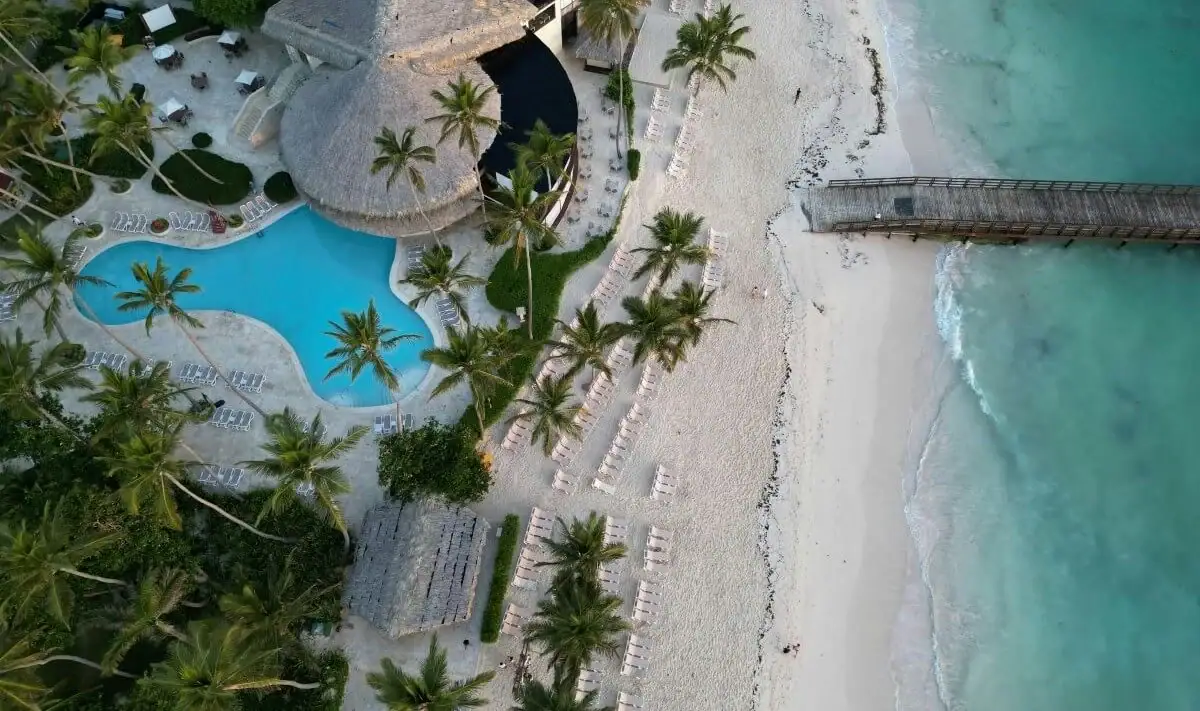
Punta Cana has quietly become one of the most compelling luxury property markets in the Western Hemisphere. What began as a string of all-inclusive resorts on the eastern tip of the Dominican Republic has matured into a destination for serious capital: master-planned gated communities, branded residences carrying names like St. Regis, Jack Nicklaus signature golf, deep-water marinas built for 150-foot yachts, and a tax regime engineered to reward foreign investment. For the international buyer weighing a second home, a dollar-generating rental asset, or a long-term store of value in the Caribbean, Punta Cana now belongs in the same conversation as the more established luxury markets — often at a fraction of their entry price.

This guide is written for that buyer. It maps where luxury actually lives in Punta Cana, explains what your budget buys, and walks through the investment case, the tax advantages, and the mechanics of purchasing as a foreigner. It reflects the market as it stands in 2026.

Why Punta Cana, and Why Now

The case for Punta Cana starts with the macro picture of the Dominican Republic itself, which is among the strongest in the region. The country attracted record foreign direct investment of roughly USD 5 billion in 2025 — its fourth consecutive annual record — while GDP growth for 2026 is projected in the 4.5% to 4.8% range and inflation has settled near 3.7%. The Dominican peso has remained comparatively stable, and crucially for foreign buyers, the legal framework treats them as equals: under Law 16-95, foreigners enjoy the same property ownership rights as Dominican citizens, with no special permits, no caps on how much you can own, and no restrictions on repatriating proceeds.

Layered on top of those fundamentals is tourism, and here Punta Cana is in a class of its own. The region receives the large majority of the country’s international arrivals through Punta Cana International Airport — the busiest in the Caribbean — and offers more than thirty miles of white-sand coastline. That tourism engine does something specific for real estate: it underwrites year-round rental demand, supports professional property management infrastructure, and gives owners a liquid exit, because the same flow of international visitors that fills the resorts also produces a steady stream of prospective buyers.

For an international investor, the combination is unusual: emerging-market growth rates paired with developed-market legal protections, dollar-denominated pricing in the luxury tier, and a government that has spent two decades actively courting foreign capital rather than deterring it.

The Luxury Map of Punta Cana

“Punta Cana” is best understood as an umbrella covering a cluster of distinct communities, each with its own character, price ceiling, and buyer profile. Understanding this geography is the single most important step in buying well, because the name on the gate often matters more to value than the square footage inside it.

Cap Cana

Cap Cana is the apex of the market and the natural starting point for any luxury search. A private, master-planned community spanning more than 30,000 acres just minutes from the airport, it has become the benchmark for high-end living in the Caribbean. Its appeal rests on genuine infrastructure rather than marketing: a world-class marina, a top-ranked golf course, private beaches, and a roster of branded hotels and residences. The price spectrum is wide — stylish marina apartments begin around USD 300,000, while the most palatial oceanfront and golf estates trade well above USD 20 million — which lets a buyer enter at one level and scale within the same community over time. Because Cap Cana concentrates the most desirable inventory in the region, it is where we focus the depth of this guide below.

Bávaro, Los Corales, and Punta Cana Resort & Club

West and north of Cap Cana lies the original heart of Punta Cana tourism. Punta Cana Resort & Club and the surrounding Corales and Bávaro areas offer beachfront villas and condominiums with established rental track records, walkable proximity to restaurants and beach clubs, and a more energetic, resort-adjacent atmosphere. Corales in particular is home to some of the area’s most coveted oceanfront estates. For buyers who prioritize turnkey rental performance and an active social scene over the cloistered privacy of Cap Cana, this corridor is compelling.

Vista Cana and the Emerging Inland Communities

Slightly inland, newer master-planned developments such as Vista Cana have created a more accessible luxury tier — contemporary villas and condos built around lakes, beach clubs, and amenity districts, frequently structured within government-approved tourism projects that carry significant tax benefits. These communities appeal to buyers seeking new construction, strong appreciation potential, and a lower entry point than the beachfront enclaves.

Casa de Campo and La Romana

Roughly an hour west sits Casa de Campo, the Caribbean’s grande dame of luxury resort living, with its famous Teeth of the Dog golf course and a long-established community of villa owners. While technically outside Punta Cana proper, it is part of the same buyer’s consideration set and worth understanding as a comparison point — generally older, more traditional, and with a distinct ultra-private clientele.

Inside Cap Cana: The Centerpiece of the Luxury Market

Because Cap Cana drives so much of the high-end activity, it rewards a closer look. The community is best understood as two lifestyles served by two property types.

The Marina Lifestyle

Marina Cap Cana is the social and commercial nucleus — a full-service harbor with more than 150 slips capable of berthing yachts up to 150 feet, ringed by fine dining, boutiques, and a constant flow of international visitors. The property type here is the contemporary luxury condominium: water-view residences, many with direct boat-slip access, offering a low-maintenance, turnkey, high-energy way to own in Cap Cana. For buyers who want lock-up-and-leave convenience and strong short-term rental potential, marina condominiums are the obvious entry.

The Golf Lifestyle

Surrounding the Punta Espada Golf Club — a Jack Nicklaus signature course consistently ranked the finest in the Caribbean — the atmosphere shifts to privacy and tranquility. This is villa territory: grand single-family estates and custom homes, most with private pools and gardens opening directly onto the fairways, set on generous lots within gated security. These properties attract buyers seeking a quieter, more residential rhythm of life, and they represent the bulk of the eight-figure inventory.

Beaches and Branded Residences

Cap Cana’s coastline anchors the top of the market. Juanillo Beach, with its calm turquoise water and private clubs, and the more laid-back Api Beach define the beachfront tier, where ultra-luxury estates command the highest prices in the region. The arrival of branded residences — the St. Regis at Cap Cana, alongside established names such as Eden Roc — has added a further layer of prestige and, importantly, professional hospitality-grade management that appeals to investors who want hands-off rental operations under a globally recognized flag.

The Named Enclaves

Within Cap Cana, value increasingly attaches to specific sub-developments — Las Iguanas, Golden Bear Lodge, the Marina district, and Las Palmas among them. For the discerning buyer, knowing these names is not trivia; it is how you read the market. A villa’s enclave, its position relative to the golf course or the water, and the reputation of its developer will frequently move price more than raw size, and the most knowledgeable buyers shop by enclave first.

What Your Budget Buys in 2026

Luxury is a spectrum, and Punta Cana accommodates a remarkably broad one. The following bands are a practical orientation rather than a rigid rule, and pricing moves with view, position, and finish.

At the entry to the luxury tier — roughly USD 300,000 to USD 700,000 — buyers find contemporary marina or beach-adjacent condominiums, often in newer developments with resort-style amenities and frequently inside tax-advantaged tourism projects. These are the workhorses of the rental market and the most liquid assets in the region.

Between approximately USD 1 million and USD 3 million, the market opens into substantial villas: three to five bedrooms, private pools, golf or partial ocean views, and the kind of architecture and finishes that international buyers expect. This band represents the sweet spot for buyers seeking a genuine luxury home that still performs as a rental.

Above USD 3 million and climbing past USD 20 million sit the trophy assets — oceanfront and prime golf-course estates of five, seven, even eleven bedrooms, set on lots of several thousand square meters, with bespoke design, extensive grounds, and the privacy and security that define Cap Cana’s most exclusive addresses. This is where the region competes directly with the established global luxury markets, and where the value proposition relative to comparable homes in Miami, the south of France, or the more mature Caribbean islands is most striking.

The Investment Case

For many international buyers, the lifestyle is the entry point but the investment thesis is what closes the decision. Three pillars support that thesis.

The first is income. Punta Cana’s tourism volume sustains genuine year-round rental demand, and luxury villas and well-located condominiums can generate meaningful short-term rental yields, particularly during the high season. Professional management — including hospitality-grade operations attached to branded residences — makes it realistic to own remotely and still run the asset as a business.

The second is appreciation. Sustained foreign direct investment, continuous infrastructure development, and the steady upmarket migration of the destination have supported long-term capital growth, with the most desirable communities and the scarcest beachfront positions appreciating most reliably.

The third, and most distinctive, is the currency and tax structure. Luxury pricing is denominated in US dollars, insulating international buyers from peso volatility, and the tax regime — addressed in detail below — can materially lift net returns relative to comparable assets elsewhere in the Caribbean. Taken together, these pillars make Punta Cana not merely a place to own a beautiful home, but a rational allocation within an internationally diversified portfolio.

A word of discipline is warranted. Tax incentives and tourism statistics do not, on their own, make any individual property a good investment. Location within the community, the developer’s track record, the quality of construction, the realism of projected rental figures, and the strength of the title all matter enormously. The investment case for Punta Cana is strong; the case for a specific property must always be made on its own merits.

CONFOTUR: The Tax Advantage That Defines the Market

No discussion of Punta Cana luxury real estate is complete without CONFOTUR, the single most important fiscal feature of the market and one of the strongest investor incentives available anywhere in the Caribbean.

Enacted in 2001 as Law 158-01, the Tourism Incentives Law (administered through the body known as CONFOTUR) grants generous, government-backed tax exemptions to qualifying tourism-related real estate projects. For a buyer purchasing in an approved project, the headline benefits are substantial. There is a full waiver of the property transfer tax, which would otherwise run at 3% of the purchase price and is paid at registration — a direct, immediate saving that on a luxury purchase can reach six figures. And there is an exemption from the annual property tax (known as IPI, normally levied at 1% per year on value above a threshold of roughly USD 166,000) for up to 15 years.

Two features make CONFOTUR especially powerful for the luxury and investment buyer. First, the exemption attaches to the property rather than only to the first purchaser, which means that when structured correctly the remaining years of the tax holiday can transfer to a future buyer. In practice this has made CONFOTUR-certified resales among the most liquid and sought-after assets on the island, because the next owner inherits years of tax-free ownership. Second, qualifying investments can support applications under the country’s investor residency programs, adding a mobility dimension to the financial one.

The mechanics reward professional guidance. The exemption applies only to officially approved projects, so verifying a development’s CONFOTUR status is an essential due-diligence step. And because the way title is held — individually versus through a local company structure — affects whether and how benefits carry to a future buyer, structuring the purchase correctly from the outset is something to plan with qualified local counsel rather than discover at resale.

Buying as a Foreigner: The Process

One of Punta Cana’s underappreciated strengths is how straightforward the purchase process is for international buyers, particularly compared with markets that restrict or complicate foreign ownership.

The legal foundation is Law 16-95, under which foreigners hold the same ownership rights as nationals. There is no residency requirement to buy, no government approval needed, and no ceiling on foreign holdings. Ownership is registered through the Dominican title system, and a clean, properly registered Certificado de Título (Title Certificate) is the bedrock of a secure purchase.

A typical transaction follows a recognizable arc. After identifying a property and agreeing terms, the parties sign a promise of sale and the buyer places a deposit, commonly around 10%. The single most important step then follows: engaging an independent Dominican real estate attorney to conduct full due diligence — confirming the title is clean and properly registered, checking for liens or encumbrances, verifying that the seller has the legal right to transfer, and, in a new development, confirming the developer’s permits and CONFOTUR status. This step should never be skipped to save money. Once due diligence clears, the final deed of sale is executed before a notary, the balance is paid, the applicable taxes (or exemptions) are processed, and the title is transferred and registered in the buyer’s name.

Many international investors choose to hold Dominican property through a local company structure (an S.R.L., the Dominican limited liability company) rather than in their personal name. Done for legitimate planning reasons, this can simplify eventual resale and, in the CONFOTUR context, help preserve the transfer of tax benefits to a future buyer. Whether it is right for any given purchase depends on the buyer’s circumstances and should be decided with professional advice.

Buyers planning to spend significant time in the country, or to relocate, should also be aware of the residency pathways available — including programs aimed at retirees and pensioners under Law 171-07, and investor residency tied to qualifying property purchases. For many luxury buyers, the ability to convert a real estate decision into a residency option is a meaningful part of the appeal.

Costs, Ongoing Ownership, and Due Diligence

Beyond the purchase price, a prudent buyer budgets for closing costs, which typically include the 3% transfer tax (waived under CONFOTUR), legal fees generally in the range of 1% to 1.5%, and assorted notary and registration costs. Ongoing ownership in the premier gated communities carries homeowners’ association and community fees that fund the security, landscaping, and amenities that underpin the lifestyle — these are a feature, not a flaw, but they should be understood and factored into any rental yield calculation.

Due diligence, finally, is where good outcomes are made. The essentials bear repeating: verify the title independently; confirm CONFOTUR approval where it is claimed; assess the developer’s track record and the realism of any rental projections; understand the specific position of the property within its community; and engage your own attorney rather than relying solely on the seller’s representatives. In a market moving as quickly as Punta Cana’s, the discipline to do this well is what separates a sound acquisition from an expensive lesson.

Why Buy Through ClubProperty

Punta Cana’s opportunity is real, but it sits within an unfamiliar jurisdiction, in a market where the name on the gate, the enclave within the community, and the tax status of the project all move value in ways that are not obvious from a listing photograph. That is precisely the gap ClubProperty was built to close.

Operating from a base in Switzerland, ClubProperty connects international capital with investment-grade residential and resort assets across global markets, bringing a cross-border, data-driven discipline to a market that too often runs on glossy brochures. Our platform pairs curated Punta Cana inventory — including the Cap Cana villas and estates at the top of the market — with the tools serious buyers actually need: investment and yield analysis, verified information, secure documentation, and access to a vetted network of local specialists who understand title, structuring, and CONFOTUR from the inside. We approach a Caribbean villa the way an institution approaches any asset: on the evidence.

If you are considering Punta Cana for a second home, a dollar-generating rental, or a long-term allocation, we can help you evaluate the opportunity with clarity — and acquire with confidence.

Explore Punta Cana Listings Contact Our Team

This article is provided for general information and does not constitute legal, tax, or investment advice. Tax incentives, thresholds, and property laws change, and their application depends on individual circumstances. Always engage a qualified Dominican attorney and a tax professional before committing to a purchase.

SHARE THIS PAGE

Reset password

Enter your email address and we will send you a link to change your password.

Create an Account

I agree to the Terms of Use and Privacy Policy