





Integrating living room-style furniture into culinary spaces is redefining high-end residential design. Recent design commentary highlights how introducing soft seating transforms utilitarian rooms into functional, multi-generational living hubs.
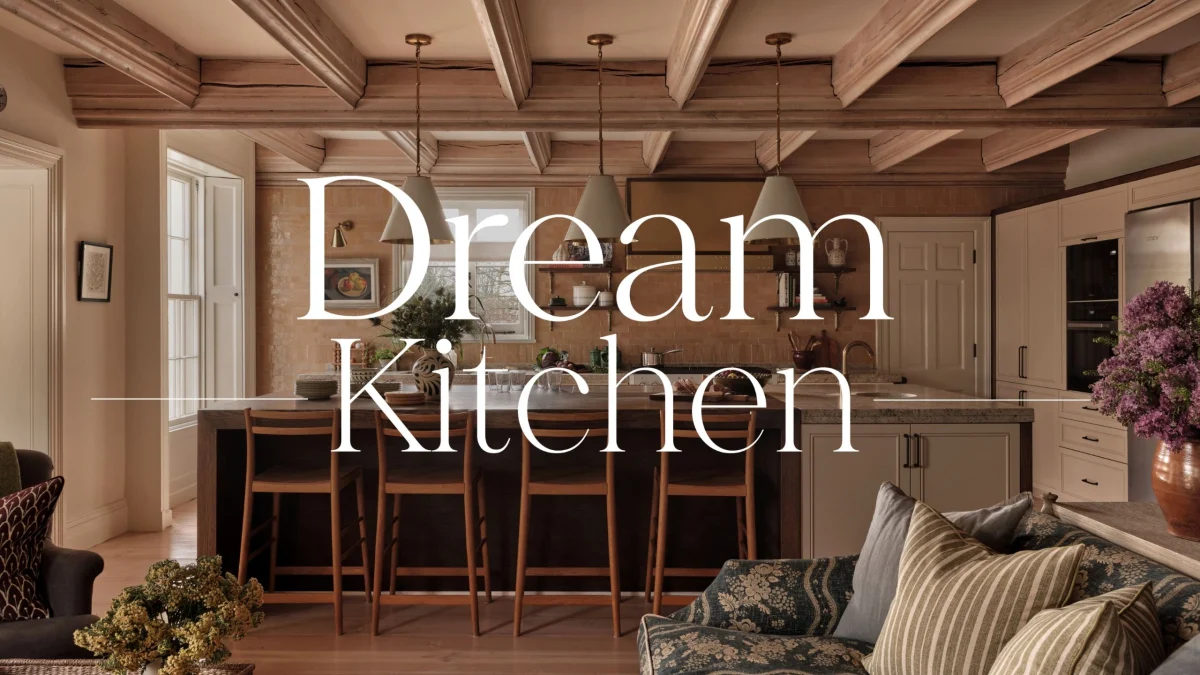
The Shift Toward Habitable Kitchens
For decades, kitchen design prioritised hard surfaces, clinical hygiene, and strict ergonomic efficiency. Modern high-end residential architecture, however, favors spaces designed for prolonged habitation. As reported in recent design media, incorporating upholstered armchairs, low-slung club chairs, or compact velvet sofas into the kitchen footprint alters the room’s psychological gravity.
Rather than a zone solely dedicated to food preparation, the kitchen reverts to its historical status as the primary hearth of the home. This layout adjustment requires careful spatial planning to ensure soft furnishings remain safely distanced from heat and moisture sources while still anchoring a conversational zone.
Material Authenticity and Craftsmanship
Achieving an authentic English country aesthetic relies heavily on unpretentious, tactile materials that patina gracefully over time. Painted or natural timber cabinetry, honed natural stone worktops, and unlacquered brass hardware form a durable foundation that withstands heavy daily use.
When introducing living room furniture into this environment, craftsmanship matters immensely. Frames constructed from solid hardwood with traditional joinery ensure longevity. Upholstery fabrics—such as heavy linens, patterned wools, or durable cotton chintzes—should be treated with modern stain-resistant technologies without sacrificing their organic hand-feel.
Palette, Light, and Pattern Integration
The color palette of a successful country-style kitchen steers away from stark minimalism in favor of grounded, atmospheric hues. Muted olive greens, chalky terracottas, and warm off-whites interact favorably with natural daylight shifting across the room throughout the day.
Layering patterns through textiles—such as block-printed cushions, striped runners, or patterned upholstery—introduces visual depth. To maintain sophistication rather than clutter, limit patterns to movable elements like soft seating, allowing owners to update textiles seasonally without undertaking costly structural renovations.
Enduring Value Versus Transient Trends
Buyers in the premium property market increasingly scrutinize kitchens for flexibility. While high-end built-in appliances and stone islands remain baseline expectations, rigid layouts can limit a property’s appeal if lifestyles shift.
Freestanding living room seating offers modular adaptability. If a future owner prefers a dining table or a home office nook, the space accommodates it without requiring a gut renovation. Investing in quality cabinetry and versatile floor plans protects capital value far better than hyper-specific stylistic choices that date quickly.
- Incorporate upholstered armchairs or small sofas to transform the kitchen into a comfortable gathering space.
- Select tactile, durable materials like unlacquered brass and natural timber that improve with age.
- Use movable soft furnishings and textiles to introduce pattern and color without committing to permanent structural changes.
- Prioritize freestanding or adaptable furniture layouts to maintain flexibility for future property buyers.
- Balance task lighting with warm, ambient sources to support both cooking and relaxing activities.
In the upper tiers of the residential property market, the kitchen functions as a primary emotional selling point. Properties that successfully blend utilitarian efficiency with domestic comfort command stronger interest from international buyers seeking turnkey country estates. Rigidly clinical or overly trendy kitchen designs often require immediate discounting to account for expected renovation costs. Conversely, timeless joinery paired with adaptable living spaces signals high construction standards and long-term utility, protecting the asset's valuation across changing market cycles.
Related reads
Inside an English Country Kitchen That Proves Living Room-Style Seating Is the Secret to a Cozier Cooking Space (Homes and Gardens, 3 Nov 2026)
25 Beautiful Kitchen Ideas to Inspire Your Next Remodel (ELLE Decor, 8 Sep 2026)
66 White Kitchen Ideas That Are Anything But Vanilla (HGTV, 8 Oct 2026)
7 Secrets From British Designers That Make Any Home Feel English-Countryside Cozy (Yahoo, 29 Sep 2026)
31 Boho-Style Kitchen Ideas That Bring Color, Texture, and Character Into Your Space for a Cozy, Lived-In Look (The Spruce, 9 Oct 2026)
Sources & credits
- Feature: Inside an English Country Kitchen That Proves Living Room-Style Seating Is the Secret to a Cozier Cooking Space — Homes & Gardens. Linked, not reproduced.
- Main image: Homes & Gardens, from the original feature linked above; all rights remain with the publisher and photographer.
- Headlines via Google News RSS; content belongs to the linked publishers.
Videos are embedded from their original YouTube channels and remain the property of their publishers; ClubProperty hosts no third-party footage or photography. Prices and details are as reported by the sources linked above at the time of writing. Nothing here is financial advice.
Relaterede artikler
The Architecture of Festive Kitchens: Styling Versus Substance
Explore how to layer seasonal kitchen decor without compromising permanent architectural finishes, balancing transient…
Læs mereThe Architecture of Assembly: Curating Living Room Seating
Move beyond matching suites. Explore how interior designers curate mixed living room seating for…
Læs mereThe Return of Dark Wood in High-End Living Rooms
Explore how dark timber furniture brings architectural depth and enduring character to premium living…
Læs mereThe End of Minimalism: Inside the Anti-Trend Kitchen
Explore how warm wood, stone, and copper create a timeless, high-value kitchen interior that…
Læs mere