Instantaneous digital visualisation tools have transformed the initial phase of interior design, placing millions of permutations at an owner's fingertips in seconds. Yet this unprecedented abundance of choice frequently induces decision fatigue, often leading to over-designed spaces that lack architectural coherence.
The Illusion of Infinite Iteration
Interior design has historically been a slow, deliberate exercise in curation, constrained by physical samples, lead times, and spatial realities. Contemporary digital platforms and artificial intelligence generators now allow homeowners to test hundreds of layouts, colour palettes, and finishes before lunch. While this accelerates early-stage conceptualisation, it can distort the design process.
When every wall can be recoloured and every floor finish swapped with a keystroke, commitment wanes. Property owners frequently find themselves trapped in perpetual refinement, cycling through micro-trends rather than establishing a foundational design language. This digital fatigue often manifests physically as disjointed rooms where individual elements fight for attention rather than contributing to a unified envelope.
Materiality as an Anchor
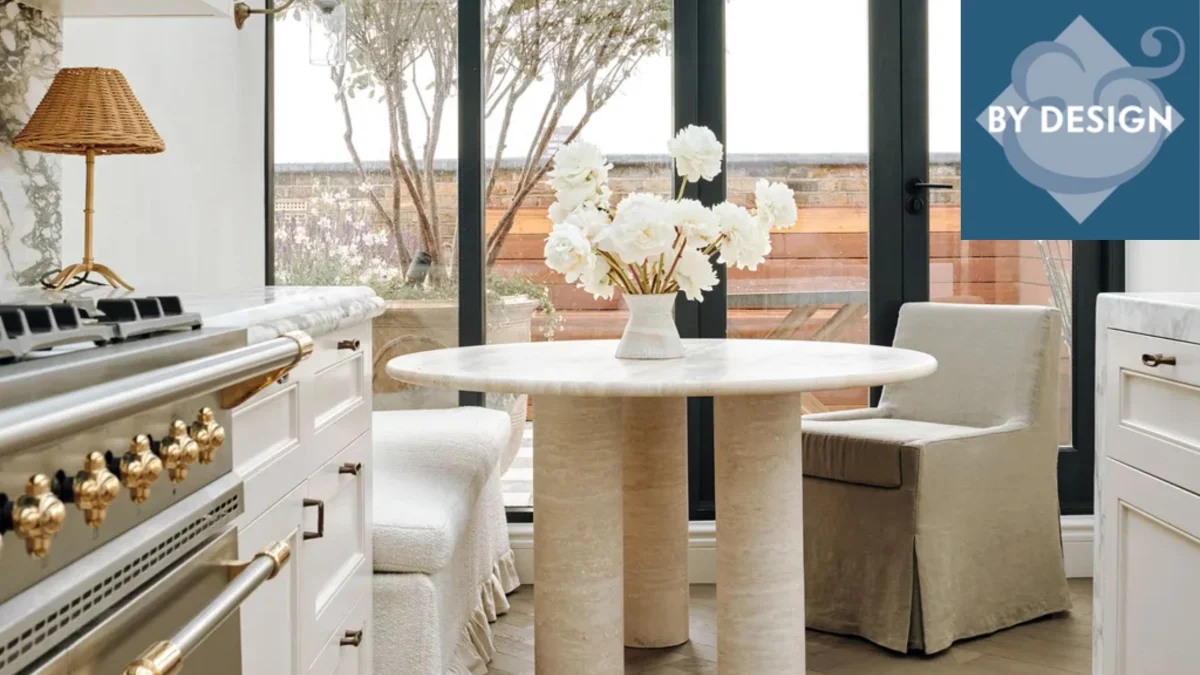
To counter the ephemeral nature of digital renders, successful interior architecture relies on authentic, tactile materials that age with grace. Natural stone, unlacquered brass, solid timber, and lime-based plasters possess inherent variations that digital screens struggle to replicate accurately. These materials ground a room, providing a permanent backdrop that survives shifting stylistic preferences.
Investing in foundational fabric—such as engineered parquet, solid joinery, and architectural hardware—yields a higher return than decorative layers. When a property’s base palette is neutral and rooted in quality craftsmanship, subsequent updates require only soft furnishings and art, protecting the owner from costly, full-scale renovations every five years.
The Discipline of the Edited Interior
The primary challenge in modern interior design is not finding elements to add, but knowing when to stop. Endless options encourage maximalist accumulation, but premium properties derive their elegance from spatial volume and negative space. A well-edited room allows specific architectural details or statement furniture pieces to breathe.
At different budget levels, the principle of editing remains the same. A modest apartment benefits from clearing visual clutter and investing in one well-proportioned dining table rather than filling every corner with disparate retail pieces. In larger residences, restraint prevents cavernous spaces from feeling clinical while maintaining a sense of calm sophistication.
Distinguishing Fashion from Resale Value
Prospective buyers are increasingly adept at spotting design interventions driven by social media algorithms rather than timeless quality. Highly specific color blocking, trendy tile geometries, and integrated neon lighting may generate strong engagement online, but they often necessitate immediate remediation upon acquisition.
Conversely, elements that improve spatial flow, maximize natural light, and incorporate robust, serviceable joinery consistently preserve capital. Designing with resale in mind requires separating personal hobbies or temporary lifestyle phases from structural utility. A flexible floor plan and enduring finishes always outperform hyper-specific thematic decor.
- Prioritise foundational materials like natural stone and solid timber over trendy surface finishes.
- Use digital design tools for rough spatial planning rather than micro-decisions.
- Invest in bespoke joinery that maximises storage and architectural clean lines.
- Maintain negative space to let high-end focal points stand out.
- Evaluate every major design choice against its appeal to a future buyer.
For the international property investor, interior style directly impacts liquidity and yield. Properties finished in hyper-current, algorithm-driven aesthetics often experience a narrower buyer pool and longer days on market, as incoming owners factor in the cost of stripping out dated trends. A restrained, quality-led interior acts as a financial hedge; high-grade flooring, architectural lighting, and neutral stone cladding require zero modification, allowing a property to command top-tier rental or resale figures immediately upon listing.
Sources & credits
- Feature: AI Can Reimagine Any Room in Seconds – But Is Endless Choice Leading to Design Fatigue? — Homes & Gardens. Linked, not reproduced.
- Main image: Homes & Gardens, from the original feature linked above; all rights remain with the publisher and photographer.
Videos are embedded from their original YouTube channels and remain the property of their publishers; ClubProperty hosts no third-party footage or photography. Prices and details are as reported by the sources linked above at the time of writing. Nothing here is financial advice.
Verwandte Artikel
Evaluating the US Housing Market Through Regional Rankings
An analysis of the Architectural Digest 2026-2027 index for the US, examining how lifestyle…
WeiterlesenTimeless Design Choices from Mexico City’s Book‑Lined Bar
How material, light and layout in Em‑Estudio’s basement bar create lasting value and ideas…
WeiterlesenThe Architecture of Color: How to Use Bold Hues with Discipline
Master the application of saturated tones in premium interiors with strategic material pairing, lighting…
WeiterlesenIlluminating the Threshold: Exterior Lighting Design and Value
Explore how intentional exterior lighting design enhances residential appeal, balances atmosphere, and protects long-term…
Weiterlesen