As ecological imperatives reshape the built environment, high-end residential design is increasingly defined by the reinvention of existing structures rather than ground-up construction. A recent survey of contemporary projects highlights how material improvement and adaptive reuse have become the ultimate standard for architectural luxury.
The Philosophy of Transformation
As noted in recent architectural commentary, the core discipline of modern design lies in transformation rather than invention. Referencing the perspective of Portuguese architect Álvaro Siza, architects do not invent from a blank slate; instead, they alter and elevate existing conditions. In the premium residential sector, this approach values historical context, structural heritage, and the intricate challenge of layering contemporary living requirements into older footprints.
For high-net-worth buyers, this philosophy translates into properties with layered narratives. Rather than sterile new-build volumes, restructured townhouses, historic villas, and converted industrial spaces offer a distinct sense of place and permanence that cannot be easily replicated by modern construction.
Material Authenticity and Sustainability
The pivot toward renovation is driven equally by environmental realities and aesthetic preferences. Preserving the embodied carbon of an existing structure while upgrading its thermal performance, mechanical systems, and spatial flow represents a sophisticated approach to sustainable architecture.
Discerning buyers increasingly scrutinise the provenance of building materials. High-end renovations typically focus on restoring original masonry, timber framing, and stone flooring, supplementing them with high-performance glazing and discreet, energy-efficient climate control infrastructure.
Market Appeal and Asset Value
In prime global property markets, meticulously executed renovations often command a significant premium over comparable new builds. Prime locations in established urban centres or coveted rural enclaves rarely offer vacant land, making architectural reinvention the primary vehicle for acquiring bespoke residential assets.
Buyers in the upper quartile of the market view these projects not merely as lifestyle statements, but as resilient stores of value. Integrating contemporary spatial fluidity with architectural heritage creates a rare product category that satisfies both emotional and financial investment criteria.
- Prioritise properties that leverage adaptive reuse to combine historic character with modern engineering.
- Evaluate the embodied carbon and material pedigree of an existing structure before committing to a major overhaul.
- Incorporate high-performance insulation and discreet HVAC systems without compromising original architectural details.
- Recognise that meticulously renovated properties in prime locations frequently outperform standard new builds in long-term liquidity.
The market for premium renovated properties demonstrates strong resilience, particularly in supply-constrained urban and resort locations where new construction is heavily restricted. Properties that successfully marry architectural heritage with state-of-the-art sustainability standards tend to attract higher liquidity and robust capital appreciation. For international investors, acquiring a well-executed renovation mitigates planning risks associated with greenfield sites while delivering the bespoke finishes expected at the top tier of the global marketplace.
Lecturas relacionadas
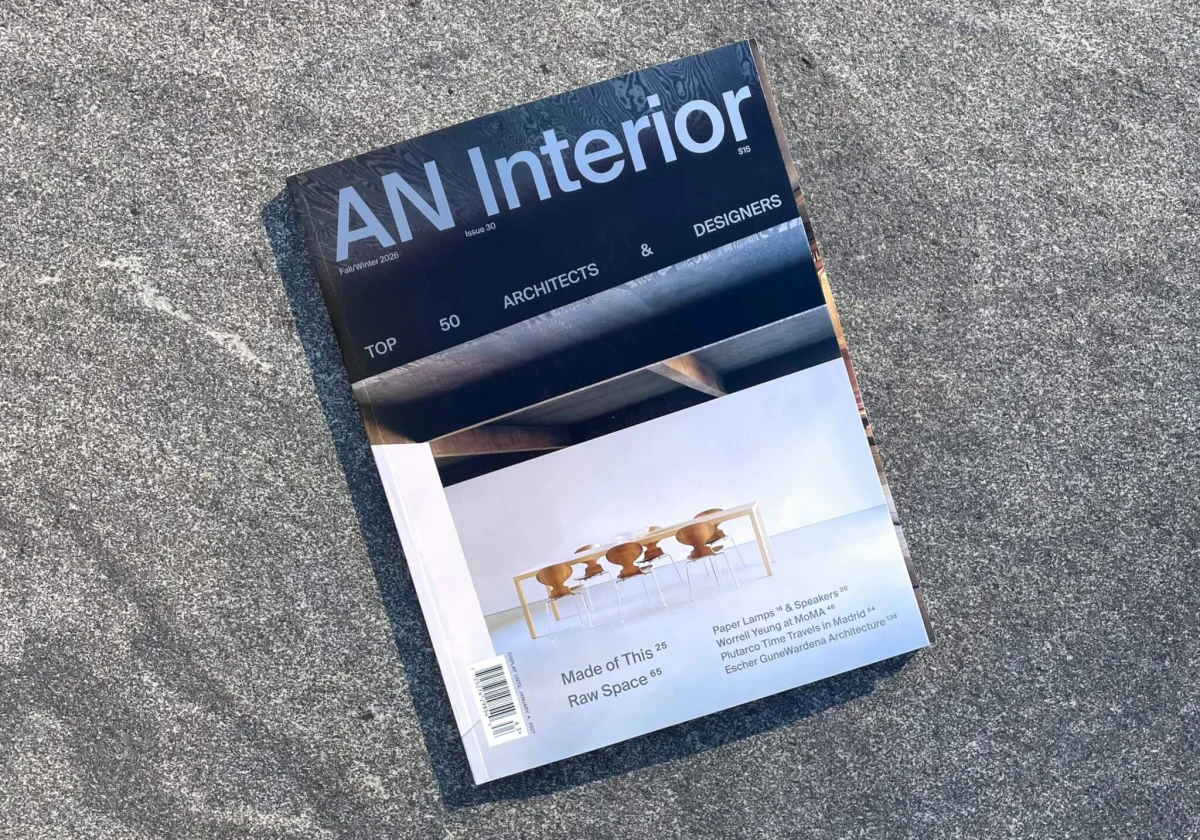
The Fall/Winter 2026 issue of AN Interior is out now (The Architect’s Newspaper, 16 Oct 2026)
10 Reasons to Buy the Autumn/Winter 2026 Issue of AnOther Magazine (AnOther Magazine, 18 Sep 2026)
These Are the Fall Decor Trends Interior Designers Want You to Know (Vogue, 10 Oct 2026)
Inside the September 2026 Issue of Vogue Arabia (Vogue Arabia, 27 Aug 2026)
The Biggest Design Trend This Fall and Winter Is Anything but Neutral (Sunset Magazine, 5 Oct 2026)
Fuentes y créditos
- Feature: The Fall/Winter 2026 issue of AN Interior is out now — The Architect's Newspaper. Linked, not reproduced.
- Main image: The Architect's Newspaper, from the original feature linked above; all rights remain with the publisher and photographer.
- Titulares vía Google News RSS; el contenido pertenece a los editores vinculados.
Los vídeos están incrustados desde sus canales originales de YouTube y siguen siendo propiedad de sus editores; ClubProperty no aloja imágenes ni fotografías de terceros. Los precios y detalles son los que han reportado las fuentes enlazadas arriba en el momento de escribir esto. Nada aquí es asesoramiento financiero.
Artículos relacionados
El Hotel Plaza de Nueva York comenzará su cierre por cuatro años en 2027
El icónico Plaza Hotel de Nueva York está previsto que cierre en 2027 por una extensa...
Leer másLa finca georgiana de Berkshire Hurst Grove se lista por £11,3 millones
Hurst Grove, una finca georgiana actualizada del siglo XVIII que abarca 37 acres en Berkshire, ha sido...
Leer másAerin Lauder y Kohler llevan la cerámica de Delft al baño moderno
Aerin Lauder colabora con Kohler en la colección Fleurette Artist Editions, presentando flores inspiradas en Delft...
Leer másIluminación arquitectónica: Las nuevas colecciones de Coil + Drift
Descubre cómo las nuevas colecciones de iluminación de Coil + Drift utilizan la contención arquitectónica y la artesanía de los materiales...
Leer más