Creating a room that feels both curated and lived-in requires a deliberate balance of scale, texture, and restrained pattern mixing. Interior designer Shea McGee outlines this methodology in a recent review of her studio's residential styling projects.
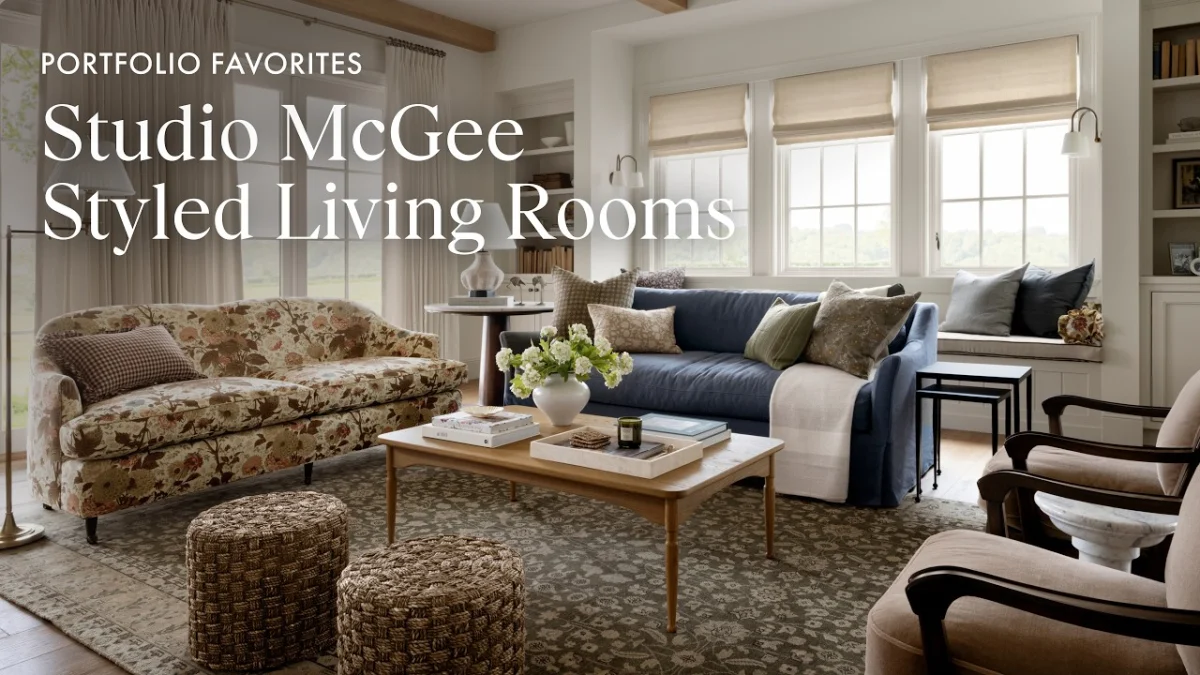 Shea McGee’s Best Living Room Design Ideas | Designer Tips & Inspiration — Studio McGee
The Anatomy of a Collected Space
A successful interior avoids the uniform look of a showroom by introducing tension between disparate eras and finishes. In her recent portfolio walkthroughs, designer Shea McGee emphasizes the importance of layering wood tones rather than matching them identically across a floor plan. Combining white oak, walnut, and antique pine adds visual depth without cluttering the architectural envelope.
Textural variety serves as the primary anchor in neutral palettes. Incorporating bouclé upholstery, raw-edge stone coffee tables, and unlacquered brass hardware introduces tactile engagement that photographs well and wears gracefully over time.
Proportional Layouts and Scale
Furniture placement dictates the psychological comfort of a reception room. Proper circulation paths and correctly scaled upholstery prevent rooms from feeling cramped or cavernous. McGee advocates for pairing deep-seated, clean-lined sofas with slender-profile accent chairs to maintain visual permeability.
Lighting operates on multiple planes to define functional zones. Rather than relying on a single overhead source, layering architectural wall sconces, articulated floor lamps, and low-profile table lamps creates pools of warmth that alter the room’s dimension as daylight shifts.
- Mix three distinct wood tones within a single room to avoid a flat, catalogue-derived appearance.
- Layer textiles by combining smooth linens with heavy wools and patterned throws.
- Invest in statement lighting at varying heights to define functional zones in open-plan spaces.
- Anchor neutral upholstery with artisanal ceramics and vintage accessories collected over time.
Properties associated with recognized interior design practices often command a premium on the resale market, particularly when the architectural detailing and fixed millwork reflect a distinct, high-end point of view. While trend-driven decor fluctuates in value, structural spatial planning and timeless material palettes—such as natural stone and custom joinery—protect capital outlay. Buyers looking to maximize future liquidity should prioritize permanent architectural finishes over superficial styling, ensuring that the foundational spaces can absorb changing design cycles without requiring expensive overhauls.
Related reads
Why Designers Like Shea McGee Are Skipping Kitchen Islands (and What They’re Choosing Instead!) (Apartment Therapy, 4 Oct 2026)
Shea McGee Predicts the Biggest Kitchen Trends For 2027 – These are the 3 She's Most Excited About (Homes and Gardens, 26 Sep 2026)
Shea McGee’s Retail Empire Is Just Getting Started (Architectural Digest, 25 Sep 2026)
The Best Home Stores in America 2026 (House Beautiful, 10 Sep 2026)
I’m an Interior Designer, and These 14 Amazon Decor Picks Look More Expensive Than They Are (Real Simple, 12 Oct 2026)
Sources & credits
- Video: Shea McGee’s Best Living Room Design Ideas | Designer Tips & Inspiration — Studio McGee, embedded from YouTube. The video and its thumbnail remain the property of the publisher.
- Headlines via Google News RSS; content belongs to the linked publishers.
Videos are embedded from their original YouTube channels and remain the property of their publishers; ClubProperty hosts no third-party footage or photography. Prices and details are as reported by the sources linked above at the time of writing. Nothing here is financial advice.
Artículos relacionados
Timeless Design Choices from Mexico City’s Book‑Lined Bar
How material, light and layout in Em‑Estudio’s basement bar create lasting value and ideas…
Leer másThe Architecture of Color: How to Use Bold Hues with Discipline
Master the application of saturated tones in premium interiors with strategic material pairing, lighting…
Leer másIlluminating the Threshold: Exterior Lighting Design and Value
Explore how intentional exterior lighting design enhances residential appeal, balances atmosphere, and protects long-term…
Leer másThe Architecture of Seasonal Interiors: Beyond the Trend Cycle
Explore how to integrate fleeting festive trends like the popular bow motif without compromising…
Leer más