Vietnam’s millennia-old capital is undergoing a hospitality renaissance, pairing French colonial heritage with cutting-edge contemporary design. As international operators anchor themselves in districts like West Lake, the city's luxury real estate market is drawing renewed attention from global buyers.
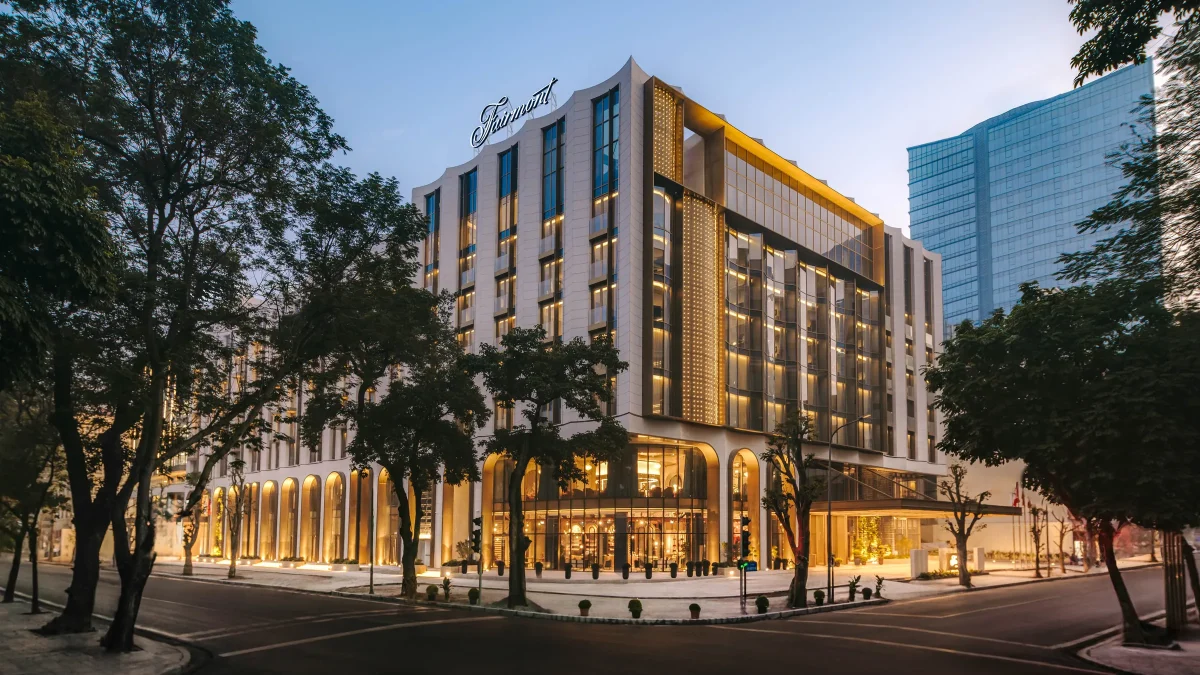
The Architectural Dualism of the Capital
Hanoi’s accommodation landscape has long been defined by its architectural juxtaposition. In the historic French Quarter, century-old neoclassical facades house grand properties that preserve high ceilings, wrought-iron balconies, and shuttered windows. These historic structures establish an aesthetic baseline for the city, celebrating a distinct sense of place rooted in colonial-era urban planning.
In contrast, newer developments across the city embrace vernacular Vietnamese motifs filtered through a minimalist contemporary lens. Architects are increasingly utilising local materials such as basalt stone, woven rattan, and brushed brass, creating interiors that converse directly with the chaotic, vibrant streetscapes outside while offering sanctuaries of acoustic and visual calm.
The West Lake Growth Corridor
While the Old Quarter commands historic prestige, the West Lake district has emerged as the epicentre of modern luxury hospitality and upscale residential living. The area’s micro-climate and expansive water views have made it the natural landing ground for significant international hotel investments.
A notable addition to this skyline is the Shilla Monogram Hanoi West Lake, reported to open its doors with 319 rooms alongside a dramatic swimming pool situated on the 35th floor. Developments of this scale do more than cater to transient guests; they act as catalysts for surrounding residential appreciation, establishing new benchmarks for premium infrastructure, dining, and wellness facilities in the neighbourhood.
Gastronomy and the Design-Led Guest
The modern Hanoi visitor is increasingly design-literate, demanding an integration of high-end gastronomy, wellness, and architectural integrity. Recent recognitions by international culinary and hospitality authorities—including the expansion of the MICHELIN Key hotel selections across Vietnam—highlight a maturation in service standards that rivals established regional hubs like Bangkok or Singapore.
Hotels in the capital no longer rely solely on location. Instead, they function as cultural destinations featuring site-specific art installations, curated culinary programmes led by international chefs, and biophilic design elements that blur the boundary between interior and exterior spaces.
- Look for emerging urban sub-markets anchored by branded luxury hotel developments to capture early capital appreciation.
- Evaluate how local materials and vernacular architecture are integrated into modern builds to ensure lasting aesthetic relevance.
- Proximity to natural features, such as lakes and green corridors, remains a primary driver of long-term residential value in dense Asian capitals.
- Prioritise properties that offer integrated wellness and dining infrastructure, which command higher rental yields among international professionals.
The rapid professionalisation of Hanoi’s hospitality sector serves as a reliable barometer for the city's broader luxury real estate market. As internationally branded properties establish footholds in districts like West Lake, they validate surrounding residential zones for high-net-worth buyers and expatriate tenants. While foreign ownership regulations in Vietnam remain nuanced, the influx of world-class design hotels signals growing confidence in the capital's long-term urban development. Investors tracking secondary and primary residential assets nearby can anticipate sustained rental demand driven by an affluent professional demographic that expects uncompromising global standards.
Related reads
The Best Hotels in Hanoi for Design, Dining, and a Sense of Place (Condé Nast Traveler, 22 Oct 2026)
The 2026 MICHELIN Key Hotels: All the Key Hotels in Vietnam (MICHELIN Guide, 18 Sep 2026)
The new design-led hotels that should be on your radar (Wallpaper*, 1 Oct 2026)
The Shilla Monogram Hanoi West Lake hotel opens on 23 October: 319 rooms and a pool on the 35th floor (La Revue des Hôtels, 20 Sep 2026)
Sofitel Legend Metropole Hanoi Awarded Two MICHELIN Keys (Drift Travel Magazine, 30 Sep 2026)
Sources & credits
- Feature: The Best Hotels in Hanoi for Design, Dining, and a Sense of Place — Condé Nast Traveler. Linked, not reproduced.
- Main image: Condé Nast Traveler, from the original feature linked above; all rights remain with the publisher and photographer.
- Headlines via Google News RSS; content belongs to the linked publishers.
Videos are embedded from their original YouTube channels and remain the property of their publishers; ClubProperty hosts no third-party footage or photography. Prices and details are as reported by the sources linked above at the time of writing. Nothing here is financial advice.
Articles connexes
The Catskills Cabin Shift: Upstate New York Real Estate
Explore how design-forward short-term rentals in the Catskills are reshaping local property values and…
En savoir plusThe Dolomites: High-Altitude Real Estate and Alpine Luxury
Explore the Dolomites' elite hotel scene, high-altitude design standards, and the ripples this alpine…
En savoir plusNatixis CIB Marks 25 Years of Real Estate Financing in Spain
French lender Natixis CIB marks 25 years in Spain, highlighting continued institutional liquidity for…
En savoir plusChiricahua National Park: A New Icon for Arizona Luxury Living
Arizona’s newest national park reshapes tourism and sparks a surge in high‑end property demand…
En savoir plus