Nestled in the foothills of Mount Kuchumaa, Rancho La Puerta has defined destination wellness since 1940. As modern travellers seek deeper quiet—exemplified by recent culinary experiments like structured silent dinners reported by Condé Nast Traveler—this Baja California enclave continues to influence affluent property markets.
The Blueprint of Modern Wellness
Founded by Edmund and Deborah Szekely in 1940, Rancho La Puerta spans 4,000 acres of gardens, meadows, and mountainside just across the US border in Tecate, Mexico. Long before wellness became a dominant global industry, the ranch established a template combining rigorous physical fitness, organic agriculture, and psychological decompression. Guests inhabit Spanish-colonial style casitas scattered across the landscape, participating in a daily routine of yoga, hikes, fitness classes, and lectures.
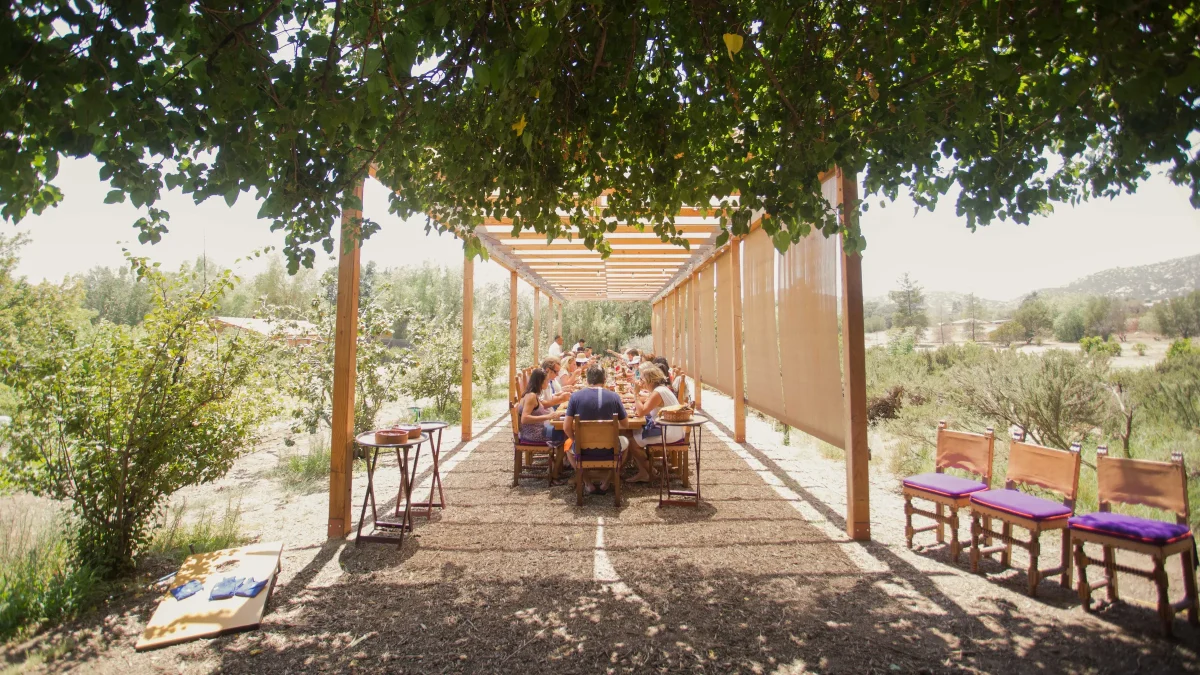
The resort continually adapts its programming to match the shifting psychological needs of its affluent clientele. Recent additions include sensory-reduction dining experiences, such as five-course silent dinners designed to quiet the mind in a communal setting. This emphasis on deliberate stillness reflects a broader cultural pivot among high-net-worth individuals away from high-stimulation holidays and toward restorative, introspective travel.
Demographics and the Cost of Quiet
The clientele drawn to Tecate typically comprises senior executives, entrepreneurs, and creative professionals from North America and Europe who view health as the ultimate luxury. Weekly stays at the property run into several thousand pounds per person, depending on the chosen accommodation tier and specialized treatment programmes. Guests return not merely for the fitness infrastructure, but for the deliberate isolation from digital noise.
This demographic overlap between high-end wellness seekers and international real estate investors is direct. Many visitors who initially experience the region through resort stays subsequently look toward cross-border property acquisitions in northern Baja California, seeking a permanent or semi-permanent lifestyle anchored by mild climates and organic agriculture.
Ripple Effects on the Local Property Market
The presence of an internationally renowned institution like Rancho La Puerta acts as a stabilizing anchor for property values in the immediate Tecate municipality and wider Baja California Norte. While coastal destinations like Rosarito and Ensenada dominate headlines for beachfront speculation, inland Tecate attracts buyers prioritising privacy, acreage, and ecological preservation over ocean views.
Land values and high-end residential developments near the foothills of Mount Kuchumaa benefit from the halo effect of the resort’s enduring prestige. Investors acquire parcels to build sustainable architectural retreats that mirror the low-density, agrarian aesthetic of the surrounding valley. Consequently, the local market remains resilient, driven by buyers who view proximity to world-class wellness infrastructure as a core component of portfolio diversification and personal longevity.
- Destination wellness resorts significantly influence regional property demand and land values in secondary markets.
- Proximity to established infrastructure appeals to buyers seeking low-density, ecologically focused second homes.
- Modern luxury travellers increasingly value sensory reduction and digital detox over high-stimulation itineraries.
- Inland Baja California offers an alternative to coastal speculation, focusing on acreage, privacy, and climate.
- Cross-border positioning near Southern California makes Tecate accessible for international investors.
The real estate market surrounding Tecate operates distinctly from coastal resort hubs in Mexico, prioritising interior land parcels, agricultural estates, and low-density residential communities. While precise transactional volumes for prime inland acreage fluctuate, the enduring international draw of institutions like Rancho La Puerta underpins long-term capital preservation for land investors. Properties offering mature landscaping, water security, and architectural integrity command significant premiums. For internationally minded buyers, acquiring land near established wellness corridors provides a defensive asset class that bridges lifestyle utility with steady regional appreciation.
Related reads
If a Silent Retreat Is Too Much, Ease Into the Trend With a Silent Dinner (Condé Nast Traveler, 13 Oct 2026)
5 Luxurious Wellness Vacations That Tap Into Travelers’ Growing Desire for Peace and Quiet (Travel + Leisure, 28 Aug 2026)
Sources & credits
- Feature: If a Silent Retreat Is Too Much, Ease Into the Trend With a Silent Dinner — Condé Nast Traveler. Linked, not reproduced.
- Main image: Condé Nast Traveler, from the original feature linked above; all rights remain with the publisher and photographer.
- Headlines via Google News RSS; content belongs to the linked publishers.
Videos are embedded from their original YouTube channels and remain the property of their publishers; ClubProperty hosts no third-party footage or photography. Prices and details are as reported by the sources linked above at the time of writing. Nothing here is financial advice.
Articles connexes
Les propriétés de premier choix en bord de mer du lac de Còm établissent la norme pour les locations de luxe
An examination of the elite waterfront estates shaping high-end short-term rentals and lifestyle demand…
En savoir plusLa fermeture de quatre ans de la Plaza ébranle l’immobilier de Manhattan
As New York's landmark Plaza Hotel prepares for a four-year closure to restore its…
En savoir plusL’essor des Cottagecore Estates dans l’immobilier rural américain
Explore how the cottagecore aesthetic is shifting rural property values and luxury demand across…
En savoir plusSan Miguel de Allende’s Luxury Property Evolution
Explore how San Miguel de Allende is transforming into Mexico's premier luxury real estate…
En savoir plus