Bolivia offers some of South America's most arresting topography, pairing surreal salt flats with high-altitude viticulture. For discerning travellers seeking isolation paired with distinct local character, the region represents an untapped frontier.
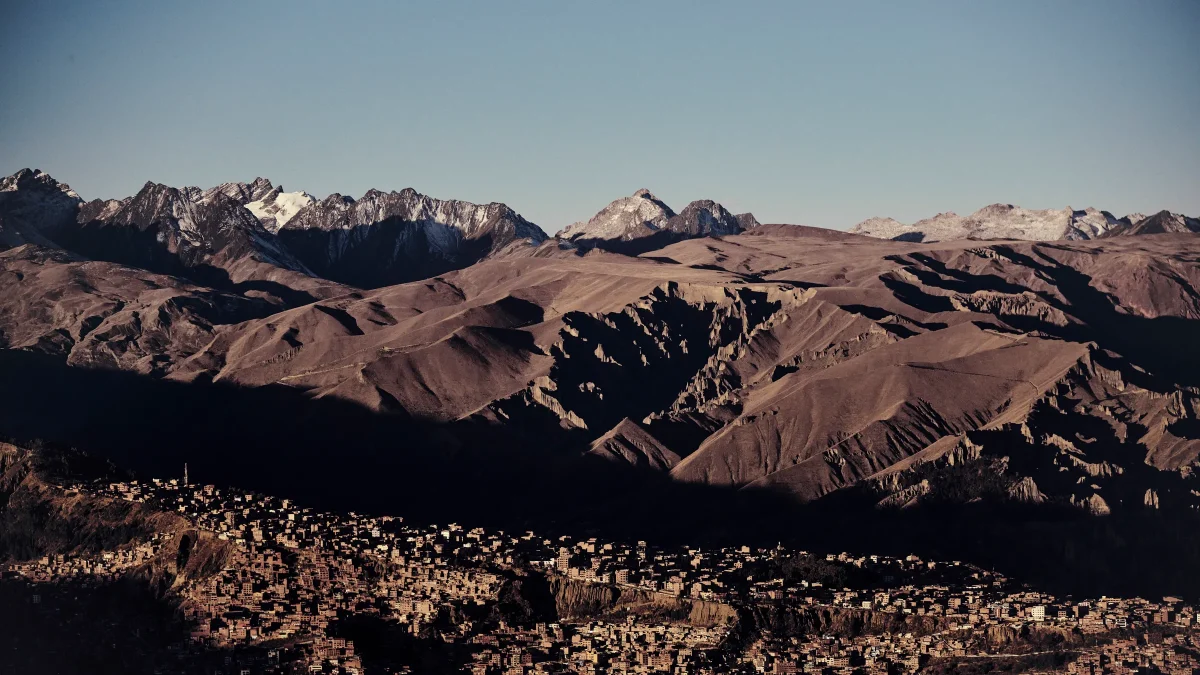
The Surreal Expanse of Salar de Uyuni
Spanning over 10,000 square kilometres across the Altiplano, the Salar de Uyuni is the world’s largest salt flat. This vast, blinding white crust creates a mirror effect during the wet season, reflecting the sky in a seamless horizon that dissolves the boundary between earth and atmosphere. It remains one of the continent’s most visually arresting natural monuments, drawing travellers looking for profound isolation and untouched wilderness.
Accommodation in the region has evolved beyond rudimentary outposts. Innovative properties constructed largely from blocks of local salt provide surprising comfort in remote conditions. These lodges offer an unusual architectural dialogue with the landscape, allowing guests to experience the harsh, high-altitude environment without sacrificing refined hospitality or panoramic views of the surrounding volcanoes.
Tarija and the World's Highest Vineyards
Far to the south, the Tarija valley challenges traditional notions of winemaking geography. Cultivated at altitudes exceeding 2,000 metres above sea level, vineyards here benefit from intense ultraviolet radiation and dramatic diurnal temperature ranges. These unique climatic factors produce distinctive, structured wines, particularly Tannat and Torrontés, which have begun to capture the attention of international connoisseurs.
The wine region combines Spanish colonial heritage with modern agricultural ambition. Boutique estates and historic haciendas offer private tastings and accommodations, anchoring a growing luxury agritourism sector. The slower pace of life in Tarija contrasts sharply with the rugged expanse of the northern Altiplano, presenting a temperate, green sanctuary of rolling hills and artisanal vineyards.
Historical Resonance in Potosí
No journey through the region is complete without examining the colonial history anchored by Potosí. Once among the wealthiest cities in the world due to its immense silver reserves, the city retains a haunting grandeur through its baroque architecture and labyrinthine historic centre. The legacy of the mines shapes the cultural identity of the southern highlands, offering an unvarnished look at the forces that once drove global trade empires.
The preservation of these historical assets underpins Bolivia’s cultural tourism appeal. While infrastructure remains developing compared to neighbouring Peru or Chile, the authenticity of the experience continues to attract travellers seeking depth, history, and landscapes largely untouched by mass tourism.
- Visit the Salar de Uyuni during the wet season between December and April for the iconic mirror reflection effect.
- Explore Tarija's boutique wine estates to experience cool-climate viticulture at extreme altitudes.
- Factor in acclimatisation periods when travelling through regions exceeding 3,000 metres above sea level.
- Look for architectural projects that utilise local materials, such as blocks of compacted salt, to blend with the environment.
Bolivia's real estate and hospitality markets remain highly localized and largely insulated from mainstream international property investment. While urban centres like La Paz and Santa Cruz see steady domestic demand, regions like Tarija and Uyuni represent nascent opportunities primarily driven by tourism infrastructure. Land values in rural and scenic districts are low compared to comparable South American hotspots like Mendoza or Patagonia, reflecting higher infrastructural and logistical hurdles. However, as adventure travel and high-end agritourism gain traction, boutique hospitality assets in prime scenic locations offer long-term speculative potential for patient capital.
Related reads
If a Silent Retreat Is Too Much, Ease Into the Trend With a Silent Dinner (Condé Nast Traveler, 13 Oct 2026)
Sources & credits
- Feature: Getting Lost in Bolivia's Wine Lands, Storied Mines, and Haunting Salt Flats — Condé Nast Traveler. Linked, not reproduced.
- Main image: Condé Nast Traveler, from the original feature linked above; all rights remain with the publisher and photographer.
- Headlines via Google News RSS; content belongs to the linked publishers.
Videos are embedded from their original YouTube channels and remain the property of their publishers; ClubProperty hosts no third-party footage or photography. Prices and details are as reported by the sources linked above at the time of writing. Nothing here is financial advice.
מאמרים קשורים
נכסי החוף המובילים של אגם קומו קובעים את הסטנדרט להשכרות יוקרה
An examination of the elite waterfront estates shaping high-end short-term rentals and lifestyle demand…
קראו עודעליית השיפוץ האדריכלי בנדל"ן יוקרתי
AN Interior's latest issue highlights a definitive shift toward adaptive reuse and high-end renovation,…
קראו עודCraftsmanship Defines a Park Avenue Duplex
Explore a meticulously detailed Park Avenue duplex designed by Julie Hillman and Ferguson &…
קראו עודסגירת ארבע השנים של הפלאזה מטלטלת את הנדל"ן במנהטן
As New York's landmark Plaza Hotel prepares for a four-year closure to restore its…
קראו עוד