





Physical retail spaces require a deliberate architectural strategy to convert casual foot traffic into loyal clientele. As reported by Architectural Digest in November 2026, establishing a lasting brick-and-mortar presence demands a synthesis of sensory engagement and commercial pragmatism.
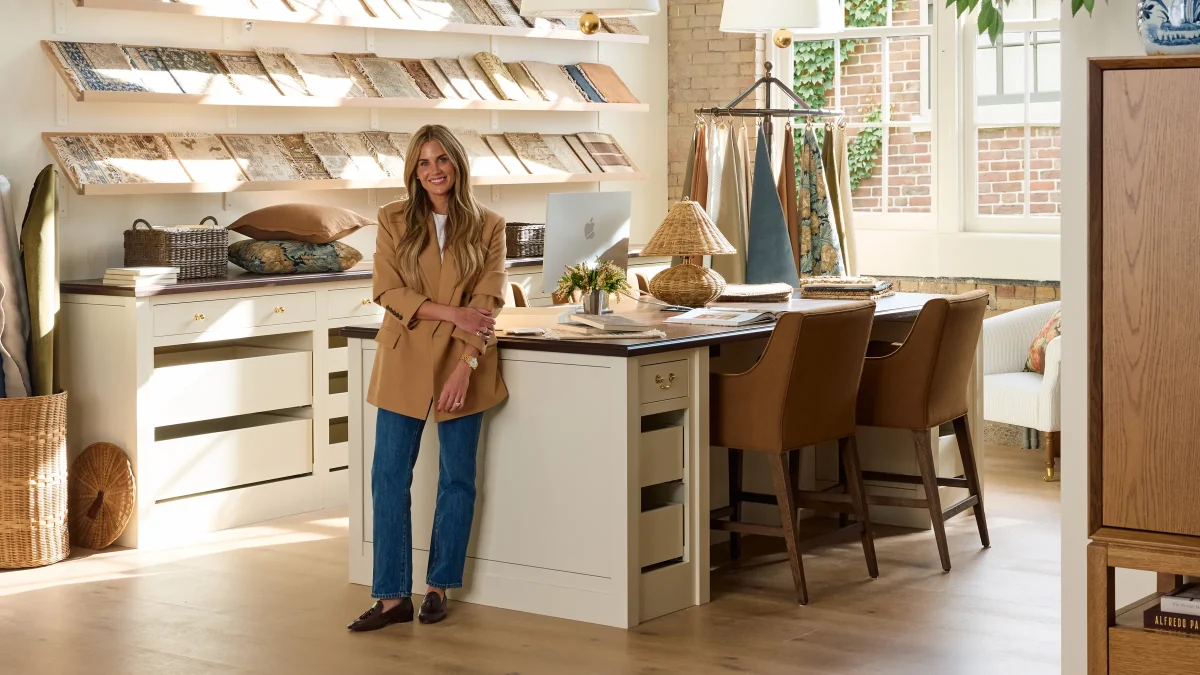
The Evolution of Commercial Footprints
The modern high street and luxury avenue have undergone a profound structural shift. Flagship stores no longer function merely as points of transaction; they operate as three-dimensional brand manifestos. For interior designers expanding into physical retail, the primary challenge lies in translating a digital aesthetic or portfolio into a tangible environment that invites prolonged habitation.
Industry insights published in late 2026 highlight that successful retail spaces rely heavily on human touch and immersive storytelling. When consumers can physically interact with materials, spatial proportions, and lighting designs, the emotional connection to the brand deepens significantly compared to e-commerce browsing.
Spatial Sequencing and Materiality
Architectural planning within retail real estate dictates customer dwell time and conversion rates. Effective layouts employ a deliberate spatial sequence, guiding visitors from a high-impact threshold into more intimate, curated zones. Circulation paths must feel intuitive rather than prescriptive, allowing guests to wander at their own pace.
Material selection remains paramount in luxury retail environments. Utilizing authentic stones, rich hardwoods, and bespoke plaster finishes communicates permanence and quality. These tactile elements anchor the brand in the physical world, signaling to discerning buyers that the merchandise matches the caliber of the built environment.
Lighting and Atmosphere as Commercial Tools
Lighting design in commercial real estate serves a dual purpose: highlighting merchandise and defining the psychological mood of the space. Layered lighting—combining architectural downlights, discreet accent spotlights, and decorative fixtures—prevents visual fatigue and enhances the perceived value of products.
Acoustic engineering is equally critical yet frequently overlooked. Hard surfaces inherent to high-end fit-outs can create reverberation, which disrupts the calm atmosphere required for considered purchasing decisions. Integrating subtle acoustic treatments ensures the environment remains serene, encouraging visitors to linger.
Navigating Commercial Leases and Infrastructure
Securing the right commercial property involves meticulous due diligence regarding zoning, building codes, and landlord restrictions. Historic properties often present unique aesthetic opportunities alongside severe infrastructural constraints, particularly regarding HVAC capacity and ADA or local accessibility compliance.
Lease negotiations must account for anticipated fit-out amortization periods. High capital expenditure on bespoke joinery and specialized lighting requires a secure tenure, ensuring the business can recoup upfront infrastructural investments before lease renewal or rent review cycles occur.
- Treat physical retail stores as immersive brand manifestos rather than mere points of sale.
- Employ layered lighting strategies to enhance product perception and manage spatial mood.
- Balance hard architectural surfaces with subtle acoustic treatments to maintain a calm environment.
- Prioritize intuitive spatial sequencing to encourage longer dwell times and higher conversion rates.
- Conduct rigorous due diligence on commercial lease terms and infrastructural constraints before committing.
For commercial property investors, prime retail real estate increasingly depends on tenant adaptability and experiential design. Flagship locations leased to established designers or lifestyle brands command resilient rents because these occupiers invest heavily in bespoke fit-outs, effectively enhancing the underlying asset's long-term value. When evaluating high-street or luxury avenue properties, investors must examine not only the base building specifications—such as floor-to-ceiling heights and electrical load capacities—but also the tenant's ability to drive physical foot traffic in an omni-channel marketplace. Properties that seamlessly accommodate high-end interior architecture tend to experience lower vacancy rates and secure stronger covenants during market cycles.
Related reads
Shea McGee’s Retail Playbook: How to Open a Store, Win Customers, and Build a Business That Lasts (Architectural Digest, 17 Nov 2026)
Opinion | I Started a Business Last Year. Now I’m Getting Crushed. (The New York Times, 6 Oct 2026)
Build And Buy: Why Billion-Dollar Startups Like Function Health Are Going Shopping (Forbes, 16 Nov 2026)
What are the most popular Halloween costumes this year? Local stores tell all (capradio.org, 30 Oct 2026)
2026 Deloitte Holiday Retail Survey (Deloitte, 15 Oct 2026)
Sources & credits
- Feature: How to Open a Retail Store, Win Customers, and Build a Business That Lasts — Architectural Digest. Linked, not reproduced.
- Main image: Architectural Digest, from the original feature linked above; all rights remain with the publisher and photographer.
- Headlines via Google News RSS; content belongs to the linked publishers.
Videos are embedded from their original YouTube channels and remain the property of their publishers; ClubProperty hosts no third-party footage or photography. Prices and details are as reported by the sources linked above at the time of writing. Nothing here is financial advice.
Gerelateerde artikelen
The New Rules of High-End Retail Interior Design
Explore how top designers are reshaping luxury retail spaces to entice digital-first buyers back…
Lees meerThe Domestic Blueprint: What Retail Design Teaches Real Estate
Retail design is shifting toward residential layouts. We examine the West Hollywood Lulu and…
Lees meerPaola Lenti São Paulo Flagship: Architecture in Greenery
Armentano Arquitetura blends metal, glass and a living facade for Paola Lenti's new São…
Lees meerCraftsmanship and Structure in São Paulo’s Paola Lenti Flagship
Armentano Arquitetura translates furniture design into structural glass, metal grids, and green trellises for…
Lees meer