





High-end interior design frequently prioritises fixed architecture, yet the tactile elements of a dining room dictate its daily liveability. Integrating permanent craftsmanship elevates the space far beyond transient seasonal styling.
Materiality and the Weight of Authenticity
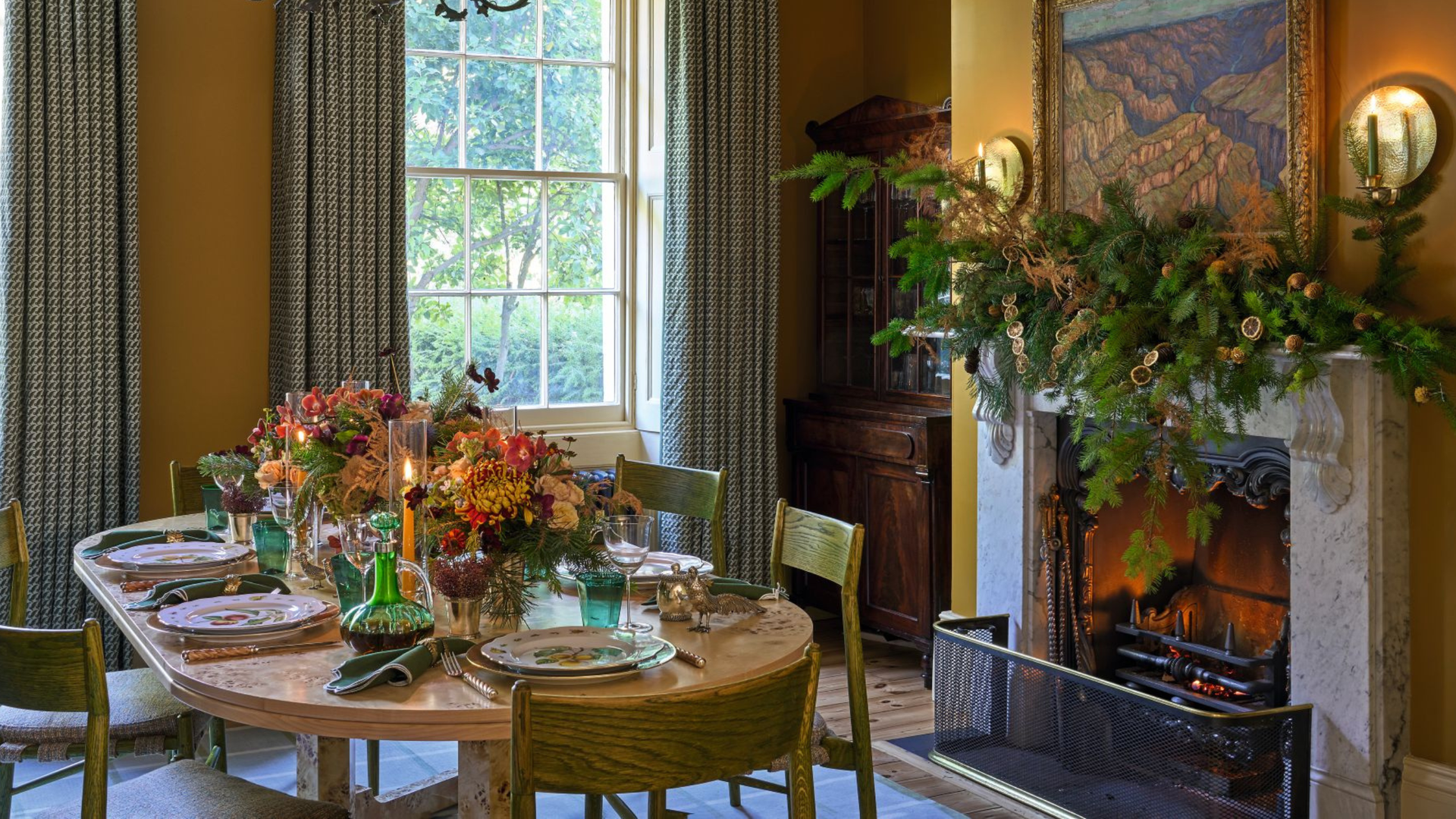
The foundation of a well-composed dining space relies on authentic, uncompromised materials. While mass-produced tableware offers temporary utility, heavy stoneware, cast brass, and mouth-blown glassware introduce a tactile dimension that artificial finishes cannot replicate. When considering tabletop accessories—such as bespoke butter dishes, solid metal cutlery rests, and weighted oil cruets—the objective is to introduce items with intrinsic physical weight.
Designers note that surfaces finished in natural materials patina over time, recording usage rather than degrading. Selecting solid brass, porcelain, or silver-plated accents establishes a quiet permanence. This approach mirrors architectural principles where materials are chosen for how they age, ensuring the room gains character rather than looking dated after a single design cycle.
Proportion, Lighting, and Spatial Layout
A dining room’s success depends as much on spatial geometry as on the objects placed within it. The distance between guests, the clearance around the perimeter of the table, and the height of overhead lighting fixtures require precise calculation. Low-hung pendants or sculptural chandeliers anchor the dining table, creating a distinct functional zone within an open-plan layout.
Layered lighting remains essential for shifting the room’s atmosphere from daytime utility to evening formality. Integrating dimmable circuits and incorporating localized illumination—such as tapered candles secured in weighted holders—softens harsh shadows and highlights the textures of the table setting. Proportion dictates comfort; oversized tables in compact rooms restrict movement, while undersized furniture diminishes the architectural scale of high-ceilinged spaces.
Curating Functional Art for Daily Life
Interior longevity relies on selecting objects that combine utility with sculptural form. Rather than accumulating disposable seasonal decorations, sophisticated schemes incorporate functional items that perform a daily role while remaining visually compelling. Hand-thrown ceramic place card holders, minimalist salt cellars, and balanced water pitchers function as tabletop architecture.
This philosophy reduces clutter by ensuring every piece on display serves a distinct purpose. Investing in fewer, higher-quality tabletop elements prevents visual fatigue. When hosting or simply dining daily, the presence of well-balanced utensils and heavy-gauge ceramics communicates a standard of living rooted in thoughtful curation rather than superficial ornamentation.
- Prioritise solid, heavy materials like brass, stoneware, and mouth-blown glass over lightweight synthetics to signal enduring quality.
- Ensure table dimensions allow adequate perimeter clearance to maintain spatial flow in open-plan or dedicated dining rooms.
- Incorporate layered, dimmable lighting to transition the dining space easily from casual daytime use to formal evening gatherings.
- Select functional tabletop accessories—such as cruets and butter dishes—that double as sculptural objects to reduce visual clutter.
- Invest in timeless tableware that develops a natural patina, avoiding transient seasonal trends that require frequent replacement.
For international property buyers, the dining room functions as a primary indicator of a home's entertainment capability and overall spatial efficiency. Properties that feature well-proportioned dining zones with integrated architectural lighting command stronger interest in competitive markets. While movable decor and tabletop accessories do not directly alter a property's valuation, the underlying quality of built-in cabinetry, flooring, and lighting infrastructure signals to prospective buyers that the entire residence has been constructed without compromise. High-net-worth purchasers look for seamless transitions between indoor dining and exterior entertaining terraces, making spatial layout a critical factor in long-term resale liquidity.
Related reads
28 Things That’ll Make Your Bathroom Feel More Like A Spa Instead Of A Sad Tile Cave (BuzzFeed, 27 Sep 2026)
7 Things That Make Your Living Room Look More Expensive, According to Interior Designers (veranda.com, 23 Sep 2026)
5 Decorating Mistakes That Can Make Even an Expensive Home Look Cheap (Real Simple, 1 Oct 2026)
After Testing 32 Toasters, I Found a Winner for Every Shade of Toast Lover (Bon Appétit: Recipes, Cooking, Entertaining, Restaurants | Bon Appétit, 2 Oct 2026)
The 46 Best Cozy Gifts That Any Homebody Will Love (Apartment Therapy, 4 Nov 2026)
Sources & credits
- Feature: 20 Luxurious Little Details That'll Make Your Holiday Tablescape Feel Anything But Ordinary — Homes & Gardens. Linked, not reproduced.
- Main image: Homes & Gardens, from the original feature linked above; all rights remain with the publisher and photographer.
- Headlines via Google News RSS; content belongs to the linked publishers.
Videos are embedded from their original YouTube channels and remain the property of their publishers; ClubProperty hosts no third-party footage or photography. Prices and details are as reported by the sources linked above at the time of writing. Nothing here is financial advice.
Featured image: Photo: ธันยกร ไกรสร / Pexels
Gerelateerde artikelen
The Return of Dark Wood in High-End Living Rooms
Explore how dark timber furniture brings architectural depth and enduring character to premium living…
Lees meerIntegrating Graphic Design and Color into Modern Interiors
Explore how bold color palettes and graphic collaborations translate from everyday objects to lasting…
Lees meerThe Monochromatic Shift: Rethinking Seasonal Entertaining Spaces
Explore how high-end dining spaces are moving away from seasonal clichés toward enduring monochromatic…
Lees meerThe Art of Seasonal Interiors: What Hospitality Design Teaches Us
Explore how luxury hotels curate festive interiors and learn which seasonal design strategies translate…
Lees meer