





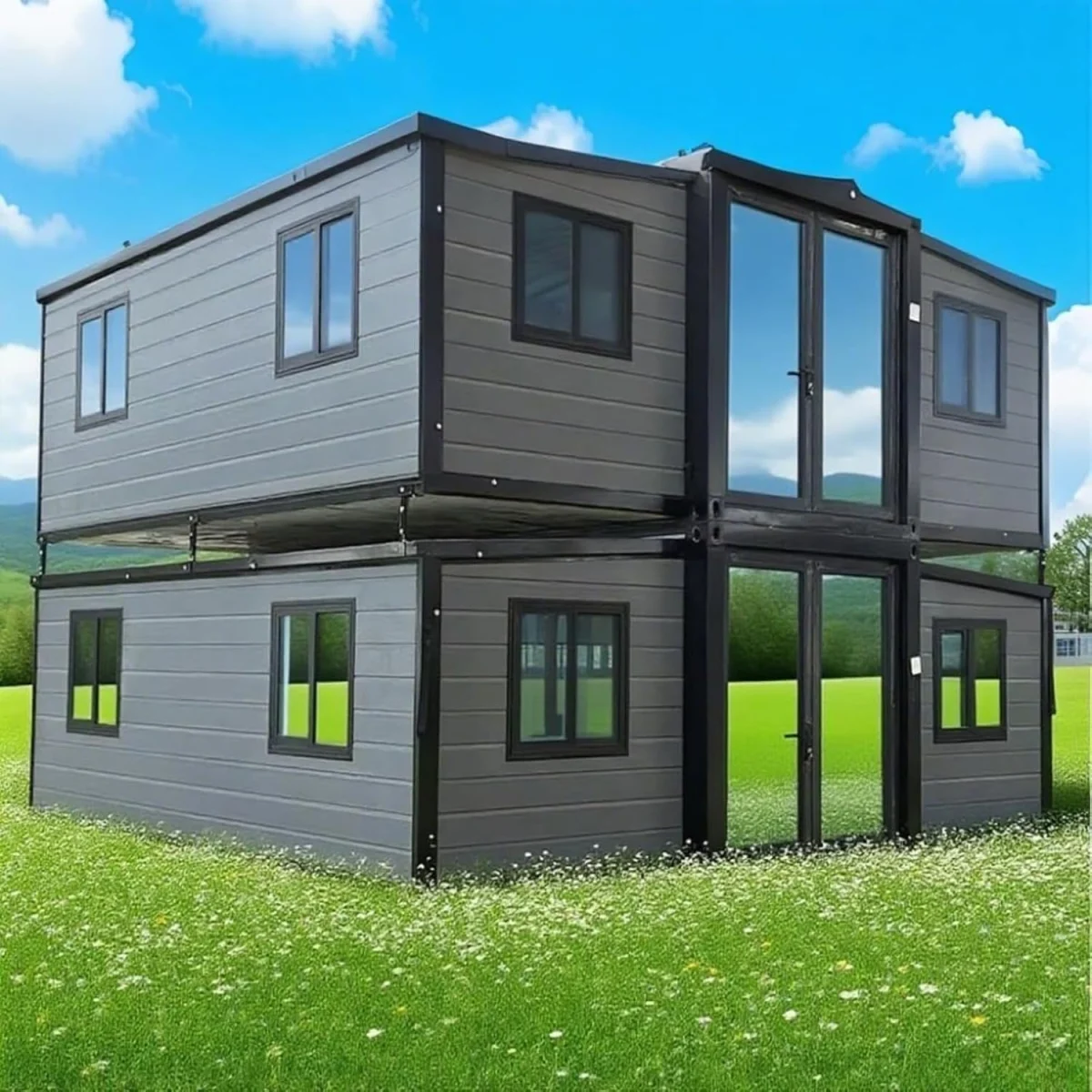
Faced with acute supply shortages and soaring property values across Spain, buyers are increasingly turning to alternative construction methods. According to data published by portal idealista in November 2026, low-cost prefabricated models—including a two-storey foldable unit retailed on Amazon for €16,137—have gained significant traction among consumers seeking relief from traditional market entry barriers.
Market Pressures and the Search for Alternatives
Access to residential property in Spain has grown increasingly difficult for domestic households, particularly younger demographics attempting to enter the market for the first time. Persistent imbalances between supply and demand have driven up prices in major urban centres and coastal zones alike, leaving conventional homeownership out of reach for a growing segment of the population.
This affordability squeeze has forced a re-evaluation of how homes are built and acquired. While traditional brick-and-mortar construction remains constrained by rising material costs, labour shortages, and lengthy development timelines, alternative housing solutions have moved from the periphery into mainstream consumer consciousness.
The Rise of E-Commerce Prefabrication
The market has witnessed unusual distribution channels emerging to meet demand, highlighted by the viral popularity of modular and foldable units available through mainstream e-commerce platforms. A reported two-storey foldable house listed on Amazon for €16,137 illustrates the extreme end of low-cost housing alternatives capturing public attention.
While such retail units offer a striking headline figure, industry analysts note they represent only the base structure. Buyers must factor in additional logistics, foundation work, and utility connections, which alter the final capital outlay significantly.
Regulatory and Planning Frameworks in Spain
For investors and buyers considering prefabricated or modular structures in Spain, navigating local administrative frameworks is critical. Spanish urban planning laws apply equally to prefabricated buildings and traditional masonry homes; structures intended for permanent habitation generally require municipal building permits, architectural sign-offs, and compliance with the Technical Building Code (Código Técnico de la Edificación).
Furthermore, placing a prefabricated unit on land requires ownership or legal lease of appropriately zoned plots—typically classified as urban land (suelo urbano) or, under strict regional conditions, specific categories of rural land (suelo rústico). Buyers must consult municipal authorities regarding local zoning restrictions before purchasing modular structures.
- Verify municipal zoning laws before purchasing any land for a prefabricated installation in Spain.
- Factor in foundation, transport, and utility connection costs beyond the base purchase price of modular units.
- Ensure any prefabricated structure complies with the Spanish Technical Building Code (CTE) for permanent dwellings.
- Review idealista market reports to understand regional supply and price disparities across Spanish provinces.
- Consult an independent local architect or legal professional regarding licensing requirements prior to deployment.
The public appetite for ultra-low-cost prefabricated housing underscores a structural affordability crisis rather than an immediate shift in mainstream prime real estate investment. While modular construction can offer speed and cost efficiencies for rural development or secondary plots, these structures rarely appreciate in land-value terms the way traditional urban property does. Investors should separate the novelty of e-commerce housing solutions from the fundamental drivers of Spanish residential markets, where location, land scarcity, and traditional planning permissions continue to dictate long-term capital growth and liquidity.
Sources & credits
- Feature: The €16,000 two-storey prefabricated house taking Amazon by storm — idealista Spain. Linked, not reproduced.
- Main image: idealista Spain, from the original feature linked above; all rights remain with the publisher and photographer.
Videos are embedded from their original YouTube channels and remain the property of their publishers; ClubProperty hosts no third-party footage or photography. Prices and details are as reported by the sources linked above at the time of writing. Nothing here is financial advice.
Featured image: Photo: Jef K / Pexels
Gerelateerde artikelen
US Homebuilder Confidence Drops to 14-Year Low
US homebuilder confidence falls to its lowest level since 2012 as rising price cuts…
Lees meerSpain’s Regional Divides Highlighted by INE Housing Data
Spain's national statistics institute reports sharp regional disparities in property values for 2025, with…
Lees meerSpain’s Residential Property Market Faces Price Moderation
Spain’s housing sector enters a recalibration phase as third-quarter data points to slowing price…
Lees meerEuropean Property Prices Diverge Further From Incomes
An analysis of European housing markets reveals a widening gap between residential property values…
Lees meer