Designers are revisiting the saturated hues of the 1960s, applying a more sophisticated lens to kitchen spaces. This revival balances historical nostalgia with contemporary material restraint, offering distinct aesthetic choices for high-end properties.
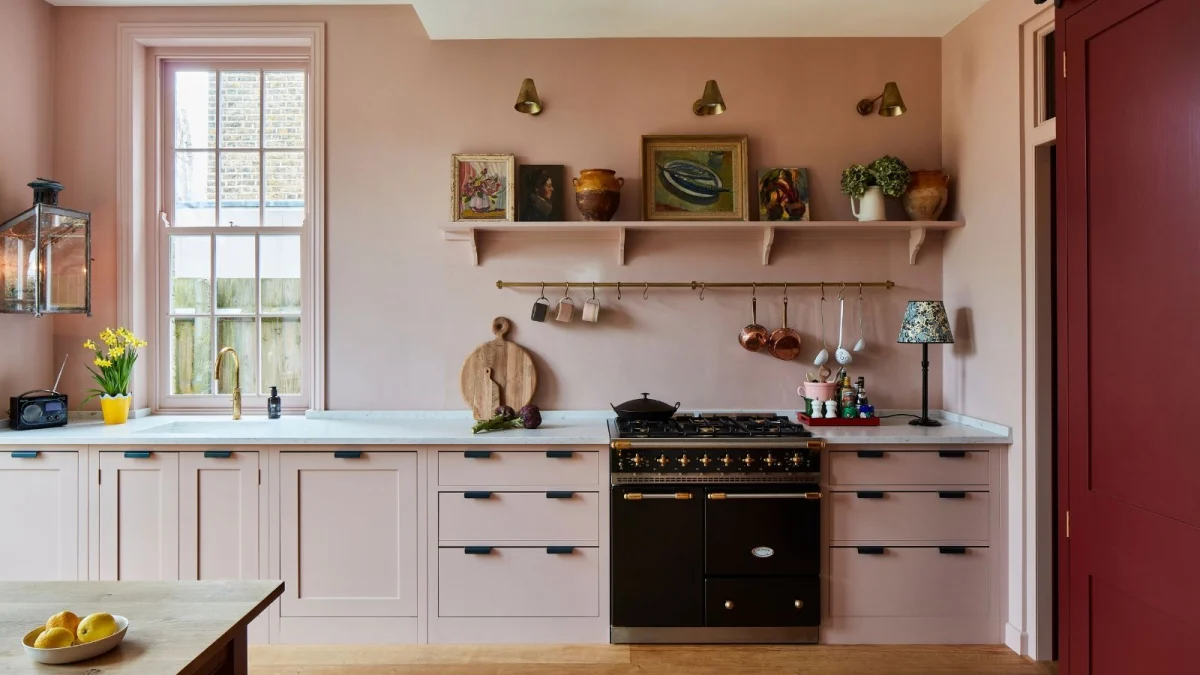
The Evolution of Mid-Century Hues
The 1960s aesthetic was defined by bold tones that reflected cultural shifts towards optimism and experimentation. In contemporary residential design, these palettes are rarely replicated in their original, high-gloss intensity. Instead, interior architects are employing muted variations—such as desaturated avocados, mustard yellows, and earthy terracotta—to introduce warmth without overwhelming the spatial volume.
This shift moves away from the sterile, monochromatic white kitchens that dominated the luxury market over the past two decades. By integrating these retro shades through matte lacquers or natural lime washes, properties gain a sense of established character and depth that appeals to buyers seeking individuality.
Materiality and Craftsmanship
Applying a vintage palette requires rigorous attention to materiality to avoid looking dated. Pairing retro colours with tactile, enduring surfaces—such as honed Saint Laurent marble, unlacquered brass hardware, or dark-stained walnut cabinetry—grounds the scheme in quality.
Craftsmanship plays a pivotal role in this translation. Hand-glazed ceramic tiles in olive or burnt orange introduce subtle tonal variations across a wall, catching natural light differently throughout the day. This artisanal approach elevates the kitchen from a utilitarian zone to a primary architectural feature.
Balancing Fashion with Resale Value
For property investors and owners, adopting historical colour trends requires a strategic approach to ensure long-term market appeal. Entirely custom cabinetry in bright turquoise or bold tangerine can alienate prospective buyers during a resale cycle.
A more prudent strategy involves limiting saturated retro tones to secondary joinery, kitchen islands, or easily replaceable elements like splashbacks and pantry doors. Permanent structural surfaces, such as perimeter countertops and flooring, should remain neutral, allowing the bolder design statements to be updated cost-effectively if market preferences shift.
- Use desaturated or earthy versions of 1960s hues to maintain long-term visual appeal.
- Ground bold retro cabinet colours with high-end, tactile materials like honed stone and unlacquered brass.
- Limit bright or niche colours to kitchen islands or pantry joinery rather than the entire room.
- Incorporate hand-glazed tiles to add texture and tonal depth through natural light interaction.
- Keep permanent structural surfaces neutral to protect the property's future resale value.
In the premium property sector, kitchens remain a primary driver of valuation and buyer interest. While hyper-specific design trends can sometimes narrow the pool of prospective purchasers, a thoughtful integration of mid-century colour palettes signals high design literacy. Properties that successfully blend historical character with contemporary luxury often command stronger emotional resonance from buyers. By ensuring that bold aesthetic choices are concentrated in modular or surface elements rather than permanent infrastructure, owners protect their capital outlay while delivering the distinctive interiors currently favoured in top-tier markets.
Related reads
7 Nostalgic '60s Kitchen Colors Your Parents Loved Making a Comeback (Homes and Gardens, 9 Oct 2026)
60 Toys for 18-Month-Olds That Boost Learning, Language, & Motor Skills (Parents, 25 Aug 2026)
These Clever Stocking Stuffers Start at Just $6 (Oprah Daily, 11 Aug 2026)
These Rad Halloween Costume Ideas Are Inspired by the 1980s (Good Housekeeping, 3 Oct 2026)
70 Best Gift Ideas for Women in 2026 (HGTV, 16 Sep 2026)
Sources & credits
- Feature: 7 Nostalgic '60s Kitchen Colors Your Parents Loved – and Why Designers Are Bringing Them Back — Homes & Gardens. Linked, not reproduced.
- Main image: Homes & Gardens, from the original feature linked above; all rights remain with the publisher and photographer.
- Headlines via Google News RSS; content belongs to the linked publishers.
Videos are embedded from their original YouTube channels and remain the property of their publishers; ClubProperty hosts no third-party footage or photography. Prices and details are as reported by the sources linked above at the time of writing. Nothing here is financial advice.
Relaterte artikler
Timeless Design Choices from Mexico City’s Book‑Lined Bar
How material, light and layout in Em‑Estudio’s basement bar create lasting value and ideas…
Les merThe Architecture of Color: How to Use Bold Hues with Discipline
Master the application of saturated tones in premium interiors with strategic material pairing, lighting…
Les merIlluminating the Threshold: Exterior Lighting Design and Value
Explore how intentional exterior lighting design enhances residential appeal, balances atmosphere, and protects long-term…
Les merThe Architecture of Seasonal Interiors: Beyond the Trend Cycle
Explore how to integrate fleeting festive trends like the popular bow motif without compromising…
Les mer