





The release of the Editors' Picks for the 2026 Best of Design Awards highlights a decisive shift toward rigorous material honesty and context-driven residential design. International juries are increasingly rewarding properties that seamlessly balance structural innovation with long-term environmental performance.
Contextual Integration and Site Specificity
,
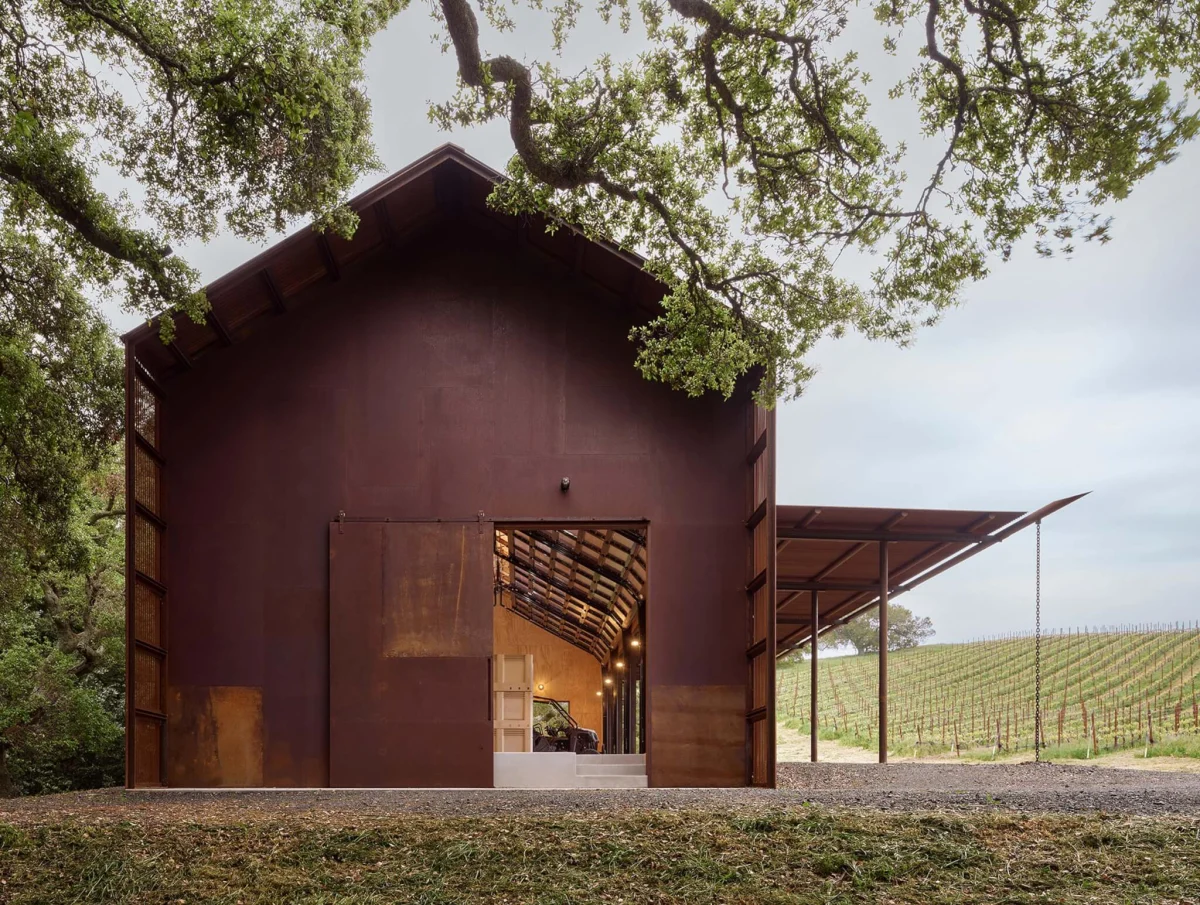
The residential projects recognised in the latest design awards cycle demonstrate a profound departure from generic luxury typologies. Instead, architects are prioritising deep site integration, responding directly to topography, microclimates, and local vernaculars. Rather than imposing alien geometries onto a landscape, winning designs leverage natural contours to dictate building massing, sightlines, and private outdoor zones.
For high-net-worth buyers, this contextual grounding translates directly to enhanced privacy and enduring visual relevance. Properties that appear anchored to their environment rather than dropped onto it maintain stronger long-term desirability. Architects are utilizing subterranean levels, retaining walls, and split-level floor plates to negotiate difficult terrain while maximising usable interior footprint without increasing visible scale.
Material Authenticity and Structural Honesty
A defining characteristic of the 2026 award selections is the uncompromising use of raw, tactile materials. Exposed cast-in-place concrete, locally quarried stone, and heavy timber framing dominate the structural palettes. These choices serve a dual purpose: they provide immediate aesthetic weight and tactile richness while significantly reducing the need for applied interior finishes.
From a construction standpoint, this approach demands exceptional execution. Without drywall to mask imperfections, formwork precision and masonry detailing become paramount. Premium buyers increasingly value this level of craftsmanship, recognising that true luxury lies in the integrity of the core structure rather than superficial decoration. Furthermore, raw materials weather predictably, reducing maintenance cycles over the building lifecycle.
Performance-Driven Engineering
Aesthetics no longer operate independently of building physics in contemporary high-end architecture. The recognised projects integrate passive survivability strategies directly into their architectural DNA. Deep roof overhangs, operable exterior louvres, and thermal mass walls work in concert to regulate internal temperatures passively, minimising mechanical heating and cooling loads.
Ventilation corridors and courtyard typologies are frequently employed to harness prevailing breezes, reducing reliance on artificial climate control. For international property investors, these engineering choices represent a critical risk-mitigation strategy. Buildings designed to perform efficiently under stringent energy regulations protect capital value against future legislative changes and escalating utility costs.
- Prioritise properties where the architectural massing responds directly to the natural topography of the site.
- Look for structural palettes featuring raw, authentic materials like exposed concrete and stone that weather with patina.
- Verify that passive environmental strategies—such as thermal mass and cross-ventilation—are built into the core design.
- Evaluate craftsmanship by inspecting the precision of structural joints and unmasked interior surfaces.
- Consider how contextual integration protects long-term asset liquidity and privacy.
Recognition by respected international design publications and awards juries serves as a reliable marker of architectural pedigree. For investors, properties backed by rigorous design credentials typically demonstrate superior liquidity and resilience during market corrections. Buyers at the premium end of the market are increasingly sophisticated, filtering acquisitions through the lens of spatial efficiency, structural longevity, and environmental performance. Assets that incorporate genuine architectural innovation rather than transient stylistic trends command a measurable valuation premium and secure their position at the top of the secondary market.
Related reads
Introducing the 2026 Best of Design Awards Editors' Picks (The Architect’s Newspaper, 3 Nov 2026)
Introducing the September 2026 Editor Haute List (Haute Living, 9 Sep 2026)
Editor's Letter: Introducing the 2026 Readers' Choice Awards (Condé Nast Traveler, 6 Oct 2026)
Editors' Picks: Our Favorite Watches From Geneva Watch Days 2026 (And Beyond) (Hodinkee, 10 Sep 2026)
Editors’ picks: A range of great wines to try – October 2026 (Decanter, 12 Oct 2026)
Sources & credits
- Feature: Introducing the Editors’ Picks for AN’s 2026 Best of Design Awards — The Architect's Newspaper. Linked, not reproduced.
- Main image: The Architect's Newspaper, from the original feature linked above; all rights remain with the publisher and photographer.
- Headlines via Google News RSS; content belongs to the linked publishers.
Videos are embedded from their original YouTube channels and remain the property of their publishers; ClubProperty hosts no third-party footage or photography. Prices and details are as reported by the sources linked above at the time of writing. Nothing here is financial advice.
Powiązane artykuły
The Architecture Shortlists Shaping Modern Residential Design
Examining the architectural tendencies and material innovations emerging from the latest international design awards…
Czytaj więcejNautical Heritage Wins Dezeen Interiors Project of the Year
An old sailor's home has claimed the Dezeen Awards 2026 interiors title, highlighting the…
Czytaj więcejThe Private Architecture and Design Choices of Supermodel Homes
Explore the distinct architectural styles, bespoke interiors, and global retreats favoured by the world's…
Czytaj więcejThe Architecture of Charred Timber in Premium Design
Explore how architects use charred timber and traditional shou sugi ban techniques to craft…
Czytaj więcej