





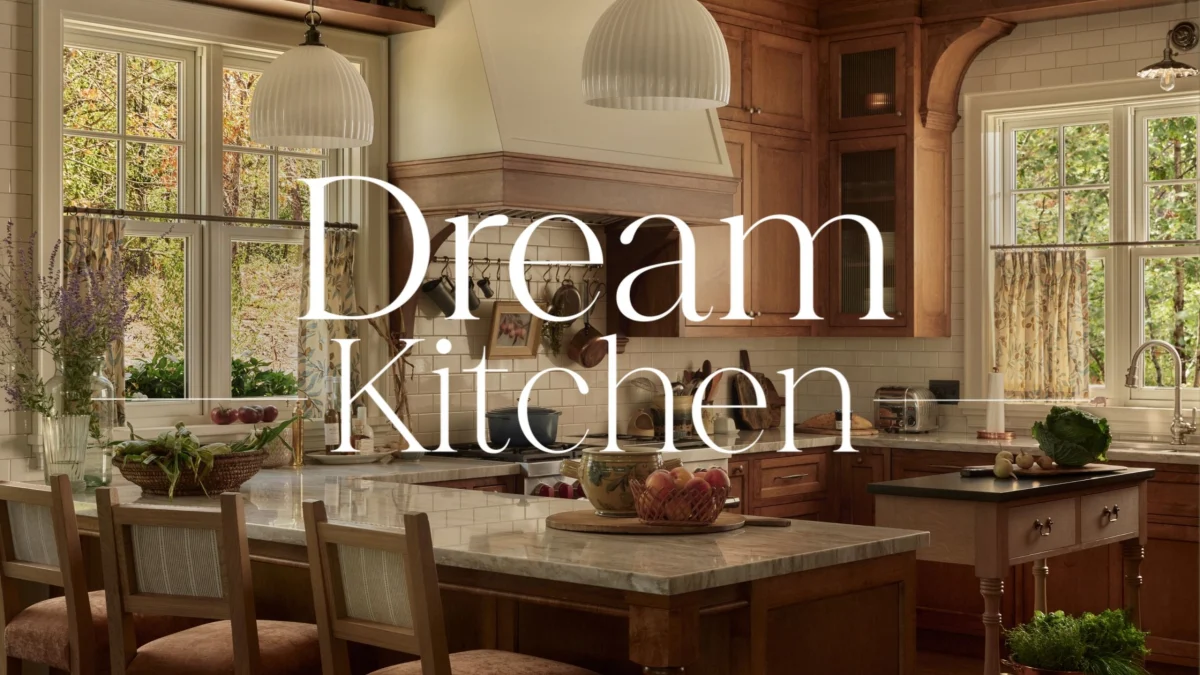
Creating a kitchen that feels rooted in history rather than bound to a fleeting trend requires a careful selection of raw materials and spatial restraint. A recent project by Tom Design Collective, reported by Homes & Gardens in November 2026, offers a masterclass in achieving this lived-in aesthetic.
Material Authenticity Over Modern Gloss
The foundation of the English country look relies on tactile, unpolished surfaces that patina gracefully over time. High-gloss laminates and sterile composite stones are replaced by natural limestone, heavily grained timber, and patinated metals such as unlacquered brass or copper. These materials do not hide wear; they absorb it, creating a visual narrative that accumulates character with each passing year.
When evaluating resale value, durable natural surfaces consistently outperform synthetic alternatives. Buyers recognise the longevity of solid wood cabinetry and stone worktops, which can be refinished or repaired rather than entirely replaced when trends shift. Investing in quality joinery forms the primary defense against obsolescence in high-traffic rooms.
Layered Lighting and Functional Layouts
Lighting in a traditional kitchen avoids the harsh glare of uniform recessed ceiling fixtures in favour of task-specific, lower-lumen sources. Wall-mounted sconces, antique pendants, and under-cabinet illumination create pools of warm light that define specific zones within an open-plan layout. This layering breaks up large spaces into intimate areas without erecting physical barriers.
The spatial arrangement prioritises practical ergonomics disguised as freestanding furniture. Rather than monolithic rows of matching built-in units, the design incorporates freestanding larders, open plate racks, and islands that resemble antique work tables. This approach maintains flexibility and prevents the kitchen from feeling overly engineered.
Scaling the Aesthetic Across Budgets
Achieving the layered, collected-over-time effect does not necessitate a complete architectural overhaul. At a lower budget, homeowners can introduce this aesthetic by swapping out modern cabinet hardware for hand-forged iron or aged brass pulls, introducing vintage runners in place of fitted rugs, and displaying everyday ceramics on open oak shelving.
At a higher budget tier, investment should be directed toward bespoke cabinetry with traditional frame-and-panel construction and authentic masonry surrounds. Sourcing reclaimed York stone for flooring or salvaged timber beams anchors the room in architectural history, grounding the contemporary conveniences hidden within the joinery.
- Prioritise unlacquered metals and natural stone that develop a rich patina over time.
- Replace uniform overhead lighting with layered sconces and low-level ambient sources.
- Incorporate freestanding furniture pieces to soften the rigidity of fitted cabinetry.
- Use open shelving and plate racks to display functional tableware as decor.
- Invest budget in structural joinery and durable worktops rather than decorative gadgets.
Kitchens remain the primary focal point for premium property buyers, yet hyper-modern, minimalist designs often age poorly within five to seven years. Adopting an English country vernacular insulates a property against stylistic dating. Natural materials and classic joinery signal quality and permanence to prospective buyers, commanding stronger valuations in competitive suburban and rural markets. When planning renovations for resale, durability paired with historical references consistently yields a higher return on investment than transient colour palettes or high-tech appliance suites.
Related reads
They Designed an English Country-Inspired Kitchen That Feels Far Older Than It Is – Here's the Blueprint for a Cozy, Lived-In Space (Homes and Gardens, 25 Nov 2026)
An interior designer shares 9 things she'd never have in her own kitchen (Business Insider, 16 Oct 2026)
5 Details That Make a White Kitchen Feel Warm, Not Boring (Country Living Magazine, 21 Oct 2026)
7 Secrets From British Designers That Make Any Home Feel English-Countryside Cozy (House Beautiful, 29 Sep 2026)
Sources & credits
- Feature: Inside an English Country-Inspired Kitchen That Feels Far Older Than It Is – It's the Blueprint For a Cozy, Lived-In Design — Homes & Gardens. Linked, not reproduced.
- Main image: Homes & Gardens, from the original feature linked above; all rights remain with the publisher and photographer.
- Headlines via Google News RSS; content belongs to the linked publishers.
Videos are embedded from their original YouTube channels and remain the property of their publishers; ClubProperty hosts no third-party footage or photography. Prices and details are as reported by the sources linked above at the time of writing. Nothing here is financial advice.
Artigos Relacionados
The Return of 1960s Kitchen Palettes in Premium Interiors
Explore how designers are readapting nostalgic 1960s kitchen colours with a refined approach, balancing…
Ler maisRethinking the Kitchen: The Case for Living Room Seating
Discover how integrating living room-style furniture into an English country kitchen adds lasting warmth,…
Ler maisDesigning the Enduring Kitchen: Lessons from 1970s Archives
Examine how archival 1970s kitchen design principles, such as classic subway tiles, offer enduring…
Ler maisThe 2026 Design Awards: Kitchen and Bathroom Trends
An analysis of the 2026 Homes & Gardens Design Awards reveals which kitchen and…
Ler mais