Mario Ferrarini has collaborated with Davis Furniture to launch the Faba seating system, a platform-and-cushion architecture designed to adapt to varied spatial volumes. The collection explores how foundational upholstery choices dictate both the longevity of a room and its underlying capital value.
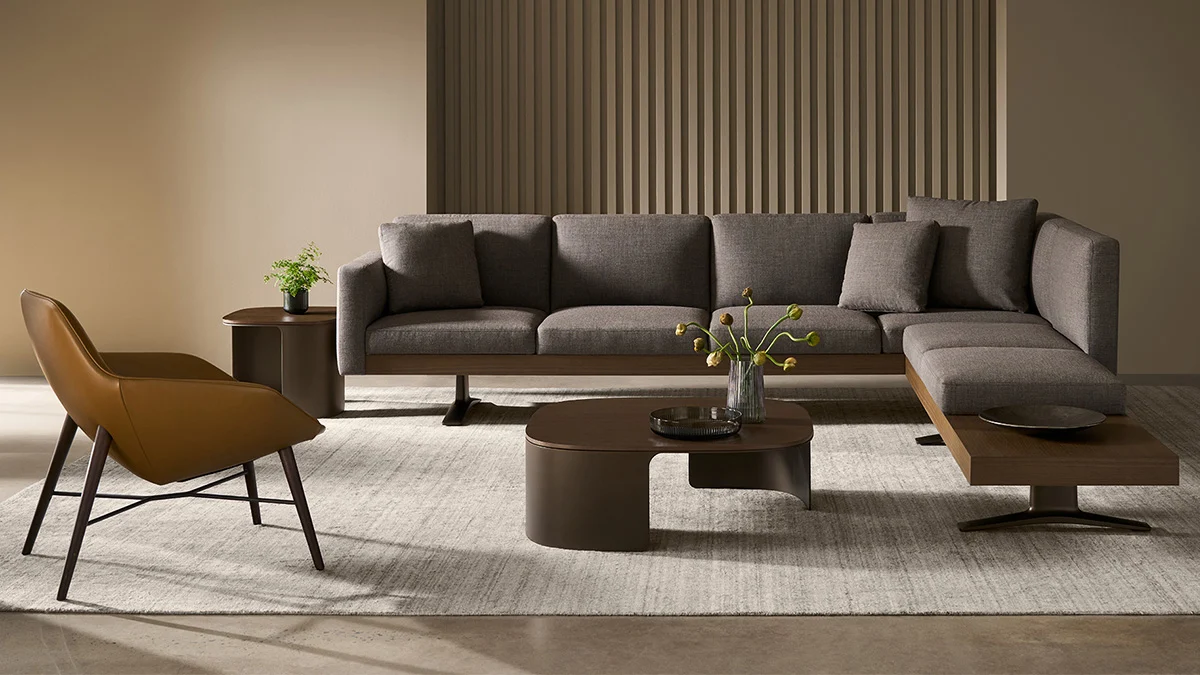
Original featureDavis Furniture Debuts Faba by Mario FerrariniDesign Milk · 20 October 2026 →
The Architecture of the Platform
Modular furniture systems often fail because their structural bases are too visually dominant or rigidly tethered to a single room layout. Ferrarini addresses this by anchoring the Faba system on a restrained, architectural platform that elevates the cushions, creating a sense of lightness that suits expansive open-plan living areas as well as compact urban apartments. By separating the structural support from the soft elements, the design allows owners to refresh high-wear components without replacing the entire asset.
When evaluating seating for premium real estate, permanence should be prioritized over transient trends. A well-engineered platform built from durable timber or metal alloys provides a neutral architectural baseline. This approach ensures the furniture can transition through multiple interior refits, protecting the initial capital outlay much like investing in herringbone parquet flooring or architectural joinery.
Material Honesty and Tactile Longevity
Material selection dictates how an interior ages. The Faba system relies on disciplined upholstery choices that favour tactile depth over loud patterns, aligning with a broader shift in high-end residential design towards understated materiality. Natural wools, textured bouclés, and full-grain leathers develop a desirable patina over time, signaling quality to prospective buyers during property viewings.
At varied budgets, the principle of material honesty remains consistent. Homeowners seeking to emulate this look without high-end expenditure can focus on slipcovers or cushions rendered in heavyweight, natural-fiber textiles. Avoiding synthetic sheens and overly treated surfaces prevents premature dating, ensuring the seating complements architectural elements rather than competing with them.
Proportion, Scale, and Spatial Flow
Furniture scale is frequently mishandled in contemporary developments, where oversized sectional sofas often overwhelm modest footprints, disrupting the natural circulation of light and air. Ferrarini’s design maintains a low profile, preserving sightlines through the room and enhancing the perceived volume of the space. This careful calibration of depth and height is essential for maintaining spatial harmony.
For buyers furnishing high-value properties, calculating clearance zones around modular furniture is as critical as assessing room dimensions. A successful layout allows light to penetrate deep into the floor plate, accentuating architectural details. Pieces that respect these spatial thresholds contribute to an interior that feels coherent, considered, and inherently more marketable.
- Prioritise modular systems with separate structural platforms and replaceable cushions to ensure long-term adaptability.
- Select natural, tactile upholstery materials like wool and leather that develop a refined patina over time.
- Keep seating profiles low to preserve sightlines and maximize the perceived volume of open-plan living areas.
- Avoid trend-driven patterns in large-scale furniture pieces, opting instead for neutral, enduring palettes.
- Ensure furniture scale respects room circulation to maintain seamless spatial flow and natural light penetration.
In the upper tiers of the international property market, interior flexibility directly influences liquidity. Homes staged with bespoke, adaptable furniture systems like Ferrarini's Faba appeal more broadly to discerning international buyers who value both immediate liveability and long-term asset agility. While loose furniture is rarely transferred as part of the permanent real estate asset, the visual narrative established by high-calibre design enhances perceived property value. Properties that demonstrate thoughtful spatial planning and enduring material choices command stronger rental yields and shorter time-on-market metrics compared to those encumbered by dated, inflexible layouts.
Related reads
Davis Furniture Debuts Faba by Mario Ferrarini (Design Milk, 20 Oct 2026)
Sources & credits
- Feature: Davis Furniture Debuts Faba by Mario Ferrarini — Design Milk. Linked, not reproduced.
- Main image: Design Milk, from the original feature linked above; all rights remain with the publisher and photographer.
- Headlines via Google News RSS; content belongs to the linked publishers.
Videos are embedded from their original YouTube channels and remain the property of their publishers; ClubProperty hosts no third-party footage or photography. Prices and details are as reported by the sources linked above at the time of writing. Nothing here is financial advice.
Artigos Relacionados
Timeless Design Choices from Mexico City’s Book‑Lined Bar
How material, light and layout in Em‑Estudio’s basement bar create lasting value and ideas…
Ler maisThe Architecture of Color: How to Use Bold Hues with Discipline
Master the application of saturated tones in premium interiors with strategic material pairing, lighting…
Ler maisIlluminating the Threshold: Exterior Lighting Design and Value
Explore how intentional exterior lighting design enhances residential appeal, balances atmosphere, and protects long-term…
Ler maisThe Architecture of Seasonal Interiors: Beyond the Trend Cycle
Explore how to integrate fleeting festive trends like the popular bow motif without compromising…
Ler mais