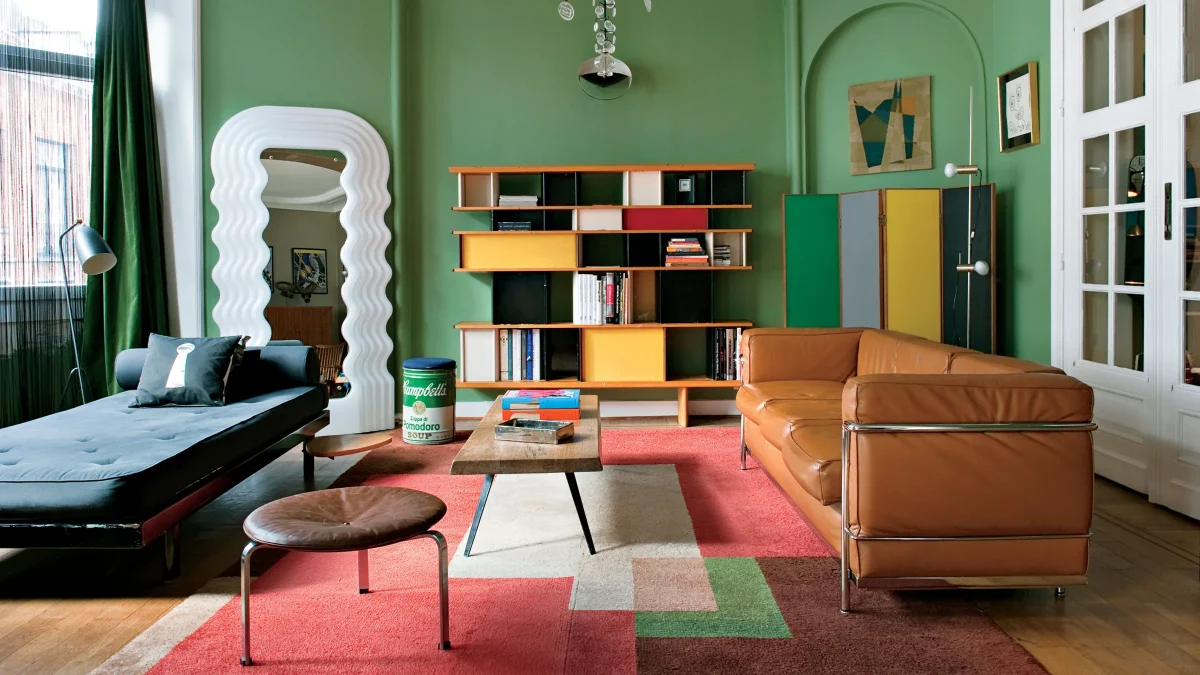
Full-length mirrors have evolved from functional dressing accessories into primary architectural tools for expanding spatial volume and refracting natural light. Recent design selections published in October 2026 highlight how large-scale reflective surfaces shape contemporary high-end interiors.
The Evolution of Vertical Reflection
In contemporary residential design, the role of the full-length mirror extends far beyond its traditional utility. Interior architects increasingly deploy oversized vertical glass to manipulate spatial perception, creating optical illusions of expanded square footage in urban apartments and corridor spaces. Rather than acting as mere wall hangings, these pieces are frequently integrated flush into millwork or positioned to anchor double-height entrance halls.
The placement of such elements requires precise calculation regarding sightlines and focal points. When positioned opposite expansive windows, a well-placed vertical mirror doubles the influx of daylight, transforming narrow hallways or compact reception rooms into luminous, breathable environments. This technique remains a fundamental strategy for designers working within restrictive urban footprints.
Materiality and Framing Context
The framing and structural support of premium mirrors dictate their architectural weight within a room. Current market trends emphasize materials that converse with existing interior palettes, ranging from blackened steel and unlacquered brass to sculptural, hand-carved hardwoods. The borderless or minimalist metal frame allows the glass to dominate, serving as a clean plane that reflects texture rather than imposing a heavy decorative object upon the wall.
Conversely, heavier frames in cast bronze or rich timbers provide a grounding counterweight in minimalist or transitional spaces. These pieces function much like fine art installations, requiring dedicated wall space and considered illumination to cast subtle shadows and highlights throughout the day.
Integration Within Luxury Floor Plans
Deploying large mirrors effectively demands an understanding of room geometry and human circulation. In primary dressing suites, freestanding pivoting mirrors offer functional flexibility while introducing a sculptural element to the floor plan. In narrower transition zones, wall-mounted installations prevent the room from feeling claustrophobic without encroaching on floor space.
Interior specialists note that the positioning must always serve a purpose—reflecting an architectural feature, an artwork, or a courtyard view rather than an unadorned partition. This deliberate framing ensures the reflection adds depth and narrative to the room rather than visual clutter.
- Position large vertical mirrors opposite light sources to maximise natural illumination in compact rooms.
- Select frame materials that complement existing architectural hardware, such as brass or blackened steel.
- Use flush-mounted mirrors in hallways to create the illusion of expanded volume without sacrificing floor space.
- Treat oversized mirrors as art installations, ensuring their reflections capture deliberate architectural views.
- Balance heavy wooden or metal frames with minimalist surroundings to maintain visual equilibrium.
In the high-end residential market, the perceived quality of interior finishes directly influences buyer sentiment during viewings. While loose furniture and accessories rarely transfer in a sale, built-in architectural elements—including bespoke joinery and strategically integrated mirrors—contribute to the cohesive narrative of a turnkey property. Properties that demonstrate thoughtful spatial planning and clever deployment of light often command stronger interest from international buyers seeking move-in-ready assets. Investing in high-grade architectural details elevates the baseline aesthetic, reinforcing the valuation of prime residential space.
Related reads
These Full-Length Mirrors Are Worth a Second Look (Architectural Digest, 23 Oct 2026)
8 Full-Length Mirrors That Make Every Room (and Outfit Photo) Look Better (The Spruce, 3 Sep 2026)
10 of the Most Genius Design Details From the 2026 House Beautiful Whole Home (House Beautiful, 9 Oct 2026)
The 5 Small-Space Standouts From IKEA's Latest Limited Collection | Reviews by Wirecutter (The New York Times, 22 Sep 2026)
Some of the best telescopes in 2026 could get cheaper for October Prime Day (Space, 18 Sep 2026)
Sources & credits
- Feature: 12 Best Full-Length Mirrors for Picturesque Spaces (2026) — Architectural Digest. Linked, not reproduced.
- Main image: Architectural Digest, from the original feature linked above; all rights remain with the publisher and photographer.
- Headlines via Google News RSS; content belongs to the linked publishers.
Videos are embedded from their original YouTube channels and remain the property of their publishers; ClubProperty hosts no third-party footage or photography. Prices and details are as reported by the sources linked above at the time of writing. Nothing here is financial advice.
Связанные статьи
Timeless Design Choices from Mexico City’s Book‑Lined Bar
How material, light and layout in Em‑Estudio’s basement bar create lasting value and ideas…
Читать далееThe Architecture of Color: How to Use Bold Hues with Discipline
Master the application of saturated tones in premium interiors with strategic material pairing, lighting…
Читать далееIlluminating the Threshold: Exterior Lighting Design and Value
Explore how intentional exterior lighting design enhances residential appeal, balances atmosphere, and protects long-term…
Читать далееThe Architecture of Seasonal Interiors: Beyond the Trend Cycle
Explore how to integrate fleeting festive trends like the popular bow motif without compromising…
Читать далее