





Physical retail is undergoing a profound architectural shift as brands abandon minimalist white boxes in favour of immersive, domestic environments. As reported by Architectural Digest in November 2026, leading designers are rewriting the rules of commercial spaces to compete with the comfort of home.
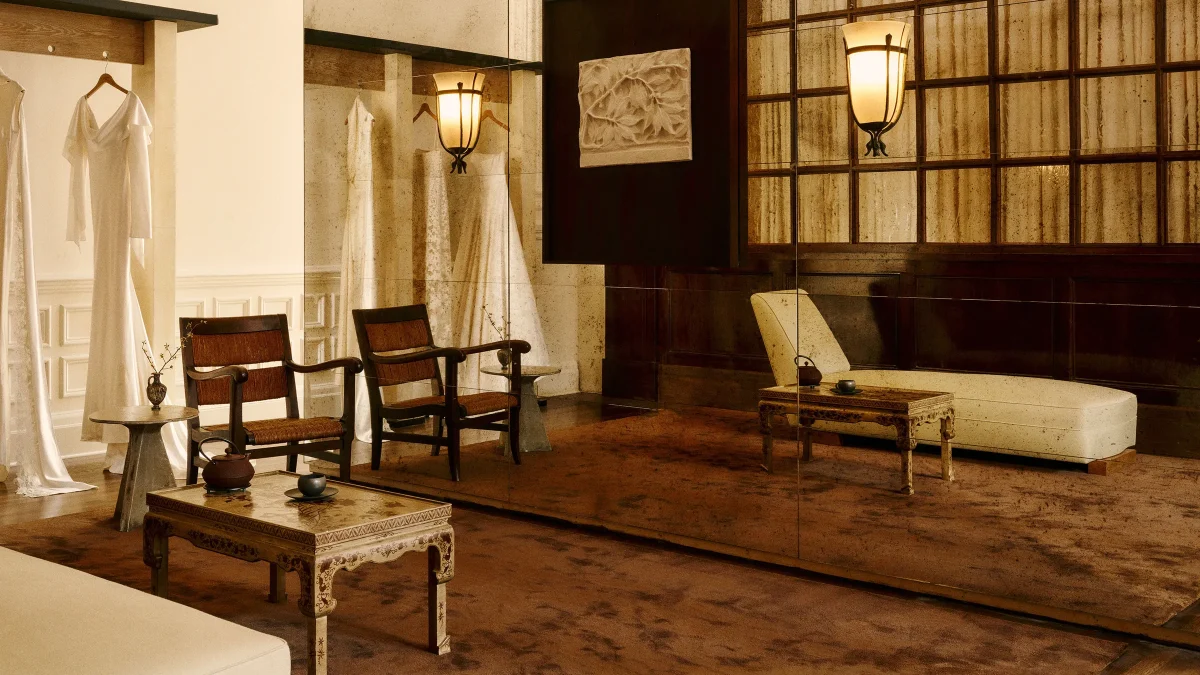
Prioritising Residential Comfort
The traditional high-street layout featuring stark lighting and densely packed product racks is rapidly losing favour among luxury brands. Modern flagships increasingly mirror private residences, incorporating bespoke upholstery, soft perimeter lighting, and residential-grade joinery that encourages prolonged dwell times.
Designers are deploying tactile materials such as travertine, Bouclé, and dark-stained oak to create sensory engagement that digital storefronts cannot replicate. This shift treats the retail floor less as a transactional warehouse and more as an extension of a collector’s living room.
Spatial Narrative and Zoning
Successful contemporary retail design relies on cinematic pacing, guiding visitors through distinct architectural chapters rather than a single open-plan floor. Thresholds are defined by changes in ceiling height, flooring materials, and acoustic baffling.
Private VIP salons are now integrated deeply into the core footprint rather than relegated to back-of-house areas. These secluded spaces often feature custom artwork and dedicated service bars, catering to high-net-worth clients who demand absolute discretion while viewing collections.
Integrating Craft and Locality
Global flagship stores are moving away from cookie-cutter corporate branding in favour of hyper-local architectural references. Commissioning site-specific works from regional ceramicists, stonemasons, and metalworkers grounds the commercial space in its geographic context.
This integration of vernacular architecture not only satisfies discerning consumers seeking authenticity but also future-proofs the real estate asset by embedding cultural relevance into the physical fabric of the building.
- Treat commercial interiors with residential warmth to increase visitor dwell time.
- Use tactile materials like natural stone and textured woods to engage the senses.
- Incorporate private, secluded consultation zones for high-value transactions.
- Anchor global brand concepts with local craftsmanship and vernacular materials.
- Design spatial pacing to guide consumers through distinct architectural chapters.
For investors holding high street and flagship retail assets, tenant adaptability is paramount. Brands investing heavily in bespoke, experiential interiors are signaling long-term commitments to physical locations, often translating into more stable, long-lease covenants. Properties capable of accommodating complex MEP requirements—such as specialized art lighting, integrated acoustic zoning, and heavy stone installations—command significant rental premiums. Understanding these spatial demands helps landlords evaluate which retail concepts will successfully weather shifts in consumer habits and maintain capital value over successive lease cycles.
Related reads
5 New Retail Design Rules, According to Experts (Architectural Digest, 17 Nov 2026)
8 Signs You Secretly Think Like an Interior Designer, According to Experts (House Beautiful, 14 Oct 2026)
19 Things to Never Buy at a Thrift Shop, According to Experts (Martha Stewart, 27 Sep 2026)
Best Down Pillows of 2026 (Sleep Foundation, 28 Sep 2026)
Why Experts Say You Should Stop Wrapping Leftovers In Aluminum Foil (Southern Living, 26 Oct 2026)
Sources & credits
- Feature: 5 New Retail Design Rules, According to Experts — Architectural Digest. Linked, not reproduced.
- Main image: Architectural Digest, from the original feature linked above; all rights remain with the publisher and photographer.
- Headlines via Google News RSS; content belongs to the linked publishers.
Videos are embedded from their original YouTube channels and remain the property of their publishers; ClubProperty hosts no third-party footage or photography. Prices and details are as reported by the sources linked above at the time of writing. Nothing here is financial advice.
Связанные статьи
Designing the Modern Flagship: Retail as Physical Portfolio
Explore how interior designers and premium brands leverage physical retail spaces to convert foot…
Читать далееBiomimetic Architecture: The Rise of Floral Design
Explore how architects globally translate floral geometry into landmark real estate, from high-rises in…
Читать далееColour-Blocking and Organic Form in Barcelona
Explore how Barcelona studio Isern Serra uses colour-blocking and organic forms in the Eixample…
Читать далееThe Domestic Blueprint: What Retail Design Teaches Real Estate
Retail design is shifting toward residential layouts. We examine the West Hollywood Lulu and…
Читать далее