Tokyo remains one of the world's most dynamic architectural laboratories, where density and innovation converge. A newly published roster by Architizer highlights thirty practices currently defining the capital's residential and commercial landscape.
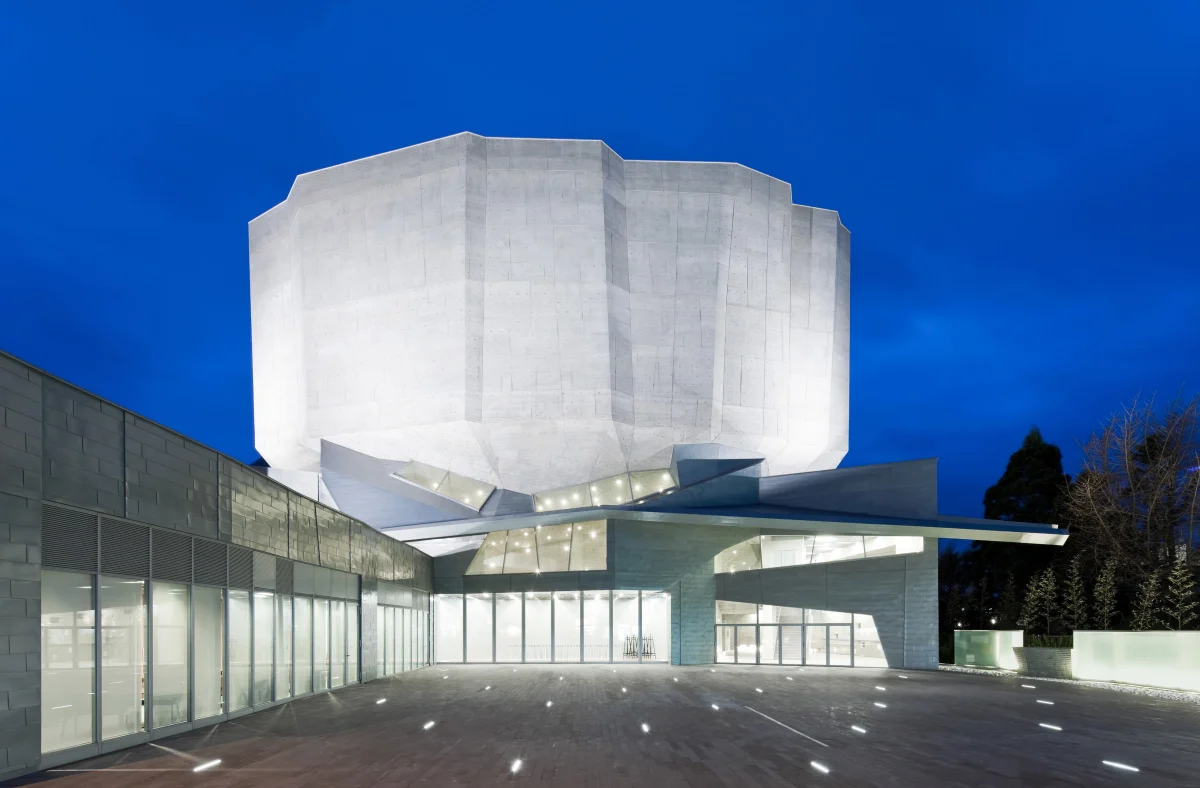
Original feature30 Best Architecture and Design Firms in TokyoArchitizer Journal · 9 October 2026 →
The Context of Density
Designing premium residences in Tokyo requires a mastery of spatial economy. Unlike their Western counterparts, Tokyo architects frequently work with constrained, irregular plots hemmed in by dense urban fabric. This spatial limitation has fostered a unique typology of high-end homes that turn inward, utilizing internal courtyards, lightwells, and multi-level vertical stacking to secure privacy and natural illumination without sacrificing square footage.
The city’s regulatory framework, including strict height limits and setback rules, further shapes the architectural output. Rather than treating these constraints as hindrances, leading Tokyo studios use them to generate sculptural forms. The resulting properties often feature layered facades, cantilevered volumes, and unexpected roof terraces that maximize every square metre of usable space.
Materiality and Craft
Contemporary Japanese residential design places immense emphasis on material honesty and tactile detail. Exposed concrete, untreated timber, and perforated metal screens are deployed not merely as surface finishes, but as structural expressions that age gracefully alongside the building. This approach reflects a deep-rooted architectural heritage updated for modern luxury living.
Craftsmanship remains a vital differentiator in the Tokyo market. Whether it is meticulously joined timber frameworks referencing traditional carpentry or bespoke steel fabrication, the execution of architectural detail elevates these properties from mere dwellings to functional art pieces. For international buyers, this convergence of artisanal precision and contemporary engineering represents a compelling value proposition.
Performance and Longevity
Beyond aesthetic appeal, Tokyo’s top-tier architectural firms engineer buildings to perform under rigorous environmental and seismic demands. Structural resilience is integrated seamlessly into the design phase, ensuring that high-end homes offer both sanctuary and security. Advanced seismic damping systems and earthquake-resistant framing are standard expectations in the upper echelons of the market.
Energy efficiency and passive climate control are increasingly central to the design brief. Despite urban density, architects implement sophisticated insulation, double or triple glazing, and natural ventilation strategies that reduce mechanical cooling loads. This focus on long-term structural and environmental performance appeals directly to discerning investors seeking durable, future-proof assets in a primary global hub.
- Embrace vertical zoning and internal lightwells to maximize light in high-density urban plots.
- Prioritise material honesty, using exposed concrete and natural timber for longevity and tactile appeal.
- Integrate advanced seismic engineering seamlessly into the primary structural design.
- Utilise passive ventilation and modern insulation to enhance energy performance without compromising aesthetics.
- Collaborate with specialized local practices to navigate complex municipal building regulations.
Tokyo's prime residential market offers distinct stability underpinned by high architectural standards and constrained land supply. Properties designed by leading local firms consistently command premium valuations and exhibit robust liquidity. For international investors, acquiring a well-engineered, architecturally significant home in central wards provides a reliable hedge against currency fluctuations, coupled with strong capital preservation prospects. As global recognition of Japanese contemporary design grows, these properties increasingly function as blue-chip global assets.
Related reads
AIA Twenty-five Year Award (The American Institute of Architects: AIA, 28 Aug 2026)
38 Best Hotels in Tokyo for Ryokan Stays and High-Rise Views (Condé Nast Traveler, 28 Aug 2026)
Dezeen Awards 2026 interiors shortlist revealed (Dezeen, 22 Sep 2026)
Kiwame Tokyo Yane Translates Japanese Temple Architecture Into a Distinctive Watch (stupidDOPE, 24 Aug 2026)
12 Tokyo Speakeasies and Hidden Bars Worth Seeking Out (MICHELIN Guide, 14 Aug 2026)
Sources & credits
- Feature: 30 Best Architecture and Design Firms in Tokyo — Architizer Journal. Linked, not reproduced.
- Main image: Architizer Journal, from the original feature linked above; all rights remain with the publisher and photographer.
- Headlines via Google News RSS; content belongs to the linked publishers.
Videos are embedded from their original YouTube channels and remain the property of their publishers; ClubProperty hosts no third-party footage or photography. Prices and details are as reported by the sources linked above at the time of writing. Nothing here is financial advice.
Связанные статьи
Timeless Design Choices from Mexico City’s Book‑Lined Bar
How material, light and layout in Em‑Estudio’s basement bar create lasting value and ideas…
Читать далееThe Architecture of Color: How to Use Bold Hues with Discipline
Master the application of saturated tones in premium interiors with strategic material pairing, lighting…
Читать далееIlluminating the Threshold: Exterior Lighting Design and Value
Explore how intentional exterior lighting design enhances residential appeal, balances atmosphere, and protects long-term…
Читать далееThe Architecture of Seasonal Interiors: Beyond the Trend Cycle
Explore how to integrate fleeting festive trends like the popular bow motif without compromising…
Читать далее