Lighting design serves as the critical finishing layer in high-value residential properties, defining spatial depth and functional mood. Recent editorial roundups from interior publications highlight a sustained market preference for sculptural, artisanal luminaires in luxury settings.
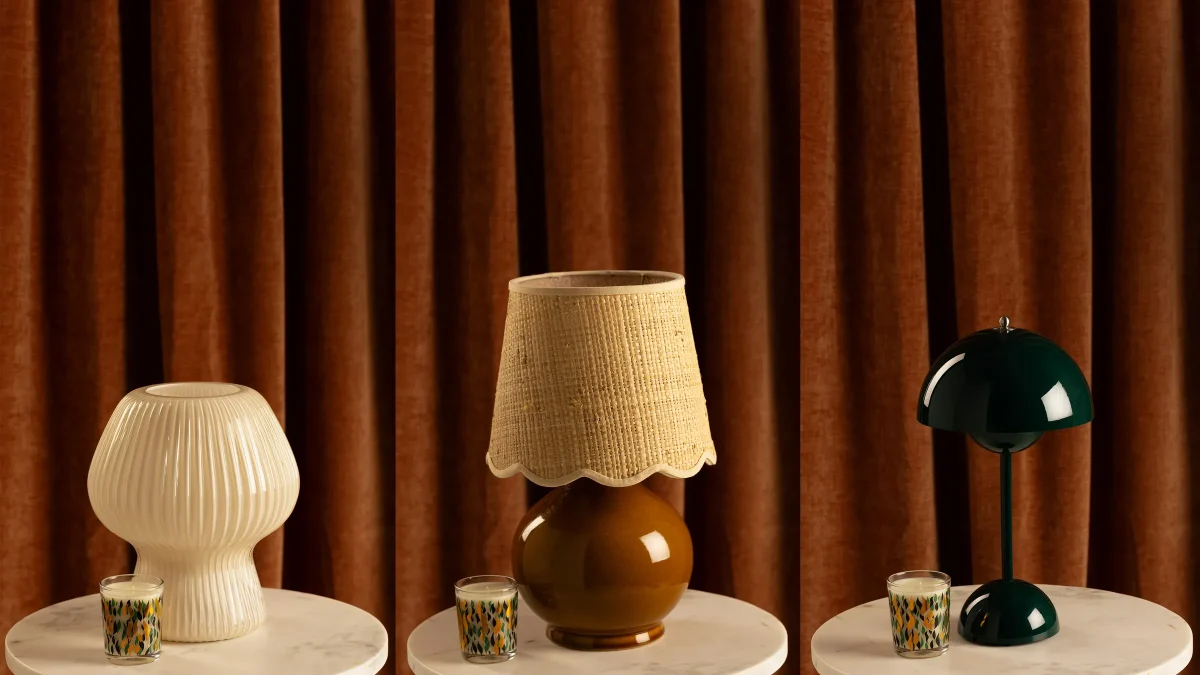
Original feature10 Best Bedside Lamps & Table Lamps (2026)Architectural Digest · 29 October 2026 →
The Layered Approach to Residential Lighting
In premium real estate, relying on a single overhead light source undermines the architectural integrity of a room. Interior designers consistently advocate for a tripartite lighting strategy comprising ambient, task, and accent illumination. Table and bedside lamps occupy the crucial intersection of task and accent layers, providing pools of warm light that draw the eye across a floor plan and soften rigid architectural lines.
Recent market analyses of interior trends indicate growing demand for fixtures that function as sculptural objects even when unilluminated. Whether placed on a custom walnut nightstand or a marble console in a reception hall, the modern table lamp acts as a focal point that anchors the surrounding furniture arrangement and establishes the room’s textural hierarchy.
Materials, Craftsmanship, and Provenance
The material palette of high-end table lamps has evolved to reflect broader luxury interior movements. Solid brass, patinated bronze, hand-blown Murano glass, and ribbed ceramics dominate current design offerings. These tactile finishes introduce organic variation and visual weight to a space, resisting the sterile uniformity often associated with mass-produced alternatives.
Buyers and designers increasingly evaluate luminaires through the lens of longevity and provenance. Artisanal pieces crafted by established design houses or independent ceramicists hold their aesthetic value over time. Integrated LED technology, dimming capabilities, and replaceable components are now standard expectations at the top end of the market, ensuring that functionality matches aesthetic ambition.
Proportion, Scale, and Spatial Integration
Selecting the correct scale for a table lamp requires careful calculation relative to the supporting furniture and the room volume. An oversized shade can overwhelm a compact bedside table, while an undersized base looks insubstantial against a generous sideboard or executive desk. Standard interior guidelines suggest that the combined height of the table and lamp should align comfortably with eye level when seated or resting.
Cord management and switch placement further dictate the success of a lighting scheme. Premium installations often incorporate floor sockets or integrated USB-C charging ports to maintain clean lines without visible wiring. Thoughtful placement near architectural features—such as textured plaster walls, wood panelling, or artwork—enhances the interplay of shadow and illumination across the interior envelope.
- Prioritise a layered lighting scheme that combines ambient, task, and accent sources rather than relying on overhead fixtures.
- Select table lamps with substantial materials such as solid brass, ceramics, or hand-blown glass to add tactile depth.
- Ensure proper scale by matching the lamp's height and footprint to the supporting furniture and room volume.
- Incorporate dimming capabilities to easily transition a room's atmosphere from functional daylight to evening relaxation.
- Evaluate fixtures for longevity, opting for reparable components and modern integrated LED technology where appropriate.
While movable decorative items like table lamps are rarely included in permanent real estate transactions, their deployment during property viewings significantly influences buyer perception. High-end interior staging relies on sophisticated lighting to create a sense of volume, warmth, and liveability that flat photography often struggles to capture. Properties outfitted with thoughtfully chosen, architectural-grade luminaires project an aura of completed luxury, reducing the psychological distance for prospective buyers imagining themselves in the space. For investors and developers preparing premium homes for the international market, investing in quality lighting design enhances the perceived value of the entire interior package and accelerates sales velocity.
Related reads
The 13 Best Bedside Lamps for Reading, Relaxing, and Winding Down (The Spruce, 2 Sep 2026)
Does Your Desk Lamp Need a Glowup? Here Are 13 Great Options. (The New York Times, 10 Sep 2026)
The Best Table Lamps, According to Interior Designers (New York Magazine, 18 Sep 2026)
AD Editors Spotlight the Best Floor Lamps of All Kinds (Architectural Digest, 2 Sep 2026)
Cordless Lamps Are the Ultimate Moodsetter—Here Are the 17 Best Ones (House Beautiful, 14 Oct 2026)
Sources & credits
- Feature: 10 Best Bedside Lamps & Table Lamps (2026) — Architectural Digest. Linked, not reproduced.
- Main image: Architectural Digest, from the original feature linked above; all rights remain with the publisher and photographer.
- Headlines via Google News RSS; content belongs to the linked publishers.
Videos are embedded from their original YouTube channels and remain the property of their publishers; ClubProperty hosts no third-party footage or photography. Prices and details are as reported by the sources linked above at the time of writing. Nothing here is financial advice.
Related Articles
Timeless Design Choices from Mexico City’s Book‑Lined Bar
How material, light and layout in Em‑Estudio’s basement bar create lasting value and ideas…
Read moreThe Architecture of Color: How to Use Bold Hues with Discipline
Master the application of saturated tones in premium interiors with strategic material pairing, lighting…
Read moreIlluminating the Threshold: Exterior Lighting Design and Value
Explore how intentional exterior lighting design enhances residential appeal, balances atmosphere, and protects long-term…
Read moreThe Architecture of Seasonal Interiors: Beyond the Trend Cycle
Explore how to integrate fleeting festive trends like the popular bow motif without compromising…
Read more