Architectural innovation increasingly turns to biomimicry, translating the radial symmetry of petals into functional high-rise and civic forms. A recent survey reported by Architectural Digest highlights eleven notable structures worldwide that successfully embrace botanical geometry.
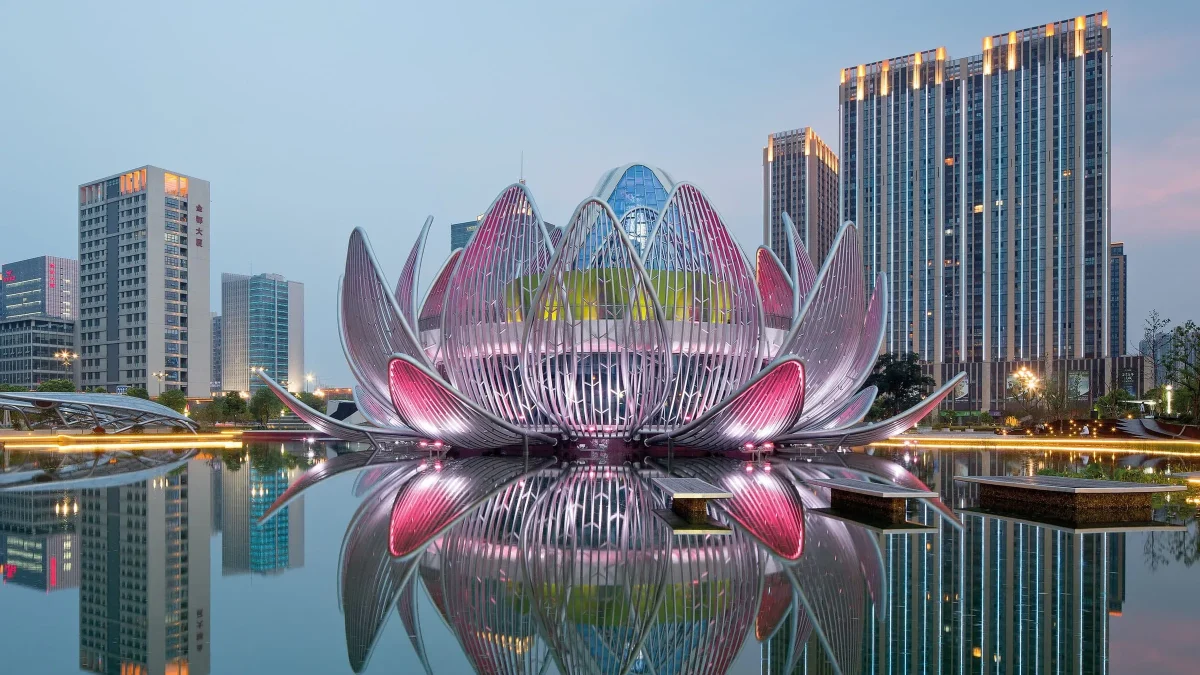
The Geometry of Blossoms in Structural Engineering
Translating organic forms into rigid construction materials demands advanced computational design. Architects look to the structural efficiency of petals, where natural curves distribute weight and resist environmental loads with minimal mass. This approach moves beyond mere aesthetics, offering functional solutions for ventilation, natural light penetration, and aerodynamic stability in dense urban environments.
The translation of biological blueprints into concrete, steel, and glass requires sophisticated engineering. Radial symmetry, once reserved for classical rotundas, now dictates the floor plates of modern commercial towers and cultural institutions, creating interior spaces defined by uninterrupted spans and dramatic ceiling heights.
Global Manifestations: From Doha to Delhi
The geographical distribution of these botanical landmarks spans diverse cultures and climates. As reported by Architectural Digest, eleven distinct buildings around the globe utilise floral motifs as their primary structural armature. These range from towering commercial high-rises in Qatar to intricate temples in India, demonstrating the universal appeal of floral geometry across different building typologies.
In the United States, similar biomimetic principles find expression in civic and cultural projects that break away from orthogonal grid planning. These structures serve as focal points for urban regeneration, proving that organic design languages can anchor contemporary masterplans just as effectively as traditional monuments.
Implications for Premium Real Estate and Urban Fabric
Iconic architecture frequently serves as a catalyst for surrounding property values. Buildings with distinctive, recognizable silhouettes command higher rental yields and attract multinational tenants seeking headquarters with a definitive brand identity. When developers incorporate biomimetic forms into mixed-use precincts, the resulting public realm tends to achieve higher footfall and sustained long-term desirability.
Furthermore, the functional advantages of floral-inspired footprints—such as increased perimeter surface area for daylighting—align with modern sustainability benchmarks. As international investors place greater emphasis on environmental performance alongside aesthetic distinction, architectural innovation becomes a key driver of asset liquidity.
- Biomimicry enhances structural efficiency while delivering distinctive aesthetic value.
- Radial floor plans inspired by petals can optimize natural light and interior space distribution.
- Landmark architectural design acts as a proven catalyst for district regeneration and tenant demand.
- Sustainability benchmarks are increasingly integrated with organic, fluid building forms.
- Global architectural surveys highlight a growing appetite for non-orthogonal commercial and civic real estate.
In competitive global markets, buildings with unique architectural narratives consistently outperform generic stock in terms of capital preservation and rental resilience. While the construction and engineering costs associated with complex biomimetic geometries are undeniably higher, the premium commanded by landmark status often justifies the initial outlay. Properties that anchor a district's visual identity benefit from insulated liquidity during market corrections, appealing strongly to institutional funds and private family offices seeking trophy assets with enduring cultural relevance.
Related reads
The 11 Most Beautiful Flower-Inspired Buildings Across the Globe—and One Is in the United States (Architectural Digest, 6 Oct 2026)
11 beautiful flower-inspired buildings around the world, including one in India (Architectural Digest India, 6 Sep 2026)
Sources & credits
- Feature: Beautiful Flower-Inspired Buildings Across the Globe—and One Is in the United States — Architectural Digest. Linked, not reproduced.
- Main image: Architectural Digest, from the original feature linked above; all rights remain with the publisher and photographer.
- Headlines via Google News RSS; content belongs to the linked publishers.
Videos are embedded from their original YouTube channels and remain the property of their publishers; ClubProperty hosts no third-party footage or photography. Prices and details are as reported by the sources linked above at the time of writing. Nothing here is financial advice.
Articoli correlati
Evaluating the US Housing Market Through Regional Rankings
An analysis of the Architectural Digest 2026-2027 index for the US, examining how lifestyle…
Leggi di piùTimeless Design Choices from Mexico City’s Book‑Lined Bar
How material, light and layout in Em‑Estudio’s basement bar create lasting value and ideas…
Leggi di piùThe Architecture of Color: How to Use Bold Hues with Discipline
Master the application of saturated tones in premium interiors with strategic material pairing, lighting…
Leggi di piùIlluminating the Threshold: Exterior Lighting Design and Value
Explore how intentional exterior lighting design enhances residential appeal, balances atmosphere, and protects long-term…
Leggi di più