Selecting a kitchen backsplash requires balancing aesthetic restraint with high-performance durability to protect a primary residential asset. Designers increasingly advise moving away from short-lived decorative fads in favour of tactile, enduring materials that anchor the room.
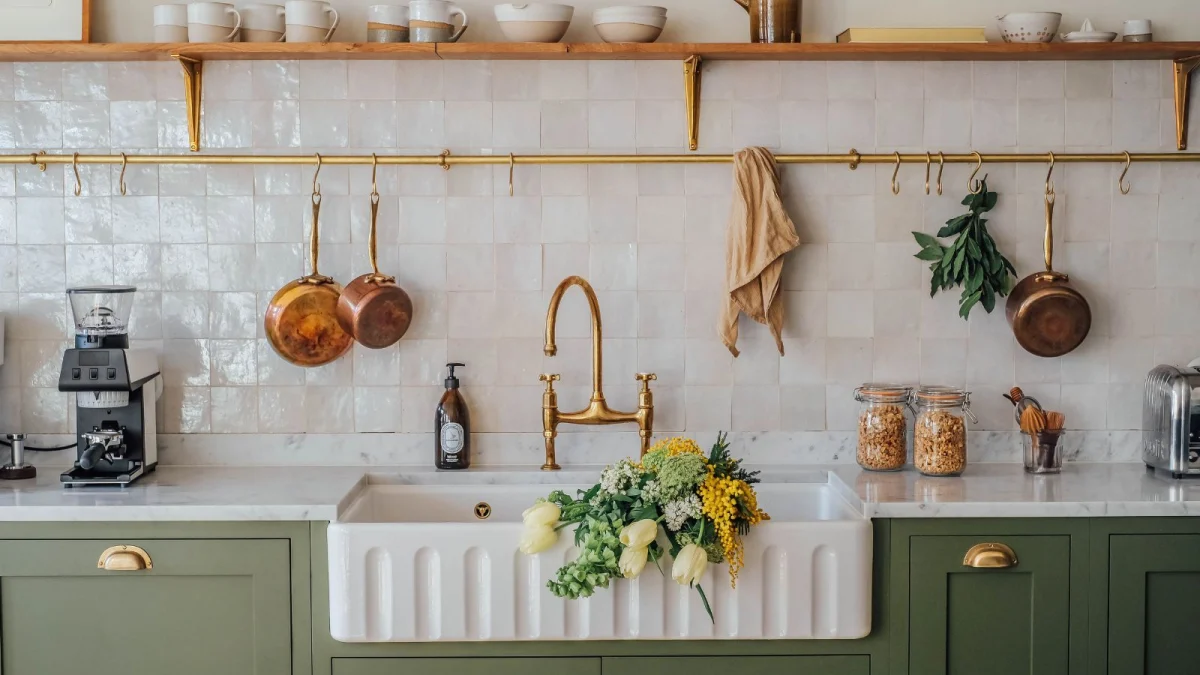
Original featureHow to Choose a Kitchen BacksplashHomes & Gardens · 8 October 2026 →
Materiality and Architectural Longevity
The primary structural function of a backsplash is to protect vertical surfaces from moisture, heat, and grease, yet it often dictates the visual hierarchy of the kitchen. Recent design commentary highlights a shift away from intricate, highly patterned mosaic tiles, which tend to anchor a room to a specific decade and complicate future resale. Instead, buyers and renovators gravitate towards continuous stone slabs that mirror the countertop.
Using the same marble, quartzite, or engineered stone for both horizontal and vertical surfaces creates a seamless architectural envelope. This approach reduces visual clutter and presents a cleaner, more expensive finish that appeals directly to discerning property buyers. When natural stone is chosen, selecting a honed or leathered finish rather than a high gloss helps conceal everyday water spots and minor etching.
Continuity, Light, and Scale
Light interaction is a critical determinant of perceived quality in high-end kitchens. Reflective surfaces, such as polished tiles or glossy glazed ceramics, can bounce natural light deep into open-plan living spaces, but they also highlight grease and finger marks. A slab backsplash with subtle veining introduces organic movement without overwhelming the visual field.
Proportion matters significantly. Extending the slab or tile all the way to the underside of the upper cabinetry—or running it uninterrupted behind extraction hoods—creates a bespoke, architectural quality. Grout lines, while traditional, break up the plane; minimising their frequency through large-format tiles or full-height slabs elevates the perceived craftsmanship of the installation.
Practicality, Maintenance, and Grout
A kitchen must function as a workspace before it functions as a showroom. Porous materials like Carrara marble require professional sealing to prevent staining from acidic foods such as lemon juice or wine. For households that cook frequently, durable alternatives like porcelain slabs offer the visual fidelity of natural stone with near-zero porosity and high resistance to thermal shock.
Where tiles are preferred, epoxy grout is increasingly specified over cement-based options. Cement grout is porous and prone to discolouration near hob areas, whereas epoxy provides a stain-resistant, waterproof barrier that maintains its original colour for years, reducing ongoing maintenance overheads.
Scaling Choices Across Budgets
Achieving an enduring look does not inherently require top-tier natural stone. At more accessible price points, large-format porcelain or ceramic tiles laid with tight, colour-matched joints can replicate the clean lines of a slab installation at a fraction of the cost.
Conversely, artisanal zellige or hand-pressed ceramic tiles offer tactile variation and subtle light reflection that adds character to historic properties. While individual tiles may vary in thickness and edge profile, requiring a skilled installer, this traditional craftsmanship introduces a layer of authenticity that mass-produced glazed tiles cannot match.
- Opt for full-height stone slabs over intricate mosaics to maximise visual continuity and resale appeal.
- Specify honed or leathered stone finishes to minimise the visibility of water spots and daily wear.
- Use epoxy grout with tiled backsplashes to prevent staining and degradation near cooking zones.
- Consider large-format porcelain as a durable, low-maintenance alternative to high-cost natural marble.
- Match the backsplash material to the countertop to create an uncluttered, architectural aesthetic.
Kitchens remain the primary engine of domestic resale value. Prospective buyers frequently evaluate a property based on the perceived quality of the kitchen and bathrooms. Investing in premium, timeless materials for vertical surfaces—such as continuous stone slabs or high-grade ceramics—signals to the market that the wider property has been constructed or renovated without compromise. Faddish tiles or cheap synthetic laminates immediately signal deferred maintenance or a pending renovation cost, which sophisticated buyers factor directly into their initial offers.
Related reads
12 Gorgeous Kitchen Backsplash Trends Interior Designers Love (Martha Stewart, 3 Sep 2026)
5 Outdated Kitchen Backsplash Trends to Leave Behind, According to Designers (Homes and Gardens, 31 Aug 2026)
Ditch Tile Backsplash: Erin Napier's Unique Choice Has 10X The Charm (And Works With Any Style) (Tasting Table, 12 Sep 2026)
The 2 Best Kitchen Countertops for Busy Families—and 2 That Just Don’t Hold Up (Real Simple, 28 Aug 2026)
Christina Haack Has A Stylish Alternative For Subway Tile Backsplashes (AOL.com, 25 Sep 2026)
Sources & credits
- Feature: How to Choose a Kitchen Backsplash — Homes & Gardens. Linked, not reproduced.
- Main image: Homes & Gardens, from the original feature linked above; all rights remain with the publisher and photographer.
- Headlines via Google News RSS; content belongs to the linked publishers.
Videos are embedded from their original YouTube channels and remain the property of their publishers; ClubProperty hosts no third-party footage or photography. Prices and details are as reported by the sources linked above at the time of writing. Nothing here is financial advice.
Articoli correlati
Evaluating the US Housing Market Through Regional Rankings
An analysis of the Architectural Digest 2026-2027 index for the US, examining how lifestyle…
Leggi di piùTimeless Design Choices from Mexico City’s Book‑Lined Bar
How material, light and layout in Em‑Estudio’s basement bar create lasting value and ideas…
Leggi di piùThe Architecture of Color: How to Use Bold Hues with Discipline
Master the application of saturated tones in premium interiors with strategic material pairing, lighting…
Leggi di piùIlluminating the Threshold: Exterior Lighting Design and Value
Explore how intentional exterior lighting design enhances residential appeal, balances atmosphere, and protects long-term…
Leggi di più