New York remains a global crucible for contemporary design, seamlessly blending historic preservation with avant-garde retail and residential architecture. As recently highlighted in Condé Nast Traveler, navigating the city's creative corridors offers an instructive masterclass in urban aesthetics and high-value real estate.
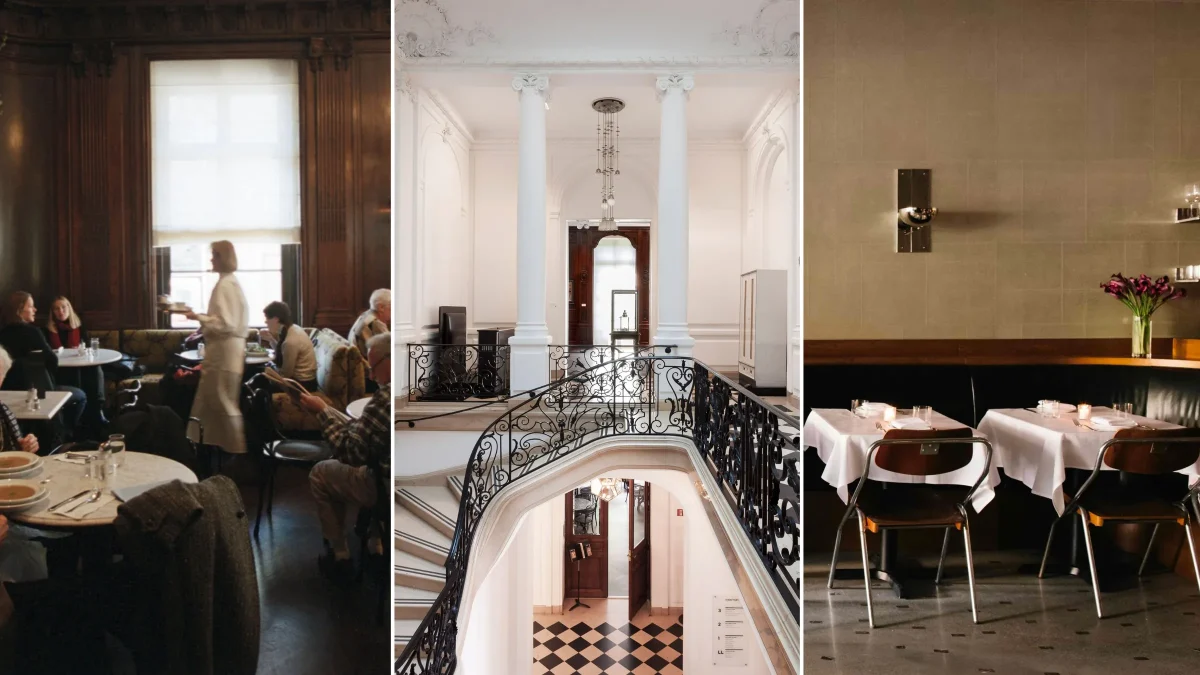
The Architectural Evolution of Soho and Tribeca
The southern districts of Manhattan provide a direct ledger of architectural transition, moving from nineteenth-century industrial utility to twenty-first-century residential luxury. Soho’s landmarked historic district contains the world’s largest collection of cast-iron architecture, where ornate facades mask former manufacturing warehouses. These structural frameworks have long defined the loft typology, characterised by high ceilings, expansive floor plates, and oversized windows.
Adjacent Tribeca trades cast-iron for nineteenth-century red brick and stone, maintaining an equally rigorous preservation ethos. The conversion of these industrial spaces into high-end residences established a blueprint for adaptive reuse globally. Walking these neighbourhoods reveals how historic industrial envelopes can be modernised for contemporary living without sacrificing structural integrity.
Midtown and the Upper East Side: Institutional Craft
Further north, the design narrative shifts from industrial utility to institutional scale and classical refinement. The concentration of world-class cultural institutions along Fifth Avenue and Madison Avenue establishes an immediate baseline for architectural quality. Limestone townhouses and pre-war cooperative apartment buildings showcase meticulous masonry and classical proportions that continue to command architectural reverence.
This precinct also serves as a primary hub for international interior design flagships and antique dealers. The proximity of these commercial showrooms to premier residential stock creates a micro-economy where aesthetic curation directly influences neighbourhood desirability and property valuation.
Contemporary Hubs: The Rise of NoMad and Chelsea
For those tracking contemporary urban development, NoMad and Chelsea represent the intersection of hospitality design, commercial galleries, and residential architecture. The transformation of Chelsea, anchored by the High Line, demonstrated the profound economic and aesthetic impact of linear park infrastructure on former industrial rail yards.
Boutique hotels and residential towers designed by internationally recognised architects have risen throughout these districts, introducing experimental facade materials and fluid interior layouts. These developments illustrate current shifts in luxury living, prioritising indoor-outdoor connectivity and bespoke wellness amenities over traditional compartmentalised floor plans.
- Prioritise adaptive reuse properties for enduring architectural character.
- Proximity to major cultural institutions underpins long-term residential liquidity.
- Observe how ground-floor retail and showroom curation dictates neighbourhood prestige.
- Study historical district zoning laws carefully when evaluating pre-war conversions.
Prime Manhattan real estate consistently outperforms broader market indices due to strict supply constraints and enduring international demand. Neighbourhoods heavily anchored by arts, architecture, and high-end retail—such as Soho, Tribeca, and Chelsea—command significant price premiums per square foot. For investors, properties situated near cultural anchors and pedestrianised design zones offer superior capital preservation and consistent rental yields. While transaction costs and municipal taxes remain notable, the underlying asset quality in these design-centric enclaves provides a robust hedge against economic volatility, as reported across various urban real estate analyses.
Related reads
A New York City Weekend Guide for Design Lovers (Condé Nast Traveler, 30 Oct 2026)
A Design Lover's Guide to Charleston, South Carolina (HGTV, 21 Sep 2026)
Fabien Vallérian Shares His Tokyo Picks for Art Week 2026 (whitewall.art, 30 Oct 2026)
Top Events & Festivals in Philadelphia: A Season-by-Season Guide for Fall 2026 & Beyond (Visit Philadelphia, 29 Oct 2026)
New York art exhibitions to see in November (Wallpaper*, 27 Oct 2026)
Sources & credits
- Feature: A New York City Weekend Guide for Design Lovers — Condé Nast Traveler. Linked, not reproduced.
- Main image: Condé Nast Traveler, from the original feature linked above; all rights remain with the publisher and photographer.
- Headlines via Google News RSS; content belongs to the linked publishers.
Videos are embedded from their original YouTube channels and remain the property of their publishers; ClubProperty hosts no third-party footage or photography. Prices and details are as reported by the sources linked above at the time of writing. Nothing here is financial advice.
関連記事
Evaluating the US Housing Market Through Regional Rankings
An analysis of the Architectural Digest 2026-2027 index for the US, examining how lifestyle…
続きを読むHistoric Los Angeles Ranch Lists for $22.5 Million
Explore a 1934 Los Angeles ranch listed at $22,500,000 after a meticulous 26-year restoration…
続きを読むThe Architecture of Seasonal Interiors: Beyond the Trend Cycle
Explore how to integrate fleeting festive trends like the popular bow motif without compromising…
続きを読むRethinking the Checkerboard: The Brooklin Apartment
Küster Brizola Arquitetos transforms a 200-square-meter São Paulo residence, using a reimagined checkerboard floor…
続きを読む