As the focal point of seasonal entertaining, the kitchen demands a careful balance of aesthetic refinement and operational efficiency. Targeted design interventions often yield a better return on investment than a disruptive, full-scale structural overhaul.
The Architecture of Flow: Creating Dedicated Stations
During periods of heavy entertaining, kitchen congestion typically occurs around primary prep zones and refrigeration units. Interior designers frequently recommend establishing distinct, decentralized zones—such as a dedicated beverage station or an isolated coffee and cocktail bar—to keep guests out of the main cooking triangle. This requires minimal spatial reconfiguration, often utilizing existing counter runs or an underused sideboard.
Implementing these zones involves grouping functional glassware, specialized tools, and ingredients into discrete areas. By moving drink preparation away from the hob and oven, hosts can maintain a seamless workflow. In premium properties, integrated cabinetry panels can conceal these stations when not in use, preserving a clean, minimalist aesthetic across open-plan living spaces.
Tactile Authenticity: Ceramics, Stone, and Craftsmanship
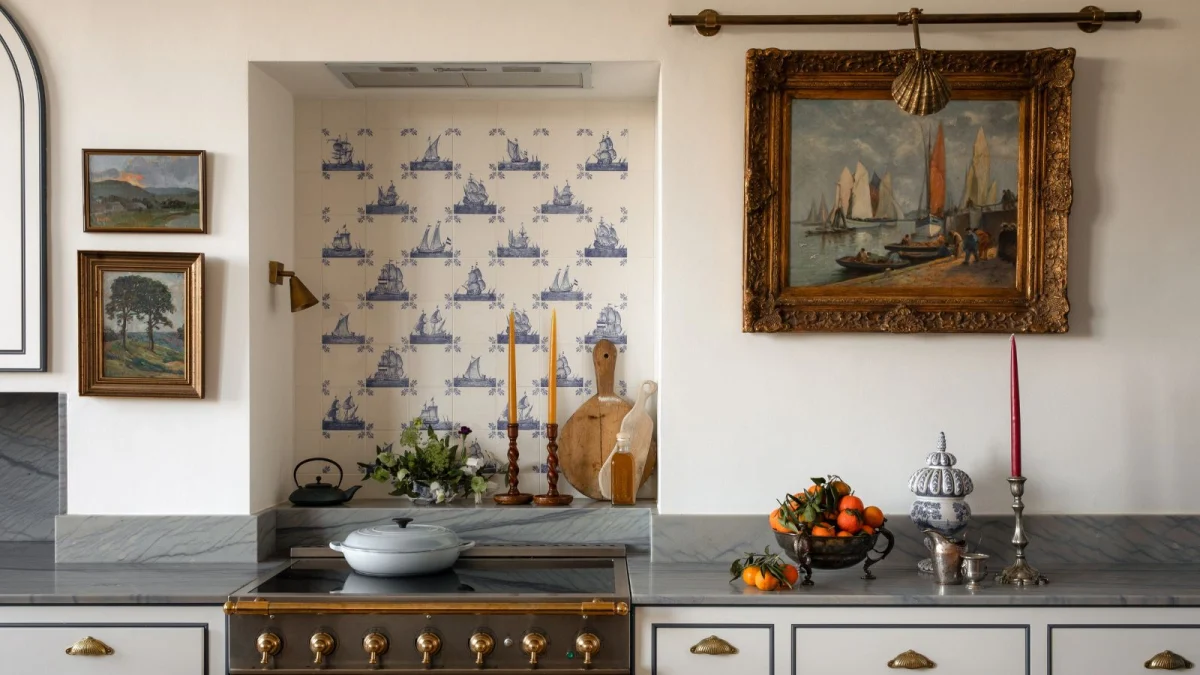
Surface textures heavily influence how a high-end kitchen feels during large gatherings. Replacing mass-produced tableware with artisanal ceramics introduces weight, varied glazes, and tactile interest that mass-market porcelain simply cannot replicate. Designers emphasize that physical touchpoints—from solid brass cabinet pulls to heavy stoneware serving platters—subtly communicate quality to discerning guests.
When selecting materials for temporary or permanent upgrades, prioritize durability and organic aging. Natural stones like honed marble or quartzite develop a rich patina over time, whereas synthetic laminates degrade under heavy seasonal use. Investing in hand-thrown ceramics and solid metal hardware elevates the everyday environment while remaining entirely portable should you relocate.
Layered Illumination and Atmospheric Control
Overhead recessed lighting alone rarely creates the sophisticated ambiance required for evening hosting. A sophisticated lighting scheme employs three distinct layers: task lighting for safe food preparation, ambient lighting for general room glow, and accent lighting to highlight architectural features or open shelving.
Incorporating dimmable picture lights above open shelving or installing under-cabinet LED strips with a warm colour temperature (around 2700K) transforms the mood instantly. Designers advise against stark, cool-toned white bulbs, which strip warmth from natural wood and stone surfaces. Upgrading existing fixtures to smart, dimmable systems allows the kitchen to transition effortlessly from a high-performance culinary workspace to an inviting social lounge.
- Establish secondary beverage stations to remove guests from the primary cooking triangle.
- Invest in tactile materials like solid brass hardware and artisanal ceramics that improve with age.
- Layer kitchen lighting using warm 2700K LEDs to transition easily from daytime prep to evening hosting.
- Prioritize reversible, high-impact surface updates over costly structural renovations for better asset efficiency.
- Use integrated cabinetry panels to conceal auxiliary appliances and maintain minimalist sightlines.
For property investors and high-end homeowners, the kitchen remains the most scrutinized room during a valuation or acquisition survey. However, a complete strip-out is rarely financially optimal, often failing to recoup its total cost upon resale. Instead, strategic capital allocation—upgrading touchpoints such as hardware, lighting architecture, and durable countertops—yields a superior return. Prospective buyers instantly recognize the distinction between superficial trends and enduring craftsmanship. High-grade materials like unlacquered brass, natural stone, and custom joinery signal underlying property quality, protecting asset value while keeping renovation outlays proportionate to potential capital appreciation.
Related reads
3 Things Designers Say Every Kitchen Needs Before Hosting for the Holidays (Homes and Gardens, 5 Nov 2026)
You Don’t Need a Full Renovation to Make Your Kitchen Look More Stylish—4 Expert Tips From Designers (The Spruce, 28 Sep 2026)
The 6 Biggest Kitchen Renovation Mistakes Designers Notice Most Often (Real Simple, 13 Sep 2026)
8 Brilliant Kitchen Upgrades We've Learned From Erin Napier (Tasting Table, 21 Oct 2026)
56 Small Kitchen Ideas With Big Style (HGTV, 22 Oct 2026)
Sources & credits
- Feature: 3 Simple Kitchen Upgrades Designers Recommend You Do Before Hosting for the Holidays — Homes & Gardens. Linked, not reproduced.
- Main image: Homes & Gardens, from the original feature linked above; all rights remain with the publisher and photographer.
- Headlines via Google News RSS; content belongs to the linked publishers.
Videos are embedded from their original YouTube channels and remain the property of their publishers; ClubProperty hosts no third-party footage or photography. Prices and details are as reported by the sources linked above at the time of writing. Nothing here is financial advice.
Связанные статьи
Decoding the 2027 Color Palettes for Premium Interiors
Analyse how upcoming 2027 paint palettes translate to enduring property value, balancing seasonal trends…
Читать далееThe Economics of Maximalist Interiors and Resale Appeal
How to balance bold, high-end interior styling with long-term property liquidity, drawing lessons from…
Читать далееCivic Architecture and Neighbourhood Value
Explore how forward-thinking civic architecture, from Québec conversions to Toronto urban treehouses, shapes premium…
Читать далееCurating Space: Atlântica House in São Paulo
Felipe Hess Arquitetos balances a major contemporary art collection with family life on a…
Читать далее