





The era of the uniform three-piece suite has formally ended in high-end residential design. Curating a sophisticated living room now relies on the deliberate assembly of disparate seating pieces rather than relying on manufacturer pairings.
The Anatomy of Scale and Proportion
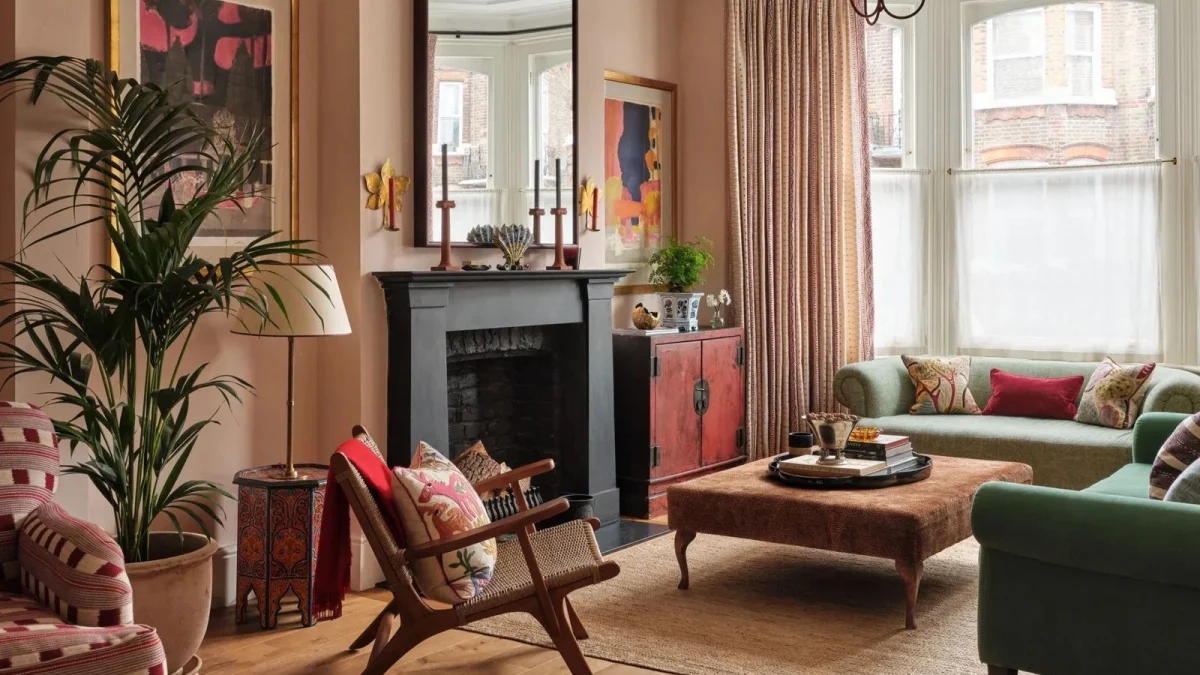
When combining different seating elements—such as a deep-cushioned sofa, a slender 1950s lounge chair, and an upholstered ottoman—success depends entirely on visual weight. Placing a heavy, low-slung modernist sofa directly opposite delicate, spindly-legged armchairs creates an unbalanced volume that disrupts the room’s axis. Designers manage this by balancing heavy upholstered silhouettes with lighter, exposed-frame pieces that allow light to pass through the furniture footprint.
Layout geometry also dictates success. Instead of pushing all seating against the perimeter walls, pull primary pieces inward to establish a distinct conversational zone. Anchor the grouping with a robust central rug that physically encompasses at least the front legs of every seat, binding disparate styles into a cohesive architectural composition.
Textural Layering and Material Discipline
Mixing seating styles requires strict discipline in material selection to avoid visual clutter. If you introduce a heavily patterned textile on an accent chair, ground the primary sofa in a solid, tactile neutral such as heavy linen, bouclé, or wool flannel. Contrast is vital: pair smooth top-grain leather with textured wovens, or polished dark walnut frames with brushed brass detailing.
According to recent design insights reported by interior specialists, continuity in wood finishes or metal accents acts as an invisible thread. Even if a mid-century armchair and a contemporary settee share no stylistic lineage, matching the warm undertones of their exposed timber legs establishes an intentional dialogue.
Investment Pieces Versus Fleeting Trends
For property investors and homeowners focused on asset longevity, understanding the distinction between trend-driven silhouettes and enduring craftsmanship is essential. Highly sculptural, novelty seating shapes often depreciate rapidly as aesthetic preferences shift. Conversely, classic proportions—such as a cleanly tailored Tuxedo sofa or mid-century armchairs by recognized makers—retain their residual value.
Allocating budget wisely means investing the majority of capital in the primary sofa, where internal frame construction (kiln-dried hardwood, eight-way hand-tied springs) dictates lifespan. Accent chairs and occasional seating offer low-risk opportunities to experiment with bolder design directions on a modest budget, as they can be easily reupholstered or replaced without disrupting the room’s foundational architecture.
- Balance heavy upholstered silhouettes with exposed-frame chairs to maintain visual airiness.
- Unify disparate seating styles by echoing timber tones or metal finishes across the room.
- Invest your primary budget in a solidly constructed, neutral foundational sofa.
- Use a generously sized rug to anchor floating furniture arrangements and define zones.
- Introduce pattern selectively on smaller occasional chairs rather than large statement pieces.
For premium property assets, flexible and thoughtfully curated interiors appeal more to discerning buyers than rigid, turnkey developer packages. High-end purchasers look for spaces that demonstrate architectural intelligence and spatial adaptability. Fixed, matching furniture suites often signal a lack of customization, whereas a layered room featuring a thoughtful mix of seating communicates enduring taste and quality. From a resale perspective, investing in exceptional foundational upholstery while keeping accent pieces versatile protects your capital and allows incoming owners to easily adapt the space to their own collections.
Related reads
Forget Matching Sets – 5 Smart Ways Designers Mix Living Room Seating So It Never Looks Mismatched (Homes and Gardens, 22 Nov 2026)
Sources & credits
- Feature: Forget Matching Sets – 5 Smart Ways Designers Mix Living Room Seating So It Never Looks Mismatched — Homes & Gardens. Linked, not reproduced.
- Main image: Homes & Gardens, from the original feature linked above; all rights remain with the publisher and photographer.
- Headlines via Google News RSS; content belongs to the linked publishers.
Videos are embedded from their original YouTube channels and remain the property of their publishers; ClubProperty hosts no third-party footage or photography. Prices and details are as reported by the sources linked above at the time of writing. Nothing here is financial advice.
Related Articles
The Return of Dark Wood in High-End Living Rooms
Explore how dark timber furniture brings architectural depth and enduring character to premium living…
Read moreRethinking the Kitchen: The Case for Living Room Seating
Discover how integrating living room-style furniture into an English country kitchen adds lasting warmth,…
Read moreNavigating Early-Season Furniture Sales for Premium Interiors
A strategic approach to high-end furniture procurement, focusing on investment pieces during early seasonal…
Read moreSourcing Premium Furniture During Seasonal Sales
Explore how international buyers approach seasonal furniture sales to furnish premium properties without compromising…
Read more