International architecture practices are increasingly transforming the urban fabric of Albania through state-backed development initiatives. This wave of high-profile construction has placed the Balkan nation at the center of contemporary design debates as of late 2026.
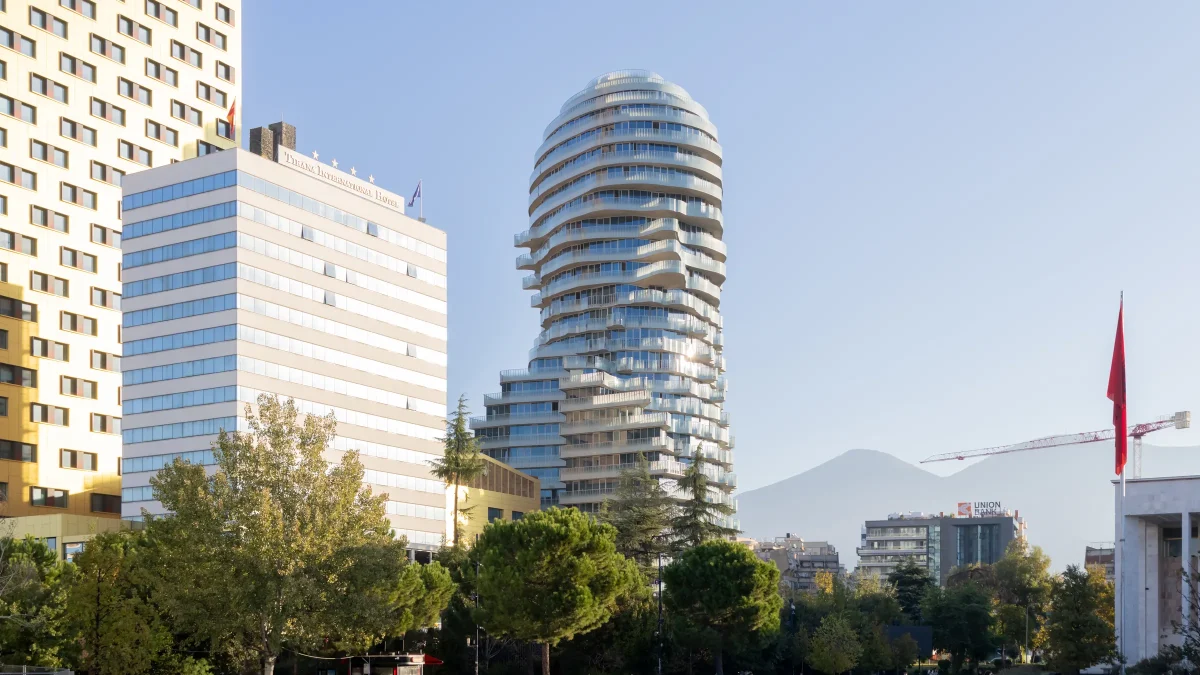
Transforming the Capital
Over recent years, the Albanian capital of Tirana has undergone a radical visual overhaul, driven by municipal strategies that embrace bold, avant-garde design. Public squares, mixed-use towers and masterplans signed by globally recognized practices have replaced remnants of the post-communist era. Reported widely in international architectural publications during late 2026, this shift represents a deliberate effort to brand the city as a burgeoning cultural and economic hub on the Adriatic rim.
The involvement of foreign design firms extends beyond isolated trophy structures into comprehensive urban regeneration schemes. Local authorities have leveraged international expertise to rethink public space, mobility, and high-density residential zones. These interventions aim to attract foreign direct investment and position the city alongside more established Mediterranean capitals, though the rapid pace of development continues to invite scrutiny from urban planners and local communities alike.
International Practices on the Adriatic
Prominent European and global studios have found in Albania a rare canvas: an emerging market where regulatory frameworks and political will permit the realization of unconventional architectural forms that might face decades of deadlock in Western Europe. Towers featuring complex geometries, undulating balconies, and experimental cladding systems are rising concurrently across the city centre.
This phenomenon, frequently tracked by outlets such as Architectural Digest and The Guardian in autumn 2026, highlights a broader trend of peripheral European nations utilizing high-concept architecture as a shortcut to international visibility. The collaboration between state apparatuses and starchitects has produced a distinct typology of high-rise living that merges commercial residential units with civic infrastructure at the ground level.
Evaluating the Investment Case
For international property buyers, the influx of branded architecture introduces a novel asset class in a previously overlooked market. Premium developments in Tirana now offer amenities, finishes, and spatial configurations that align with Western European standards. However, prospective investors must carefully evaluate the depth of the local secondary market and the long-term liquidity of luxury stock in an economy transitioning rapidly.
Market analysts note that while initial capital entry points remain competitive compared to coastal Italy or Greece, rental yields and exit strategies depend heavily on the sustained growth of Tirana as a regional business and tourism node. Buyers examining these branded off-plan opportunities should scrutinize developer track records, construction timelines, and projected service charges before committing capital to projects that challenge local price ceilings.
- State-backed municipal strategies can rapidly accelerate urban transformation in emerging property markets.
- Collaboration with international starchitects offers developers a distinct marketing advantage but requires careful scrutiny of local market depth.
- Emerging Adriatic capitals often provide experimental architectural opportunities that face rigid regulatory hurdles in Western Europe.
- Off-plan investments in branded residences demand rigorous due diligence regarding developer reliability and long-term liquidity.
- Assess secondary market demand before purchasing high-end luxury stock in rapidly evolving urban regeneration zones.
The rapid acceleration of high-end architectural development in Tirana creates a bifurcated property market. While primary market offerings designed by global practices command unprecedented price per square metre figures for the region, investors must weigh these capital commitments against the nascent state of the local secondary resale market. Yields are currently supported by growing tourism and business migration, but long-term capital appreciation remains tethered to broader macroeconomic stability in the Western Balkans. Buyers should treat these assets as speculative growth plays rather than established income-generating safe havens, ensuring that purchase agreements account for potential construction delays and evolving municipal zoning laws.
Related reads
The World’s Most Famous Architects Are Building in Albania. I Had to Find Out Why. (Architectural Digest, 4 Nov 2026)
‘Starchitects go home’: what’s the truth behind Albania’s astonishing building boom? (The Guardian, 2 Oct 2026)
Albania's 'Flamingo Revolution' targets famous architects (Le Monde.fr, 7 Sep 2026)
Eavesdrop: MacArthur snubs architects, Arcadis drops architecture (The Architect’s Newspaper, 2 Oct 2026)
Europe's most breathtaking buildings, ranked | loveexploring.com (loveexploring.com, 9 Sep 2026)
Sources & credits
- Feature: The World’s Most Famous Architects Are Building in Albania. I Had to Find Out Why — Architectural Digest. Linked, not reproduced.
- Main image: Architectural Digest, from the original feature linked above; all rights remain with the publisher and photographer.
- Headlines via Google News RSS; content belongs to the linked publishers.
Videos are embedded from their original YouTube channels and remain the property of their publishers; ClubProperty hosts no third-party footage or photography. Prices and details are as reported by the sources linked above at the time of writing. Nothing here is financial advice.
Σχετικά άρθρα
Decoding the 2027 Color Palettes for Premium Interiors
Analyse how upcoming 2027 paint palettes translate to enduring property value, balancing seasonal trends…
Διαβάστε περισσότεραThe Economics of Maximalist Interiors and Resale Appeal
How to balance bold, high-end interior styling with long-term property liquidity, drawing lessons from…
Διαβάστε περισσότεραCivic Architecture and Neighbourhood Value
Explore how forward-thinking civic architecture, from Québec conversions to Toronto urban treehouses, shapes premium…
Διαβάστε περισσότεραCurating Space: Atlântica House in São Paulo
Felipe Hess Arquitetos balances a major contemporary art collection with family life on a…
Διαβάστε περισσότερα