





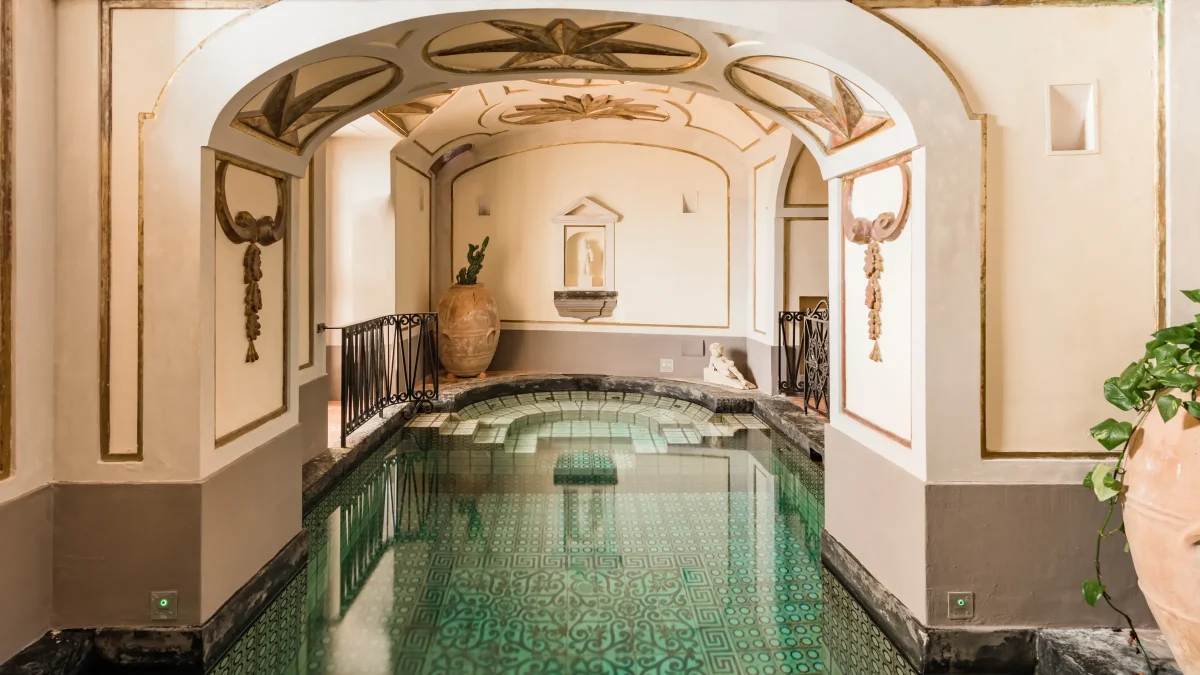
The integration of indoor wellness infrastructure has shifted from an optional indulgence to a definitive differentiator in competitive high-end property markets. As highlighted in recent architectural and lifestyle surveys published by architectural periodicals in late 2026, residences equipped with private indoor aquatic facilities secure stronger year-round engagement.
The Shift Toward Year-Round Wellness Infrastructure
In premier alpine retreats, coastal enclaves, and rural hideaways across North America and Europe, traditional outdoor seasonal amenities are increasingly viewed as insufficient by affluent buyers. Properties situated in variable climates—such as the Dolomites, Colorado, or Upstate New York—face distinct off-season occupancy drops unless interior spaces compensate for weather fluctuations.
Indoor pools and integrated spa suites solve this operational limitation by guaranteeing uninterrupted leisure capabilities regardless of external conditions. This capability transforms a conventional holiday home into a resilient, multi-seasonal asset capable of generating consistent utility throughout the calendar year.
Engineering Complexities and Capital Requirements
Integrating an indoor aquatic facility demands rigorous architectural planning and substantial upfront capital expenditure. Unlike standard residential extensions, an indoor pool room requires specialized heating, ventilation, and air conditioning systems to manage high humidity levels, prevent structural condensation, and maintain air quality.
Furthermore, the structural engineering must account for the immense dead load of standing water alongside acoustic isolation to prevent mechanical noise from traveling through the primary living quarters. Buyers evaluating such properties must commission specialized structural and mechanical surveys to verify that vapor barriers and drainage networks meet modern commercial-grade standards.
Impact on Asset Valuation and Rental Yields
For investors utilizing high-end properties as short-term rental assets, wellness amenities serve as a primary catalyst for premium nightly rates. Data across competitive luxury rental portfolios indicate that properties featuring specialized indoor hydrotherapy, saunas, and swimming pools achieve significantly higher average daily rates compared to comparable dry-interior residences in the same micro-market.
Beyond rental income, these features enhance long-term asset liquidity among ultra-high-net-worth buyers who prioritize health-centric residential design. However, owners must weigh the elevated operational expenditure—including chemical maintenance, continuous climate control, and periodic mechanical servicing—against projected gross yields to ensure net profitability remains optimized.
- Verify that indoor pool areas feature dedicated commercial-grade HVAC and humidity control systems to prevent long-term structural decay.
- Factor ongoing maintenance overheads, including continuous water treatment and climate regulation, into annual operating cost projections.
- Prioritize properties where acoustic engineering isolates pool mechanical noise from primary sleeping and reception quarters.
- Assess regional seasonal variations to determine whether an indoor aquatic asset genuinely improves annual rental yield potential.
- Commission specialist engineering surveys before acquiring properties with complex integrated wellness and hydrotherapy infrastructure.
Properties featuring comprehensive indoor wellness amenities occupy a distinct upper tier within the luxury real estate sector. While initial capital expenditure and ongoing operational overheads—such as specialized climate control and constant water maintenance—are notably higher than standard residential builds, these assets command a distinct competitive advantage. In premium rental markets, the presence of an indoor pool or private spa suite directly correlates with elevated average daily rates and reduced seasonal vacancy. For long-term investors, this translates into superior asset resilience, enhanced gross rental yields, and broader appeal among affluent buyers seeking turnkey health-focused retreats.
Related reads
The Best Airbnbs in Colorado, Including a Ski-In Chalet and a Cliffside Cabin (Condé Nast Traveler, 4 Nov 2026)
These Stylish Upstate New York Airbnbs Are Perfect for a Weekend Away from the City (Vogue, 10 Nov 2026)
The Best Airbnbs in the South of France for an Undeniably Picturesque Escape (Architectural Digest, 27 Oct 2026)
The Dolomites Airbnbs our editors are obsessing over in 2026 (CN Traveller, 16 Oct 2026)
Sources & credits
- Feature: 15 Airbnbs With Indoor Pools & Jacuzzis (2026): Top Summer Escapes — Architectural Digest. Linked, not reproduced.
- Main image: Architectural Digest, from the original feature linked above; all rights remain with the publisher and photographer.
- Headlines via Google News RSS; content belongs to the linked publishers.
Videos are embedded from their original YouTube channels and remain the property of their publishers; ClubProperty hosts no third-party footage or photography. Prices and details are as reported by the sources linked above at the time of writing. Nothing here is financial advice.
Σχετικά άρθρα
The High-Performance Real Estate Portfolio of Elite Athletes
Explore how professional athletes curate elite residences, from Devin Booker's desert oasis to Maria…
Διαβάστε περισσότεραCaribbean Rental Yields and the Luxury Vacation Market
An analysis of Caribbean luxury vacation rentals, prime island destinations, and what high-end nightly…
Διαβάστε περισσότεραIsland Valuations: What Global Rankings Mean for Property
Explore how global island rankings influence luxury property markets, tourism demand, and long-term asset…
Διαβάστε περισσότεραThe Economics of Maximalist Interiors and Resale Appeal
How to balance bold, high-end interior styling with long-term property liquidity, drawing lessons from…
Διαβάστε περισσότερα