





Designing a space for a newborn often results in temporary decor that requires a complete overhaul within a few years. Leading interior designers, alongside recent collaborations by figures such as Nate Berkus, are shifting toward sophisticated, adaptable children's rooms.
Prioritising Longevity Through Material and Tone
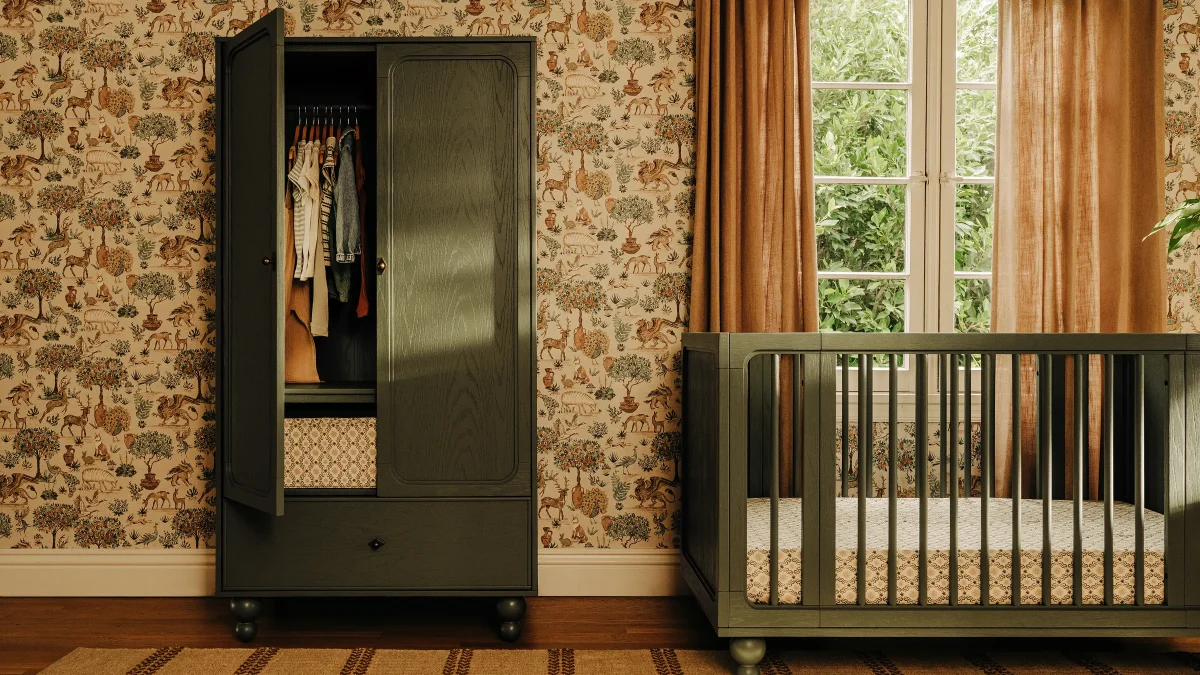
The key to a successful nursery design lies in avoiding hyper-specific themes that children quickly outgrow. Designers recommend anchoring the room with enduring materials, such as rich wood tones and textured natural finishes, which integrate effortlessly with the rest of a high-end residence.
Rather than relying on primary colours or fleeting motifs, sophisticated palettes utilise muted earth tones, soft neutrals, and layered textiles. This approach ensures the room matures alongside the child, requiring minimal structural updates as furniture needs evolve from cribs to standard beds.
Architectural Detail and Wallpaper Selection
Wallpaper remains one of the most effective tools for defining the character of a nursery. Opting for sophisticated botanicals, subtle geometric patterns, or hand-painted murals creates an engaging visual environment without feeling juvenile.
When paired with architectural elements such as wainscoting, crown moulding, or bespoke joinery, the walls provide a permanent sense of craftsmanship. These foundational layers elevate the room from a temporary nursery to an integral, design-forward space within the home.
Functional Furniture with Aesthetic Merit
Recent market developments, including designer collaborations by brands like Babyletto, highlight a growing demand for children’s furnishings that align with adult interior standards. Parents increasingly expect pieces that complement existing living spaces rather than disrupt them.
Investing in convertible furniture—such as dressers with removable changing toppers and cribs that transition into toddler beds—maximises utility. Selecting clean-lined, well-crafted furniture ensures these items retain their aesthetic appeal and structural integrity over multiple years of use.
- Choose warm wood tones and neutral palettes that adapt as the child grows.
- Incorporate sophisticated wallpaper to add character without relying on juvenile themes.
- Select convertible furniture pieces to extend the functional lifespan of the room.
- Treat the nursery as an extension of the home's overall interior design language.
- Prioritise natural, durable materials that withstand daily wear and tear.
For affluent homeowners and investors, maintaining a cohesive design language throughout every room of a property is essential for preserving long-term asset value. Nurseries that rely on bespoke joinery, high-end wall treatments, and adaptable furnishings rather than temporary gimmicks require less capital expenditure during future property resales. Buyers evaluating family homes look for flexible spaces that can easily be repurposed as guest bedrooms or studies, making architectural longevity a sound investment choice.
Related reads
Babyletto Launches Its First Designer Collaboration with Nate Berkus (PR Newswire, 1 Oct 2026)
Nate Berkus Made Kids’ Furniture Parents Will Actually Want in Their Homes—and It’s on Amazon (House Beautiful, 1 Oct 2026)
Nursery and Kids Brand Babyletto Chooses South Coast Collection for Entry Into Costa Mesa Marketplace (citybiz, 8 Sep 2026)
Babyletto Just Launched Its First Designer Collab, and Everything Is Gorgeous (AOL.com, 2 Oct 2026)
Sources & credits
- Feature: How to Style a Nursery, According to Nate Berkus and AD Pro Designers (2026) — Architectural Digest. Linked, not reproduced.
- Main image: Architectural Digest, from the original feature linked above; all rights remain with the publisher and photographer.
- Headlines via Google News RSS; content belongs to the linked publishers.
Videos are embedded from their original YouTube channels and remain the property of their publishers; ClubProperty hosts no third-party footage or photography. Prices and details are as reported by the sources linked above at the time of writing. Nothing here is financial advice.
Related Articles
100 Gold Street: A High‑Rise Vision for Lower Manhattan
The 100 Gold Street scheme proposes nearly 4,000 luxury apartments on a historic site…
Read moreDesai Chia Shapes Upstate New York Retreat Around Natural Light
Explore Chatham Residence by Desai Chia Architecture, an Upstate New York home featuring a…
Read moreThe Private Architecture and Design Choices of Supermodel Homes
Explore the distinct architectural styles, bespoke interiors, and global retreats favoured by the world's…
Read moreQuiet Luxury in County Clare: A Refined Irish Farmstay
Explore a refined County Clare farmstay spanning 70 acres, where slipcovered furniture and traditional…
Read more