




Historic Venetian palazzos continue to transition into ultra-luxury hospitality destinations, reshaping the lagoon's premium sector. This high-end investment wave directly influences prime residential values across the historic sestieri.
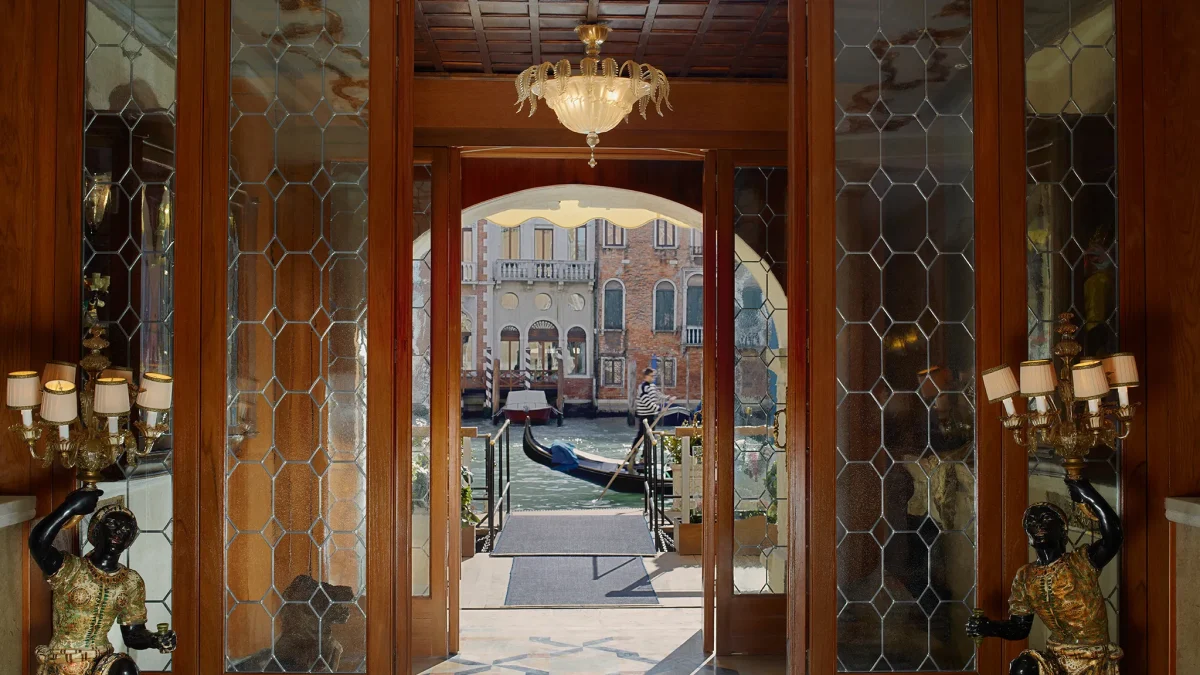
The Architectural Legacy of Venetian Conversions
Venice possesses a building stock unlike any other urban market globally. Centuries-old palazzos, originally constructed by merchant nobility along the Grand Canal and minor rii, present unique engineering challenges and architectural preservation mandates. Transforming these Byzantine, Gothic, and Renaissance structures into five-star hotels requires meticulous craftsmanship, often overseen by regional heritage bodies such as the Superintendency of Archaeology, Fine Arts, and Landscape.
Recent additions to the lagoon’s luxury portfolio, including the anticipated Orient Express Venezia, underscore a broader trend where international hospitality groups acquire monumental properties. These projects rely heavily on restoring terrazzo flooring, silk wall coverings, and original wooden beamed ceilings, setting a benchmark for high-end interior restoration that ripples outward into private residential renovations.
Hospitality Benchmarks Across the Sestieri
The distribution of luxury stays spans from the bustling thoroughfares near San Marco to the quieter, residential quarters of Dorsoduro and Cannaregio. Grand dame properties command nightly rates that easily scale into thousands of euros during peak seasons, particularly during the Venice Biennale and the annual Film Festival. This tier of hospitality attracts an affluent international clientele accustomed to private water taxi arrivals, bespoke butler service, and Michelin-starred dining within historic courtyard settings.
Such high-tariff accommodations do more than cater to transient tourism; they establish a pricing floor for the immediate micro-location. When a newly restored palazzo successfully commands premium nightly rates, adjacent residential properties invariably see heightened investor interest and upward valuation pressure.
Real Estate Dynamics in the Lagoon
Acquiring prime real estate in Venice is constrained by geography, strict preservation laws, and a finite supply of freestanding palazzos. Unlike mainland European cities, every kilogram of building material must be transported by canal boat, elevating logistics and renovation costs significantly above standard continental benchmarks. Consequently, turnkey properties with elevator access, private gardens, and restored canal facades trade at substantial premiums.
Buyers in the Venetian market are typically international investors seeking trophy assets rather than standard rental yields. While short-term rental regulations remain tightly monitored, the prestige of owning a piece of Venetian architectural history continues to drive robust demand for properties capable of matching the aesthetic standards set by the city’s leading hotels.
- Historic restoration in Venice requires navigating stringent oversight from regional heritage and fine arts authorities.
- Logistics by water significantly increase renovation and construction costs compared to mainland European counterparts.
- Flagship hotel openings by luxury brands often elevate perceived values for surrounding residential micro-markets.
- Trophy asset acquisition in Venice is driven by architectural prestige and capital preservation rather than high rental yields.
- Properties featuring rare amenities like private gardens or direct canal access command the steepest premiums.
The Venetian property market operates within strict physical boundaries, ensuring long-term capital preservation for prime assets. Prime historic apartments and palazzos along the Grand Canal rarely trade below €10,000 per square metre, with exceptional restored properties fetching significantly higher sums. While bureaucratic hurdles and high restoration overheads deter casual investors, ultra-high-net-worth buyers view Venice as an irreplaceable trophy asset class. The continuous influx of world-class hotel brands reinforces the city's status as a premier luxury destination, supporting robust underlying values for well-maintained residential stock across all six sestieri.
Related reads
Orient Express Venezia, Italy (Condé Nast Traveler, 2 Oct 2026)
Where to go on holiday in December: 37 top destinations (CN Traveller, 21 Sep 2026)
Wine, canapés, prizes and river cruise deals – come to our ‘ask the experts’ evenings in Melbourne and Sydney (Cruise Passenger, 13 Aug 2026)
Sources & credits
- Feature: 15 Dreamy Hotels in Venice to Book for Your Next Italian Getaway — Condé Nast Traveler. Linked, not reproduced.
- Main image: Condé Nast Traveler, from the original feature linked above; all rights remain with the publisher and photographer.
- Headlines via Google News RSS; content belongs to the linked publishers.
Videos are embedded from their original YouTube channels and remain the property of their publishers; ClubProperty hosts no third-party footage or photography. Prices and details are as reported by the sources linked above at the time of writing. Nothing here is financial advice.
Related Articles
Who lives in Monaco? The 2026 guide to the world’s most famous neighbourhood
Who Lives in Monaco? The 2026 Guide to Its Famous Residents — ClubProperty Photo:…
Read moreDesai Chia Shapes Upstate New York Retreat Around Natural Light
Explore Chatham Residence by Desai Chia Architecture, an Upstate New York home featuring a…
Read moreAndros: The Quiet Greek Island Capturing High-End Buyers
Discover the understated Greek island of Andros, where hilltop hideaways and private beaches offer…
Read moreThe Private Architecture and Design Choices of Supermodel Homes
Explore the distinct architectural styles, bespoke interiors, and global retreats favoured by the world's…
Read more